Inside Hasbro’s Plan To Expand D&D, Transformers & Clue
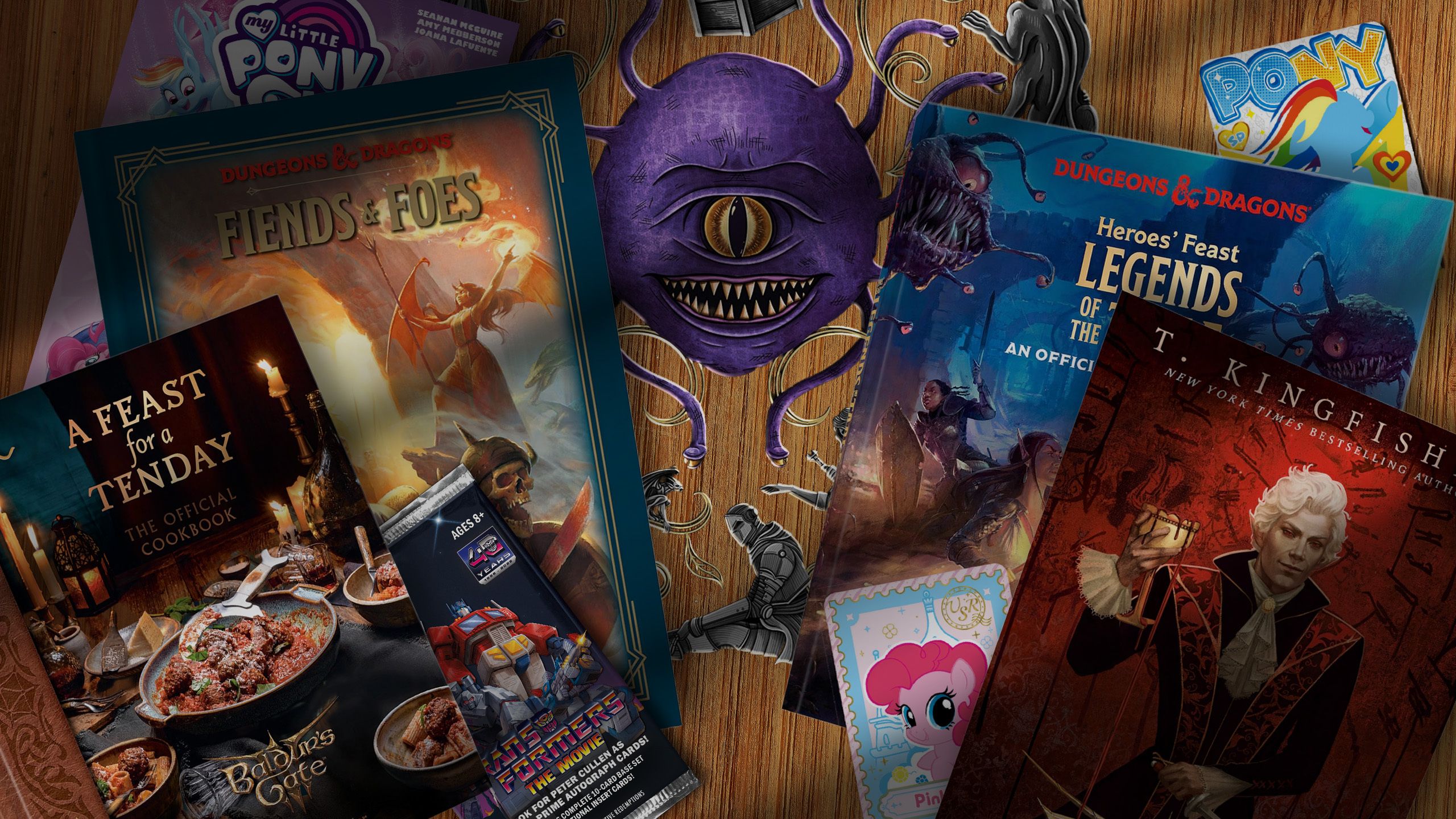
Hasbro's biggest and most beloved franchises were born in completely different places. Dungeons & Dragons began on the tabletop. Clue became one of the world's most recognizable board games. Transformers grew from toys into decades of animation, comics, movies and games.
Hasbro has spent decades expanding its biggest brands beyond toys and games through film, television and video games. Now, books, comics, trading cards, collectibles and audio are becoming a bigger part of that strategy. Their goal is to give existing fans more ways to engage with those franchises while creating new entry points for people who may never have touched the original toy or game.
When I interviewed Marianne James, Senior Vice President of Global Licensing at Hasbro, one of the more interesting parts of the conversation was where Hasbro draws the line. The company wants its brands to reach new audiences and new formats, but as James put it, “more isn’t automatically better.”

"Fans today don’t experience their favorite brands in just one place, and we don’t think about our franchises that way either. Someone might discover a character through a game, spend more time with that world through a book or comic, and then express their fandom through something they collect, wear or display."
"We’re not interested in being everywhere simply for the sake of being everywhere," James adds, explaining that for Hasbro, that doesn't mean putting every brand into every available category. "The right opportunity should give fans something they couldn’t get from the brand before."
We’re not interested in being everywhere simply for the sake of being everywhere
ScreenRant can exclusively reveal two of Hasbro's latest moves. First, Hasbro is working with Little Bee Books and its BuzzPop imprint on original fiction series based on Clue and Ouija. The agreement covers two four-book series scheduled between summer 2027 and spring 2028.
Clue: Junior Mysteries will be a chapter book series for readers ages 6 to 9 and Ouija will become a paranormal middle-grade horror series aimed at readers ages 9 to 12.
ScreenRant can also exclusively reveal the My Little Pony x Kayou Special Mini Card Collection Series 1. The collectible cards are approximately half the size of a regular trading card and will launch in the U.S. in January 2027 and across Europe, the Middle East and Africa in February 2027.


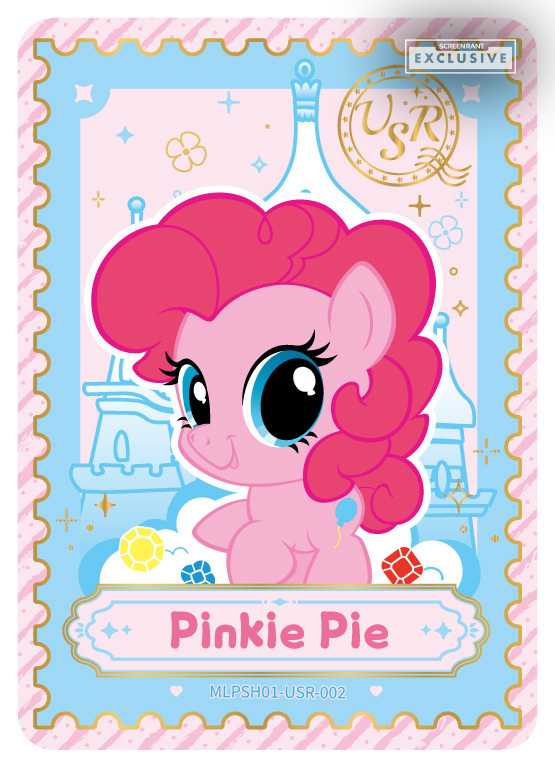
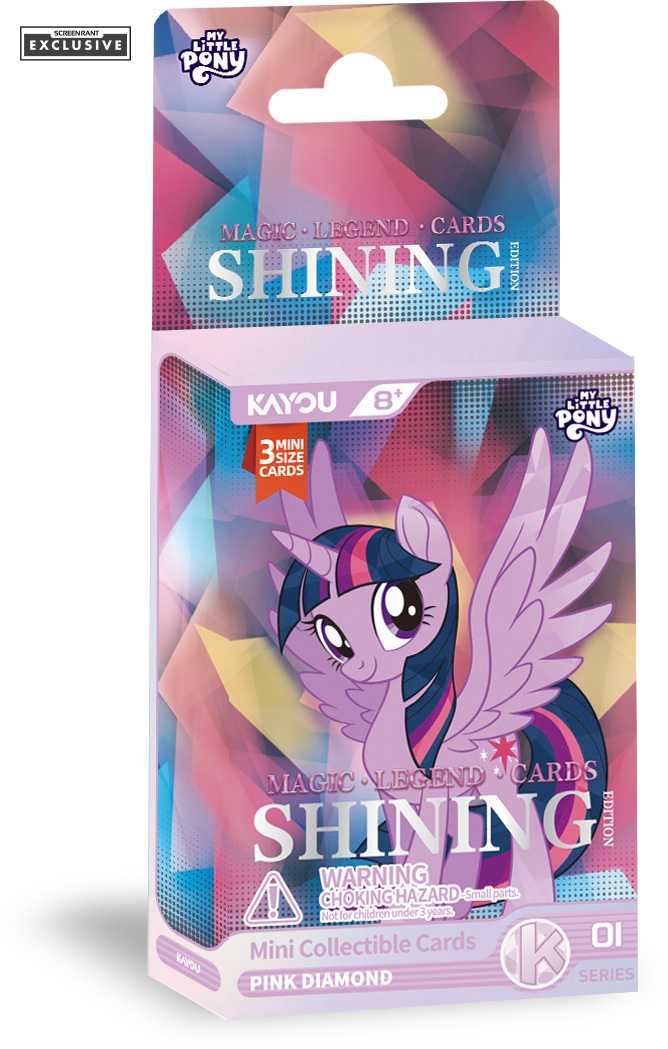
These two upcoming releases come as Hasbro pushes further into publishing, collectibles and audio across its portfolio. Dungeons & Dragons has a new slate of books tied to both the larger franchise and Baldur's Gate 3. Upper Deck is producing premium cards and collectibles based on Transformers, Power Rangers, G.I. Joe, M.A.S.K. and Jem and the Holograms. Hasbro Games is expanding its Tonies audio lineup, while My Little Pony has new comics and trading card products on the way.
Why Hasbro's Franchises Are Moving Into Even More Formats
Part of what is driving Hasbro's expansion is a change in how fans discover and stay connected to the franchises they love. A property no longer has to be experienced primarily through the toy, game or format that first made it popular.
"Fandom has become much more fluid," James says. "Fans don’t experience brands in silos anymore. The lines between entertainment, gaming, publishing, collecting and lifestyle are increasingly blurred, and fans move between those spaces very naturally."
A fan can come to Dungeons & Dragons through Baldur's Gate 3 without having played the tabletop game. Someone who grew up watching Transformers like myself may now follow the franchise through Skybound's comics. A child could soon meet the characters and mystery of Clue through a book before ever sitting down with the classic board game.
"At the same time, there isn’t one universal fan journey. Someone may have grown up with a brand and want to reconnect with it in a completely different way as an adult, while another fan may discover that same world for the first time through a comic, book or collectible. What’s important is that those experiences all feel authentic to what people love about the franchise."
Adults are also a much more prominent part of the toy and collectibles business. LEGO markets a seemingly endless range specifically to adults, including complex builds, display pieces and collector-focused sets based on franchises like Star Wars, Marvel, Star Trek, and other entertainment properties at premium pricing. Sideshow has spent decades serving collectors with licensed statues, figures, replicas, art and other premium products based on franchises including Star Wars, Marvel and DC.
For companies that own decades-old entertainment and toy brands, that means the audience does not necessarily age out of a franchise. The way they spend money on it can certainly change instead.
"Adult fans and collectors are absolutely an important part of the audience for many of our franchises," James says. "What I think is particularly exciting is the range of ways adults engage. For some, there’s a nostalgic connection to something they grew up with as a child. For others, it’s the storytelling, the artistry, the gaming community or simply the thrill of collecting."
Hasbro is trying to serve those different interests through everything from premium trading cards and collectibles to Dungeons & Dragons fiction and cookbooks.
"At Hasbro, we know fandom doesn’t have an age limit," James says. "The opportunity is to respect that passion and keep finding experiences that give fans a meaningful reason to stay connected."
Reaching those fans in more places creates another challenge for Hasbro though since each new format still has to feel like it belongs to the franchise.
How Hasbro Decides Where Each Franchise Goes Next

Having more places to take a franchise doesn't mean every Hasbro property is headed toward the same mix of books, comics, cards, collectibles or other products with the same partners. What works for Dungeons & Dragons may not make sense for Clue, and the opportunities Hasbro sees for My Little Pony are likely wholly different.
When Hasbro is deciding what a franchise should expand into next, James tells me that it starts with what fans already love about that property, rather than picking a format first and trying to force the brand into it.
"It always starts with the brand," James says. "We look at what fans love most about a franchise and then ask which format can best expand that experience in an authentic way."
That can send Hasbro in all sorts of different directions. Clue and Ouija have qualities that lend themselves to original fiction. Dungeons & Dragons has decades of characters, settings and worldbuilding that can support everything from novels and encyclopedias to cookbooks and art-driven publishing. With My Little Pony, Hasbro sees opportunities in comics and collectibles built around its characters, stories and artwork.
"The common thread is finding the right format for each franchise rather than taking a one-size-fits-all approach," James explains.
The new Clue and Ouija books offer a good example because neither property began as a conventional fiction franchise.
With Clue, many of the pieces are already there from its recognizable characters, familiar setting, mystery and the question at the center of every game. It worked well for the 1985 Clue movie starring Tim Curry.
"Both already invite your imagination to fill in the blanks, just in very different ways. Clue naturally gives you all these wonderful ingredients for a mystery: characters, a setting, intrigue and, of course, the question of what really happened. Clue: Junior Mysteries gives younger readers the opportunity to follow those clues through original stories."
Ouija gives Little Bee and BuzzPop different ingredients to work with, so to speak. James points to its longstanding connection to "mystery and the unknown" as a natural fit for paranormal storytelling.
"What I love about both is that we aren’t forcing storytelling onto the brands," James says. "We’re drawing it out of something that was already there."
We’re drawing it out of something that was already there.
The new Clue book series gives Hasbro a chance to do more with the Clue brand without moving away from what people already know it for.
"Take Clue. It will always have the game at its heart, and that heritage is part of what makes the brand so enduring," James says. "However, when you look beyond the board, you also see compelling characters, mystery, suspense, and a concept that resonates across different forms of storytelling and entertainment."
"The game remains the foundation, but we increasingly see brands like Clue as franchises that can engage fans across multiple categories while staying true to what made them successful in the first place," she says.
Dungeons & Dragons Shows What Hasbro’s Expansion Strategy Can Look Like

Of all the brands James discussed, Dungeons & Dragons is probably the easiest to see as a fully developed version of this strategy. It already exists across tabletop gaming, video games, publishing and screen entertainment, and Hasbro is still finding new ways for fans to spend time with its characters and world.
Its current publishing slate alone covers everything from novels and lore books to cookbooks and coloring books. A Feast for a Tenday (Baldur's Gate 3): The Official Cookbook includes 65 recipes inspired by the game, while T. Kingfisher's Baldur's Gate 3: Astarion novel follows Astarion before the events of Baldur's Gate 3 as he fights to escape Cazador Szarr.
The D&D Encyclopedia goes in another direction, covering settings, heroes, villains, monsters, magical items and locations from across the game's history. D&D Fiends & Foes: Beasts, Villains, and Monstrosities from Across the Planes focuses on villains, anti-heroes and monsters, while the D&D Pop Manga Coloring Book gives fans another way to engage with its characters and creatures.
"Dungeons & Dragons is a wonderful example of what can happen when a world is rich enough to support many different kinds of participation," James says.
"What’s interesting is that those experiences don’t all ask fans to engage in the same way. You can explore the lore through an encyclopedia, spend more time with a character like Astarion through a novel, bring the world to your dinner table through a cookbook, or engage with its characters and creatures creatively through a coloring book."
"I wouldn’t say every franchise should look like Dungeons & Dragons because every brand has its own strengths," James says, reiterating that not every Hasbro franchise needs to follow the same path. "The idea of an ecosystem where different experiences can complement one another and give fans more ways into a world is certainly something we think about."
Film and television are of course a major part of that mix too, rather than something Hasbro views separately from books, games or collectibles.
"Film and television can be powerful ways to reach audiences, but we think about our brands as franchise ecosystems," James says. "Different formats create different opportunities to engage fans, whether that's through a game, a book, a collectible, or a screen experience."
"The most exciting part is when those experiences work together to deepen someone's connection to the brand," she adds.
How Hasbro Learns What Fans Want More Of
One question I had going into the interview was whether smaller projects in publishing, comics or collectibles could effectively test interest before Hasbro makes a much larger investment in a property or character. James pushed back on the idea that these projects are simply tests for something bigger, saying she would think about it "less as 'testing' and more as learning."
"Every new expression of a franchise can teach us something about what audiences are connecting with, whether that’s a particular character, story, aesthetic or kind of experience."
For Hasbro, the individual project still has to work on its own. James says the first priority is creating something compelling for the audience it is meant for, rather than treating a book, comic or collectible as a stepping stone to something else.
"We want each experience to have a reason to exist on its own. If that also helps us better understand what fans are responding to and where they want to spend more time, of course we pay attention to that."
Skybound's Energon Universe gives Hasbro a strong recent example. The interconnected comic universe brings Transformers and G.I. Joe together through a shared line of stories, and according to figures provided by Hasbro, it has now sold more than 7.6 million units. Transformers accounts for 3.5 million units, representing roughly 47 percent of the total.
"Success like that shows the power of pairing iconic franchises with strong creative vision," James says.
James stops short of describing books, comics and collectibles as auditions for larger projects. What they can do is give Hasbro more information about which characters, stories and types of experiences are connecting with fans, and that can help shape what the company chooses to build on next.
How Far Can A Hasbro Brand Stretch?
Expanding into more formats also creates a risk for Hasbro since the further a franchise moves from the original version people first knew it for, the more important it becomes to know which parts of that identity cannot change.
"Before extending a franchise, you have to understand what’s fundamental to it. What can evolve, and what can’t you lose?" James says.
or My Little Pony, James points to friendship, creativity and self-expression as enduring parts of the brand. With Clue, it is mystery, deduction and the sense that anyone or anything could hold an important clue. Those core ideas give Hasbro and its partners room to try something new without losing the qualities fans already associate with the franchise.
"The goal isn’t to keep a franchise frozen in time," James says. "It’s to let it evolve without losing what made people care about it in the first place."
What can evolve, and what can’t you lose?
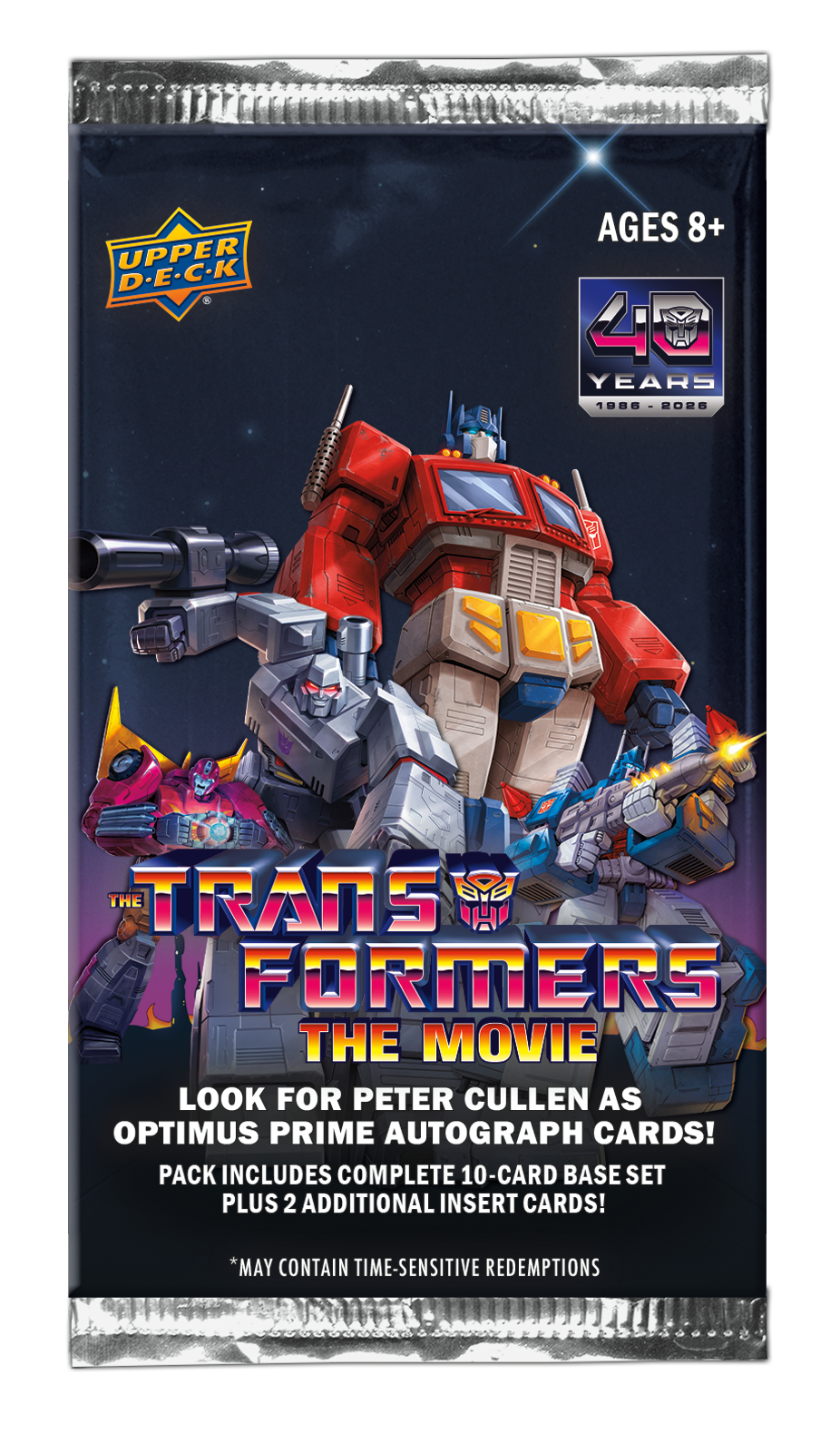
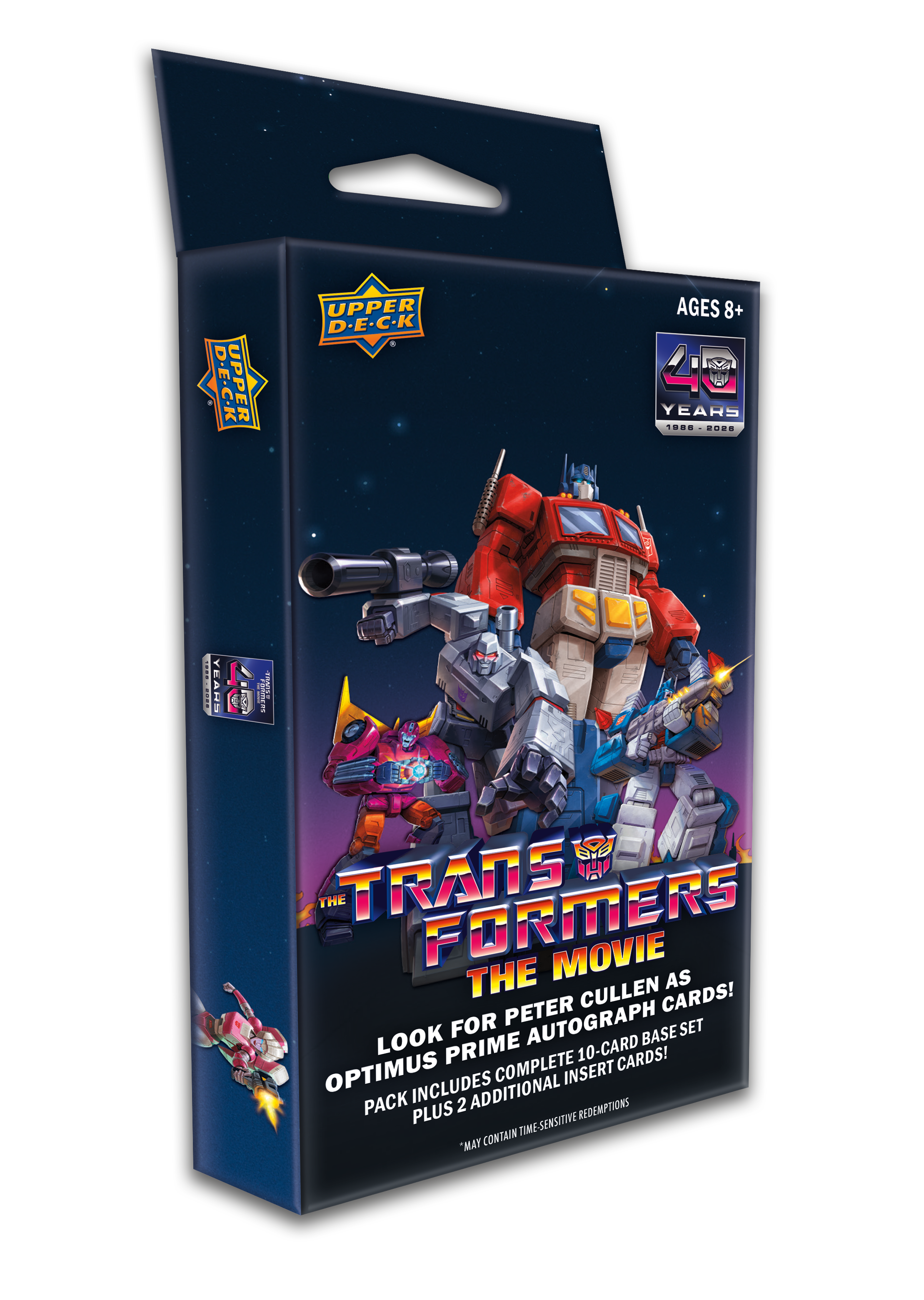
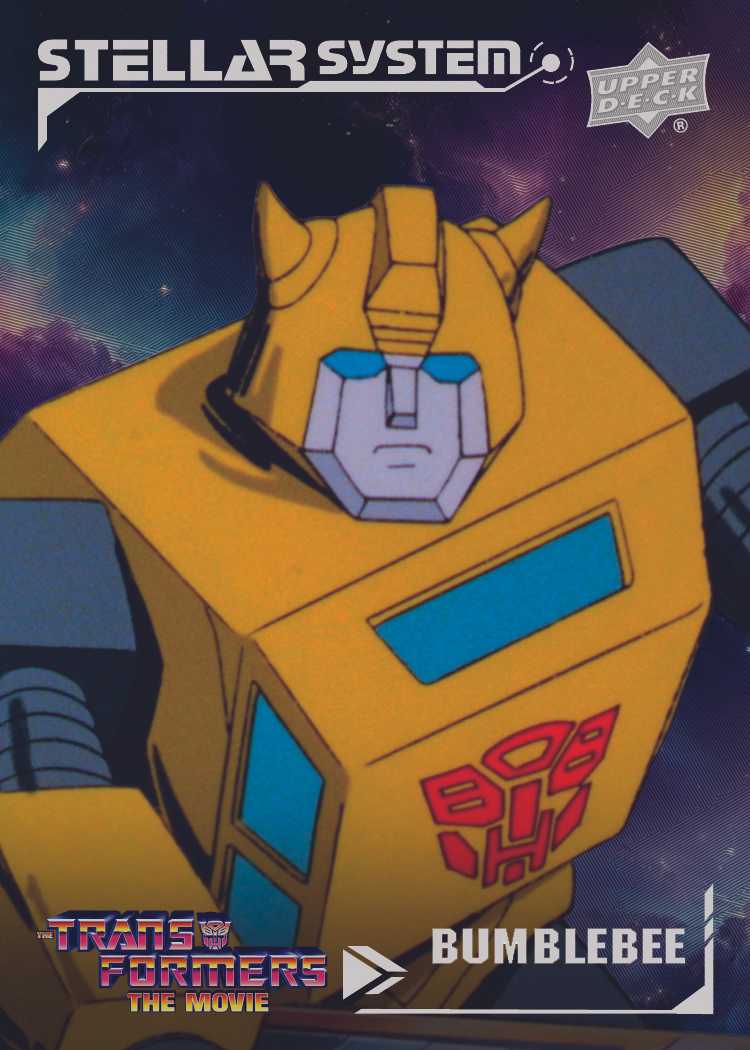
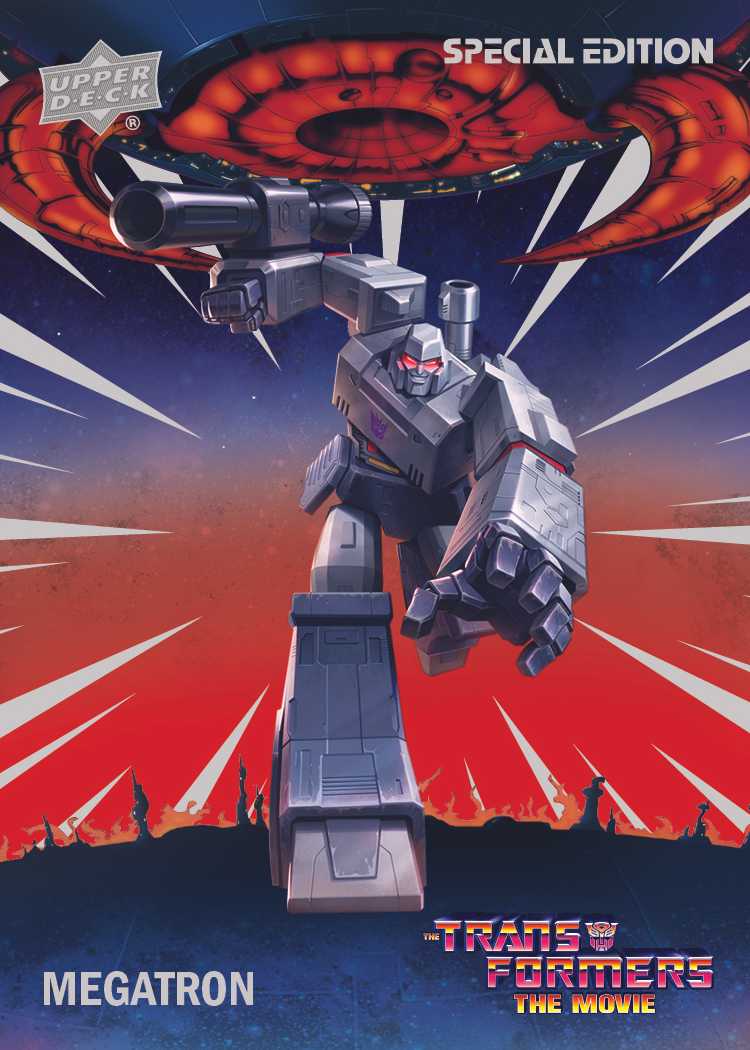
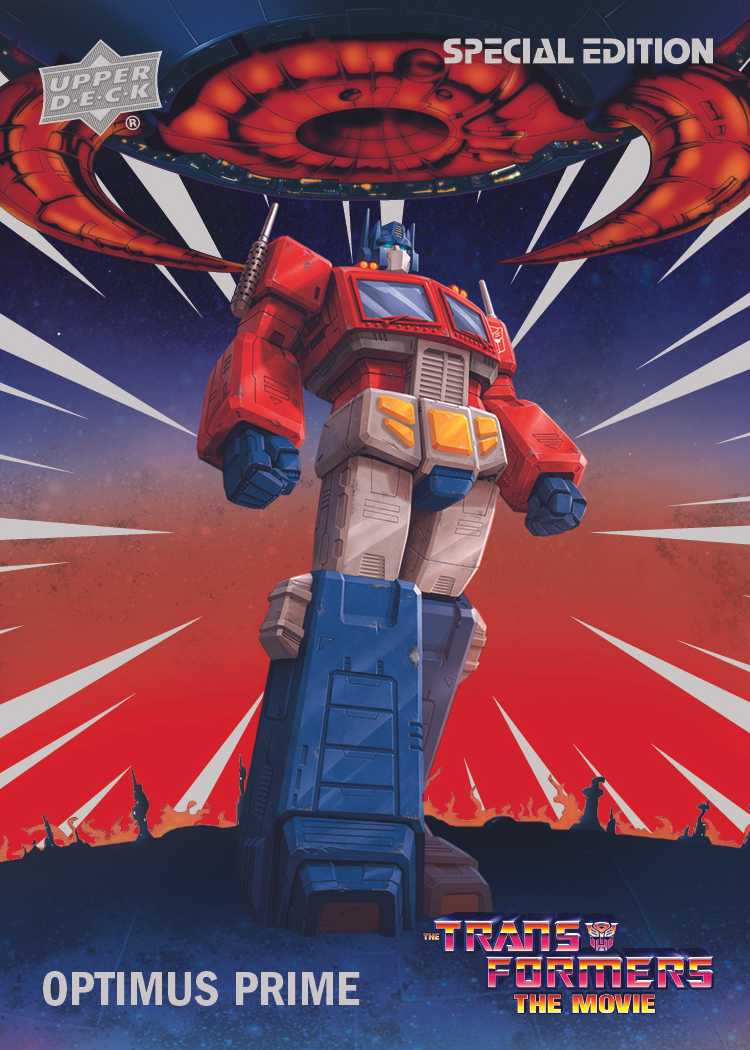
Upper Deck's agreement covers Transformers, Power Rangers, G.I. Joe, M.A.S.K. and Jem and the Holograms across premium trading cards and collectibles, beginning with a collection celebrating the 40th anniversary of The Transformers: The Movie.
Hasbro Games has gone in a very different direction with Tonies, adapting Monopoly, Guess Who? and The Game of Life into interactive audio experiences, with two more Hasbro games joining the lineup in 2027. James points to those products as an example of adding something to a familiar brand without trying to replace the original experience.
"Monopoly, Guess Who? and The Game of Life are incredibly familiar games, but Tonies has translated the spirit of those brands into interactive audio experiences for families. It doesn’t replace what people already love about the games. It gives them another way to experience those brands."
Hasbro's growth through these sorts of new market expansions, or working with partners, only works if the brand still feels like the thing fans cared about in the first place.
Hasbro Is Relying On Partners To Take Its Franchises Somewhere New

Hasbro is using licensing partners to bring its franchises into categories where those companies already have deep experience and established audiences. That gives each project a better chance to feel native to the format rather than simply carrying a familiar brand name into a new, sometimes unusual, space. James calls those outside partners "critical" to the Hasbro strategy.
"Outside partners are critical because they bring expertise, creative perspectives, and audiences we may not reach on our own. Whether it's publishing, comics, collectibles, or specialty formats, great partners can explore different facets of a brand and create experiences that feel authentic to their communities."
The partners Hasbro is working with vary considerably depending on the franchise and format. Upper Deck brings decades of experience in trading cards and collectibles. Ten Speed Press has worked with Dungeons & Dragons across cookbooks and other lifestyle publishing, while BOOM! Studios is bringing My Little Pony back into serialized comics. Tonies has taken familiar Hasbro board games and turned them into interactive audio experiences.
"The best collaborations don't just extend a franchise, they expand it," James says. "They help us engage existing fans in new ways, reach new audiences, and uncover fresh opportunities for the brand to grow."
The best collaborations don't just extend a franchise, they expand it.
James says the strongest partnerships come from companies bringing their own expertise and perspective to the franchise.
"The most successful collaborations are those where a partner applies its unique expertise to a franchise in a way that feels both authentic and unexpected," James says. "Those fresh perspectives help us extend our brands into new categories, reach new audiences, and continually evolve the fan experience."
Hasbro Doesn't Want Its Brands Defined By Where They Started
Near the end of the interview, I asked James whether labels like "toy brand," "game brand" and "entertainment brand" still matter as much when Hasbro's franchises now move so freely between those categories.
"I think those distinctions matter less and less," she says. "People don’t connect with franchises because they started as a toy, game, or TV show. They connect with great characters, compelling worlds, and memorable experiences."
For James, where a brand started still matters, but it clearly doesn't determine or define how fans can experience it years or decades later. Each IP that has an audience and interest is essentially a launchpad to other opportunities.
"The origin story of a brand will always be important, but today’s audiences expect to engage with their favorite franchises in multiple ways. Our job is to stay true to what makes each brand special while creating more opportunities for fans to be part of it."
That also gets to the larger idea behind Hasbro's expansion into publishing, collectibles, audio and other formats.
"The strongest franchises aren’t defined by a category, they're defined by the connections they create."
KioskNews shows a cleaned-up reading view extracted from the publisher’s page — the original always lives on their site, not ours.