In South Korea, Lee’s overseas trips fuel familiar battle over presidential perks
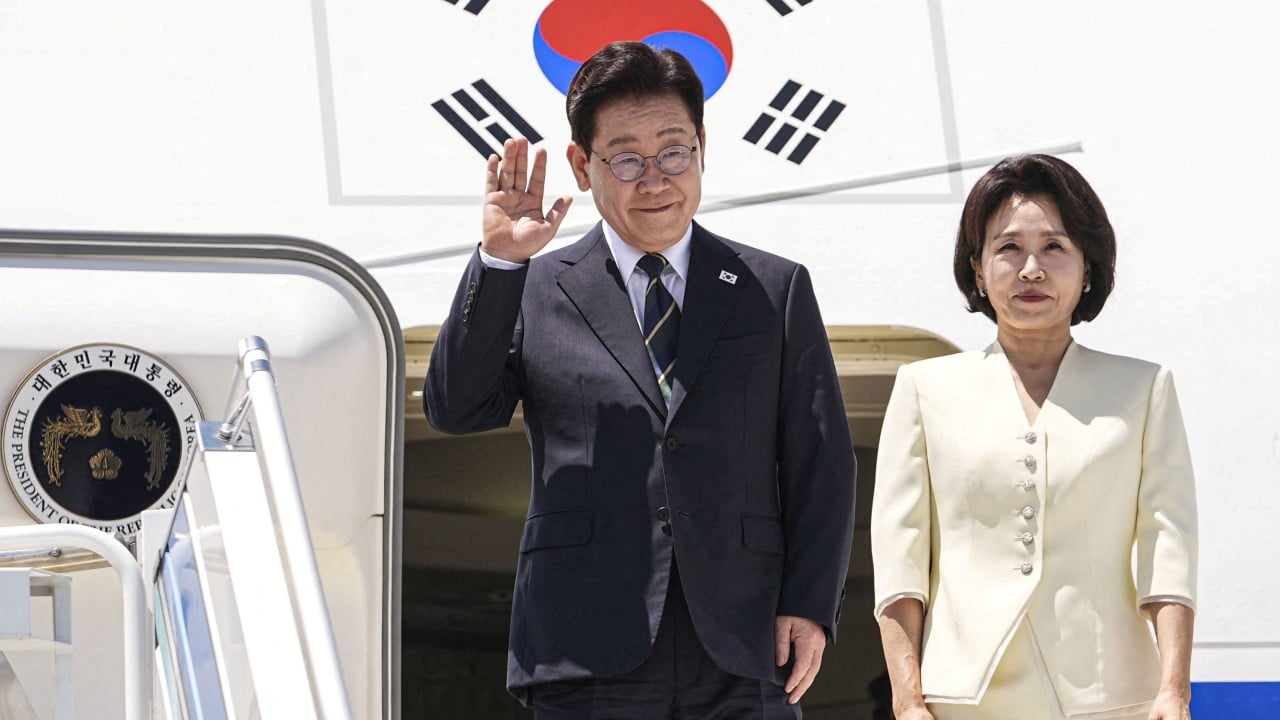
President Lee Jae Myung’s overseas trips have again drawn attention to South Korea’s shifting political standards, adding to a familiar cycle of disputes over presidential golf and the presidential plane whenever power passes between conservative and liberal administrations.
The controversies centre on taxpayer money and the public’s attitudes towards presidential privilege, with governing parties defending certain activities as necessary for diplomacy or official duties and the opposition calling them wasteful or excessive – arguments that often switch sides under successive administrations.
In the latest controversy, National Security Adviser Wi Sung-lac on Friday defended the frequency of Lee’s overseas trips accompanied by First Lady Kim Hea-kyung.
“Korea’s international standing requires its president to attend regular multilateral gatherings and bilateral visits,” Wi said. “Spouses also accompany leaders as an established diplomatic practice.”
Wi’s defence followed an October 1 analysis by Lee Jin-sook of the main opposition People Power Party (PPP). It counted 14 trips covering 23 countries in Lee’s first 484 days in office, which was more frequent than his two predecessors – conservative Yoon Suk-yeol and liberal Moon Jae-in – over the same period. Yoon was president from May 2022 to April 2025 and Moon from May 2017 to May 2022.
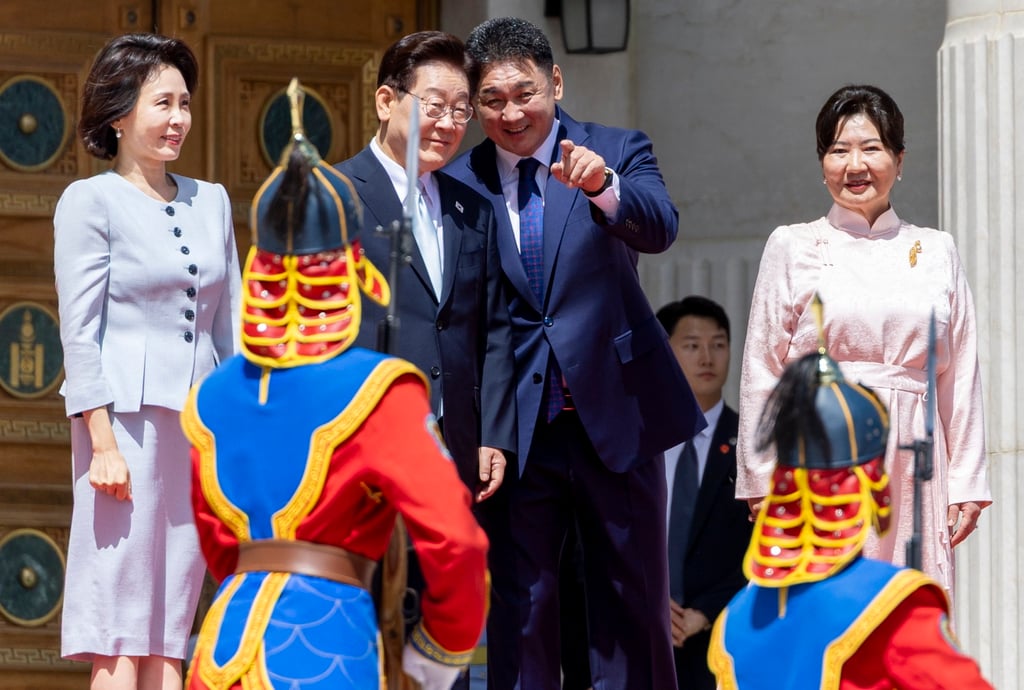
At a parliamentary audit, fellow PPP member Kim Seung-su cited economic hardship in criticising the frequency of the president’s travel and separately questioned the first lady’s accompaniment.
Lee responded on social media on Saturday by stressing his demanding schedules and diplomatic results, saying “pigs see only pigs” in rejecting suggestions of tourism.
The PPP countered on Sunday by questioning the president’s achievements. In particular, the party recalled that the ruling Democratic Party of Korea (DPK) had condemned Yoon’s travel spending as wasteful and his use of contingency funds as undermining parliamentary budget oversight.
The reversal was evident in November 2023, when DPK’s Hong Ki-won contrasted Yoon’s overseas travel budget with cuts to spending on people’s livelihoods. Then prime minister Han Duck-soo rejected the suggestion of waste, while PPP lawmakers defended diplomacy-related expenditures.
Golf has followed a similar pattern. In November 2024, the DPK dismissed explanations that Yoon was practising golf to prepare for diplomacy with US President Donald Trump following his re-election. The party urged Yoon to visit people struggling economically instead.
With Lee preparing for a possible round of golf with Trump on the occasion of the US-hosted G20 summit in Miami in December, the PPP questioned why preparations ridiculed under Yoon were now justified as diplomacy.
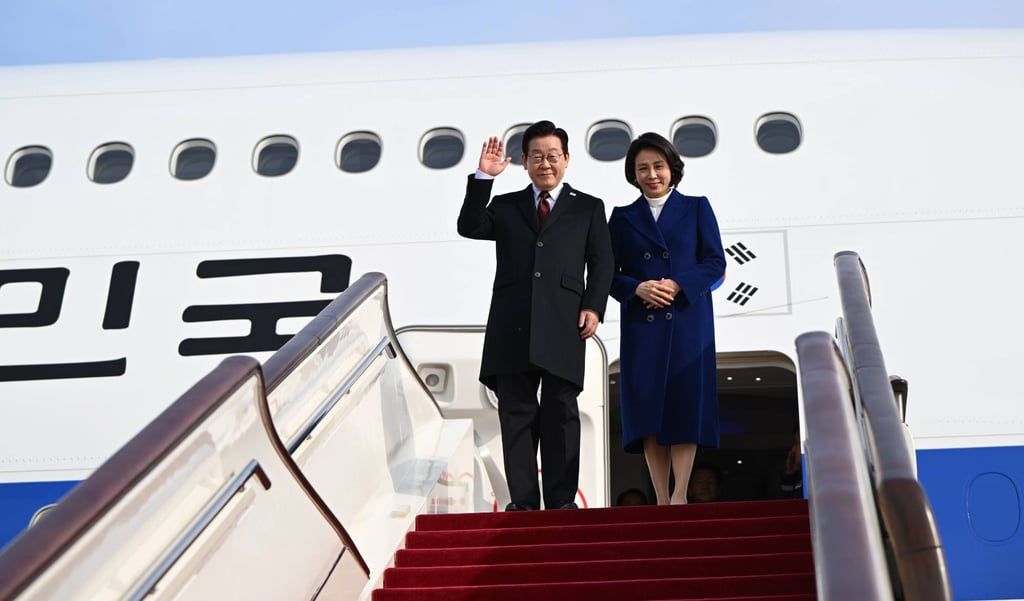
Disputes over the presidential plane, known as Code One, stretch back further, with the need to replace ageing planes and upgrade on board facilities.
The conservative Grand National Party, a predecessor of the PPP, opposed a proposal to buy a new jet under president Roh Moo-hyun in 2006, citing the needs of impoverished households. When Roh’s conservative successor, Lee Myung-bak, pursued a purchase in 2008, it stirred objections from the main opposition Democratic Party, a predecessor of the DPK.
Under Moon in 2018, DPK lawmakers argued that buying a new plane could improve safety and reduce long-term costs compared with leasing. The government ultimately continued leasing, and the Boeing 747-8i introduced in January 2022 subsequently served Yoon and remains in use under Lee.
“The Code One lease shows how investments made by one administration can serve several successors. Nevertheless, parties often oppose such spending for political advantage rather than assess its long-term value,” a political commentator said on condition of anonymity.
KioskNews shows a cleaned-up reading view extracted from the publisher’s page — the original always lives on their site, not ours.