More than 57,000 granted UK permanent residence via BN(O) route in year to September

More than 57,000 arrivals from Hong Kong became permanent residents in the United Kingdom in the 12 months to September 2026 under the bespoke BN(O) immigration pathway launched five years ago, with Hong Kong ranking second behind India in the number of UK settlement grants during the period.
According to the UK Home Office, 57,040 people were granted permanent residence via the BN(O) route in the 12 months to September 30, 2026.
This was up from just 637 BN(O) grants in the preceding 12 months and represented almost a quarter of all permanent residencies granted during the period.
Introduced in 2021, the BN(O) route allows applicants and their dependents to live, work and study in the United Kingdom for up to five years.
After living in the UK for five years, BN(O) visa holders can apply to stay permanently under “indefinite leave to remain”, which gives them the right to live, work or study in the UK permanently and to apply for government benefits. They can then apply for British citizenship one year after being granted leave to remain.
“The route has now reached the point where many of the earliest cohorts have completed the five-year qualifying period of continuous residence required for settlement in the UK,” the UK Home Office said.
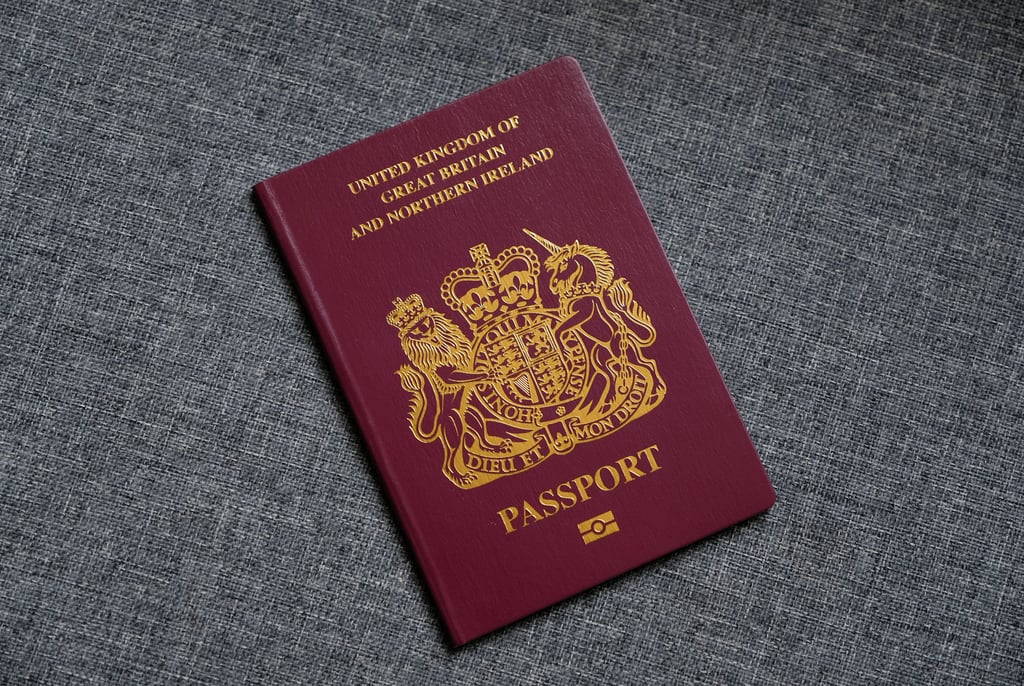
Settlement grants to people recorded by the Home Office as being from Hong Kong, including some who arrived via the BN(O) route, also increased substantially, rising from 760 in the year ending September 2025 to 31,703 in the following 12 months – the second largest group after the 44,793 Indian passport holders granted settlement during the period.
Settlement grants to people recorded by the Home Office as being from mainland China also increased, rising from 5,506 to 31,042. This also included some people who settled via the BN(O) route.
“These increases reflected that BN(O) visa holders completed the qualifying period of continuous residence required for settlement,” it added.
The Home Office also said that the number of applications for BN(O) visas continued to decline.
“BN(O) out-of-country visas peaked in the year ending March 2022, with 86,439 granted, soon after the scheme opened. BN(O) visa grants have decreased each year since. There were 5,146 grants of BN(O) visas in the year ending September 2026, bringing the total number of grants to 189,347 since the scheme opened,” it said.
The BN(O) scheme was introduced in response to Beijing’s imposition of the national security law on Hong Kong in 2020. The legislation, which prohibits acts of secession, subversion, terrorism and collusion with foreign forces, followed months of anti-government protests in 2019.
KioskNews shows a cleaned-up reading view extracted from the publisher’s page — the original always lives on their site, not ours.