The Fitbit Air Is Getting an Upgrade

Google is all about freshness for fall. In addition to announcing the new Fitbit Edge on Monday, the company also has three new features coming to its Fitbit Air, first released in May.
1. Health Guardian
There’s Health Guardian, Google’s proactive health and safety tools, available in the Google Health app. It works in the background to monitor your body’s health and wellness signals, provides a monthly summary of your health indicators and trends and sends timely notifications for anything that requires your immediate attention.
Health Guardian features
In the free Google Health app, Health Guardian includes irregular heart rhythm notifications and high and low heart rate notifications. With the Pixel Watch 3 and up, you also get loss-of-pulse notifications.
In the Premium version, which costs $10 monthly or $100 yearly, you can access these newer features: insulin resistance levels, blood pressure trends and sleep breathing quality trends. They work with the Pixel Watch 3 and up and the Fitbit Air.
Health Guardian will also come to the new Fitbit Edge, though we don’t have a specific date yet.

Insulin resistance
Insulin resistance refers to when your body doesn’t respond to insulin the way it should. Produced by your pancreas, insulin regulates your body’s glucose levels, moving glucose from your blood into your cells so that it can be used for energy.
Google Health’s insulin resistance doesn’t rely on readings from a continuous glucose monitor or lab work. Instead, it uses sensors on the Pixel Watch 3 and up and Fitbit Air to estimate insulin resistance and monitor shifts in your metabolic health.
Specifically, heart rhythm, sleep quality and daily activity data are tracked to give a user an idea of how efficiently their body absorbs energy from food and manages that energy during their activities.
Note that insulin resistance isn’t intended to monitor real-time glucose levels, and it isn’t a prescreener for diabetes or diabetes management.
Blood pressure
Blood pressure trends rely on optical and movement sensors, pulse and motion patterns and WavesFM, Google’s own AI foundation model, to measure your pulse’s shape and speed beneath your skin. This lets it estimate blood pressure over a month and give you a summary of your heart patterns.
However, blood pressure trends aren’t a replacement for a blood pressure monitor, so they shouldn’t be used for blood pressure management or as a prescreener for hypertension. It also isn’t designed for pregnant people.
Sleep breathing quality
For users aged 18 and up, sleep breathing quality tracks your breathing overnight to estimate how consistent and easy your breathing was during sleep. It uses your blood oxygen levels and your device’s heart rate and motion sensors.
With sleep breathing quality, you’ll see each morning how much of your sleep was spent in optimal breathing. Then, at the end of the month, you’ll receive an assessment showing those trends.

Remember that none of these features are for diagnosing or treating diseases.
2. Upgraded auto-activity detection
The Fitbit Air’s automatic workout detection has been upgraded to be twice as accurate, with 50% fewer missed detections when compared to the existing version. Its large language model can now better detect your workout type based on movement, your routine, logs and location.
For instance, it can better detect tennis and other racket sports, trail runs and HIIT.
When she reviewed the Fitbit Air, one of CNET Principal Writer Vanessa Hand Orellana’s biggest and only criticisms of the device was that it missed low-impact workouts like Pilates, so it’s great to see that the Fitbit team paid attention to consumer feedback when revamping its workout detection.
3. Metal mesh bands
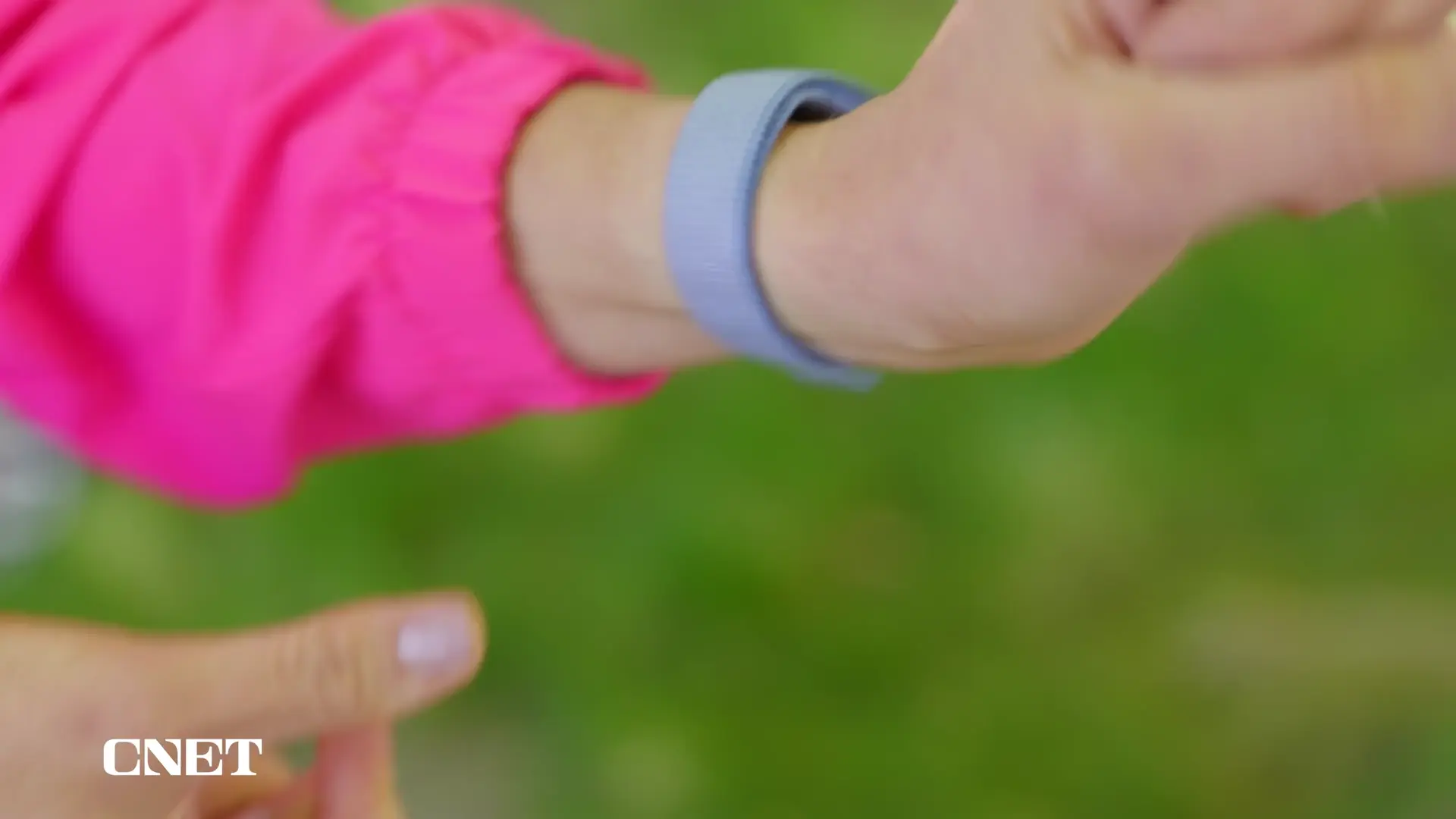
With the Fitbit Air, you could previously choose either recycled polyester and elastane yarn bands or polyurethane bands. Now, metal mesh bands are available in silver and gold.

This makes the Air look more like jewelry and less like a fitness device. Perfect for those who prefer more discreet wearables that they can wear in any setting.

Senior Editor, Health and Home
Anna Gragert (she/her/hers) was previously the lifestyle editor at HelloGiggles, the deputy editor at So Yummy and the senior lifestyle editor at Hunker. Over the past 12 years, Anna has also written for the LA Times, Elle, Bust Magazine, Dazed, Apartment Therapy, Well+Good and more. At CNET, she's a senior editor on the Healthy Home team, and her coverage includes health, wellness tech, meal kits and home and kitchen tech with a focus on the technology that aims to help us live our healthiest, happiest lives. See full bio
KioskNews shows a cleaned-up reading view extracted from the publisher’s page — the original always lives on their site, not ours.