Experts Raise Alarm Over Lenient Penalties in Proposed Pesticide Bill
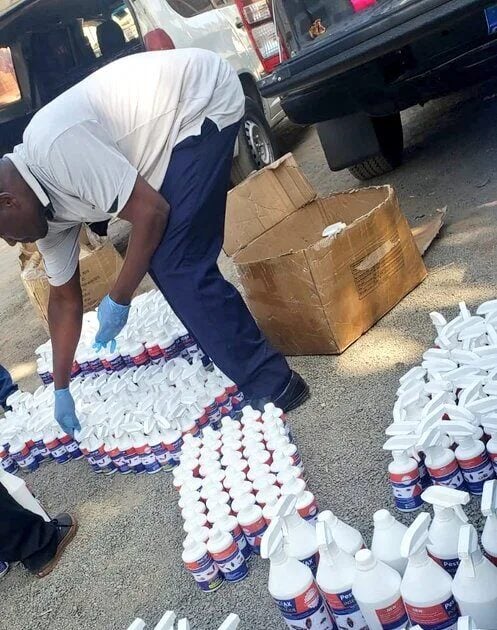
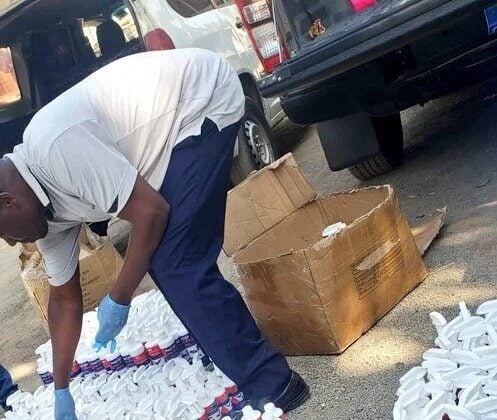
NAIROBI, Kenya Nov 24 – Organic farming lobby groups and environmental and agricultural experts have raised concerns over proposed penalties for pesticide-related offences, warning that the fines and prison terms outlined in the Pest Control Products Bill, 2025, may not be strong enough to deter offenders.
The stakeholders argue that the proposed fines are disproportionately low compared to the profits made from importing and selling hazardous, banned and counterfeit pesticides, raising questions about the effectiveness of the legislation in protecting public health and the environment.
The Bill, which is awaiting the Committee of the Whole House stage in the National Assembly, proposes fines of up to Sh50,000 or imprisonment for six months, or both, for providing false information during product registration.
Similar penalties apply to unauthorised research and certain violations involving pesticide transportation.
The highest penalty for importing, selling or using unregistered pest control products is a fine of Sh1 million or imprisonment for two years, or both.
However, counterfeit pesticide-related offences attract significantly higher penalties, with proposed fines ranging from Sh2 million to Sh10 million, imprisonment for up to seven years, or both.
Speaking during a media roundtable organised by Media for Science, Health and Agriculture (MESHA), Growth Partners Africa Director Dr Daniel Maingi questioned whether the proposed punishments would sufficiently discourage violations.
Maingi said the Bill lacked adequate provisions to ensure manufacturers and distributors take responsibility for the environmental consequences of their products.
He called for the incorporation of the polluter-pays principle through mechanisms such as Extended Producer Responsibility (EPR).
“EPR makes manufacturers and brand owners responsible for managing the environmental impact of their products throughout their lifecycle,” he said.
Maingi further noted that the proposed legislation did not explicitly provide for criminal liability for manufacturers or distributors in cases where pesticide use resulted in environmental contamination or poisoning.
KioskNews shows a cleaned-up reading view extracted from the publisher’s page — the original always lives on their site, not ours.