Kishan says captaincy has led to 'immense personal growth'
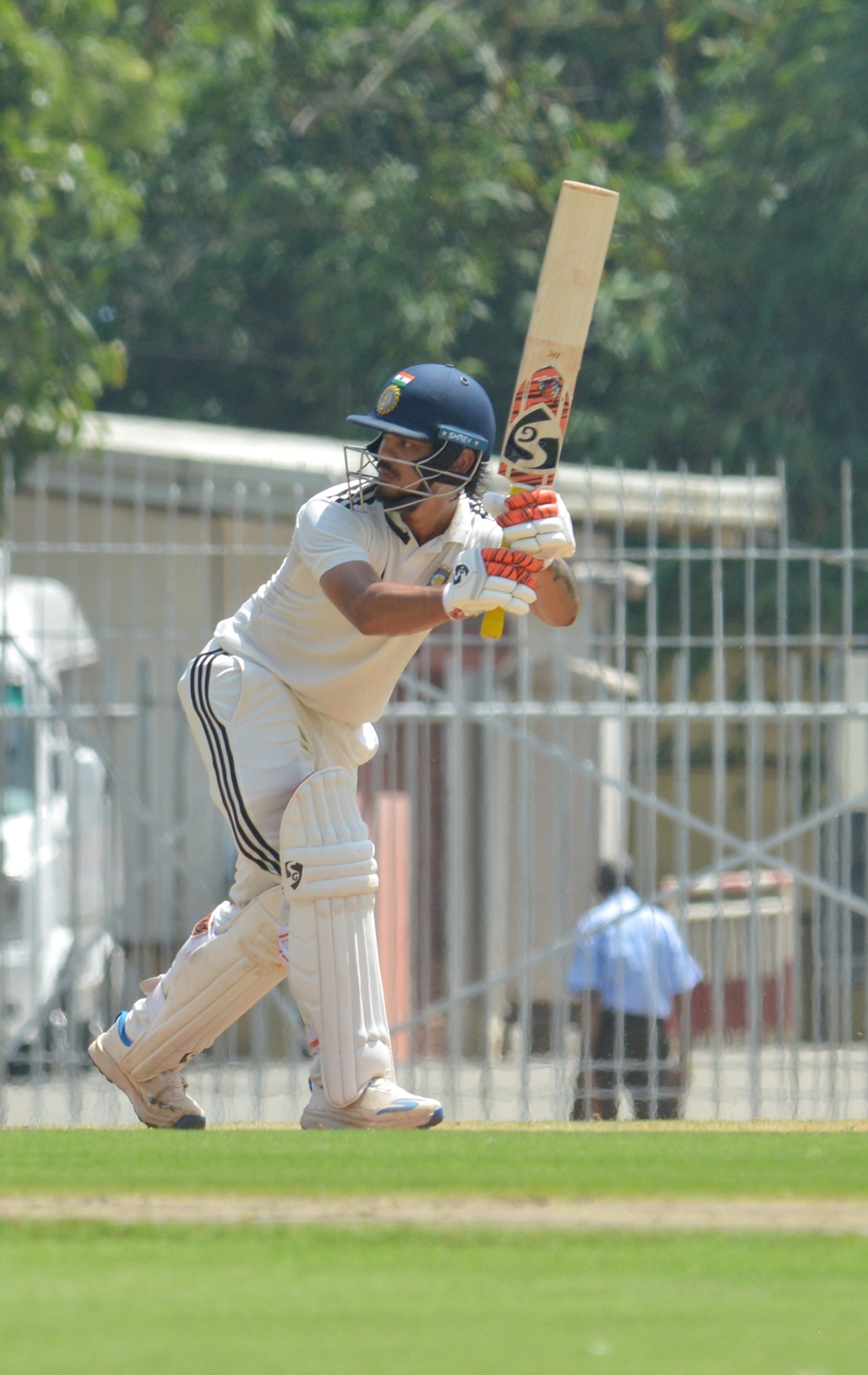
East Zone captain Ishan Kishan feels that his captaincy stints, including leading Jharkhand to the 20-overs Syed Mushtaq Ali Trophy title in 2025-26, have helped him evolve as a player. Success in the Syed Mushtaq Ali competition culminated in a T20I comeback for Kishan.
When Pat Cummins was recovering from injury, Kishan had also stepped in as captain for Sunrisers Hyderabad in IPL 2026.
"When you are the captain of the team, the first thing [you develop] is situational awareness," Kishan said after scoring 270 off 334 balls in the Duleep Trophy final against South Zone at Chepauk. "You have to stay alert the entire day on the field to understand what is happening and what isn't. You have to take care of all your team-mates. There are so many small things we often overlook in our daily routines - you don't look at your players or try to help them figure out how they can get better. But when you are the captain, it becomes your duty to help them.
Related

Duleep final to Afghanistan T20Is 'slightly challenging', say Kishan and Tilak Varma
East Zone ride on Kishan's 270 to post 708
Kishan resurfaces from wilderness and relishes red-ball grind
"You will have to take responsibility. If you don't take it now, when will you? It's not like I am 22 years old and have just broken into the team. Going through this whole [leadership] process leads to immense personal growth, and while you might not realise it immediately, your mindset shifts completely, and you become much calmer about things."
After marking his Duleep Trophy debut with a polished 85 off 120 balls, Jharkhand rookie Shikhar Mohan spoke about the positive effect Kishan had on him during their 94-run stand on the opening day. Mohan's innings was cut short by a short delivery from left-arm seamer CV Milind, which skidded low and grazed the bottom edge before hitting the stumps.
After the second day's play, Kishan joked that Mohan actually went against his advice. "Did he even listen to me? I told him not to play the pull shot, he played it anyway, and got out," Kishan quipped. "I told him not to take undue risks. When you're playing a final why throw it away?
"Still, my job was to guide him. He is a young player making his debut here. He plays Ranji, but a Duleep Trophy final is a massive platform - there are cameras, media, selectors watching, and everyone's eyes are on you, so the pressure is real. If you're set in the middle and batting fluently, why not score a hundred in these big games? Converting starts is a habit and I feel that's an area where our East Zone set-up has lagged - we never really built that culture."
In the Duleep semi-final in Bengaluru, Kishan himself had a start in the first innings against Central Zone before falling to fast bowler Yash Thakur for 16 off 27 balls. He went much bigger in the final at Chepauk, with India's chief selector Ajit Agarkar in attendance, scoring 270 off 334 balls, vaulting East Zone to 708.
In February 2024, Kishan had lost his India central contract for not prioritising domestic cricket, but he has participated in various tournaments since, which has rekindled his hunger for red-ball cricket especially.
"I actually really enjoyed it," Kishan said. "I went back, had to grind and work hard for about two years. But sometimes, what happens is... when we play regularly for the Indian team, you just keep playing in a flow. Yes, you might be a very good player which is why you're playing for India, but your growth stagnates at a certain point. So when you take one step back and go back to domestic cricket, you start from zero again.
"To get back into the [national] team, your only option is to perform much better than them. Nothing against anyone, but I'm saying you'll only benefit if you do better."
KioskNews shows a cleaned-up reading view extracted from the publisher’s page — the original always lives on their site, not ours.