Mumbai's Rs 53,928-Crore Underground Road Network Project Gets Approval
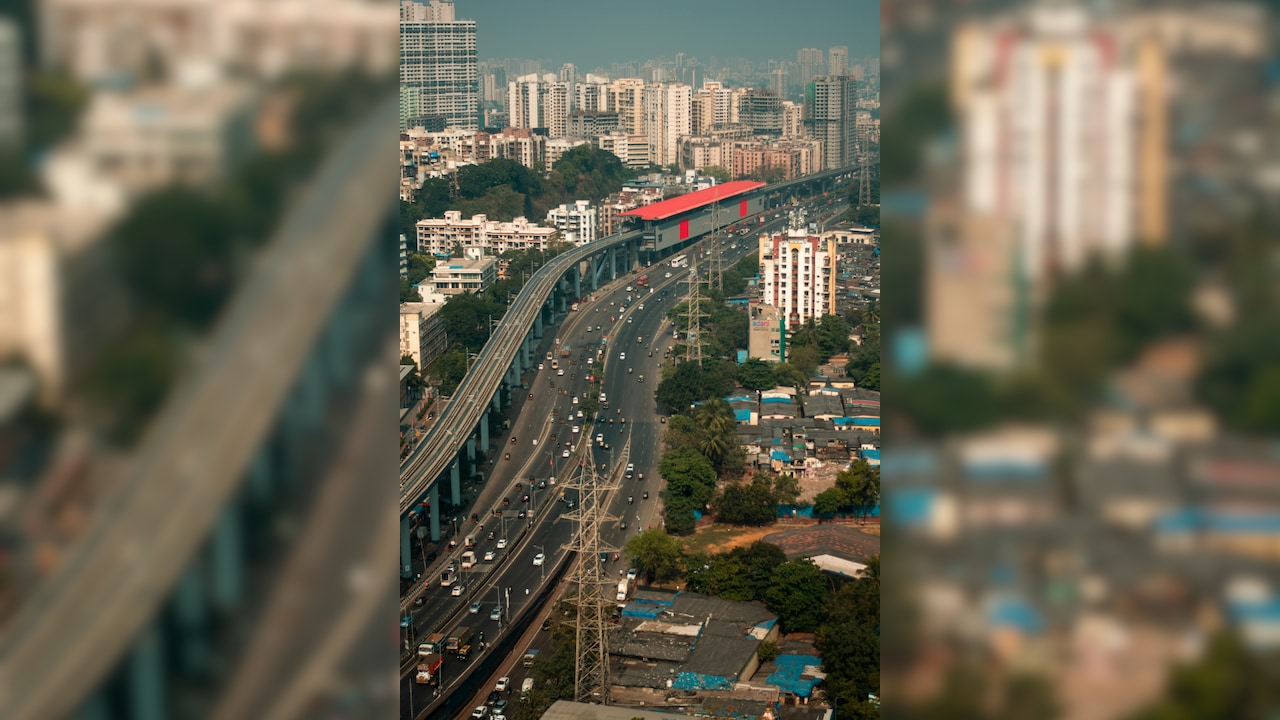
Mumbai could soon get an extensive underground road network connecting the Bandra-Worli Sea Link, BKC, Dharavi and the airport, with the Maharashtra government giving in-principle approval to the ambitious project.
Mumbai's proposed underground road tunnel network, popularly dubbed 'Pataal Lok', has received in-principle approval from Maharashtra Chief Minister Devendra Fadnavis on Thursday. The project, proposed by the Mumbai Metropolitan Region Development Authority (MMRDA), aims to create a network of underground roads to ease traffic congestion across some of the city's busiest corridors.
Estimated to cost approximately Rs 53,928.2 crore, the project envisages around 30.87 km of tunnels in each direction, taking the total construction length to approximately 61.74 km. The network is expected to connect key commercial, residential and transport hubs across Mumbai.
Underground network to connect BKC, Dharavi, Sea Link and airport
The central stretch of the proposed network will pass beneath the Mithi River, connecting the Bandra-Kurla Complex (BKC) and Dharavi. From this stretch, the tunnels will branch out towards multiple important locations, including the Bandra-Worli Sea Link, BKC's G Block, the upcoming bullet train station, Dharavi and Chhatrapati Shivaji Maharaj International Airport's Terminal 2.
The proposed alignment will also extend northwards, running parallel to the Western Express Highway and passing beneath areas such as Bandra East, Vakola and Vile Parle.
A second phase is planned to extend eastwards through congested parts of Andheri East, including Asalpha and Sakinaka, before connecting towards the Eastern Express Highway near Ghatkopar.
Three-lane tunnels designed for speeds of up to 80 kmph
The proposed tunnels will have a diameter of approximately 14 metres and are designed to accommodate three lanes of traffic. Vehicles will be able to travel at speeds of up to 80 kmph.
The project aims to provide an alternative to surface roads, where average vehicle speeds on several congested stretches are estimated to be between 15 and 20 kmph.
For passenger safety and emergency management, cross passages are planned at intervals of every 300 metres to facilitate evacuation and emergency access.
The construction is expected to involve a combination of tunnel boring machines, conventional excavation and cut-and-cover techniques, depending on the terrain and alignment.
Funding and clearances remain key hurdles
While the Chief Minister's in-principle approval marks an important step for the proposal, several formalities remain before the project can move towards execution.
MMRDA will have to finalise the funding arrangements, appoint a general consultant and contractors, and obtain the necessary environmental and statutory clearances.
The proposed alignment, particularly the stretch beneath the Mithi River and areas close to mangroves, will require careful assessment. Existing underground utilities and other infrastructure will also have to be accounted for during the planning and construction process.
No construction start date has been announced so far.
Once implemented, the underground road network is expected to provide an alternative route for commuters travelling between Mumbai's western suburbs, eastern suburbs, commercial districts and major transport hubs. However, the project remains at the planning and approval stage, with its execution timeline dependent on clearances, funding and further technical preparations.
KioskNews shows a cleaned-up reading view extracted from the publisher’s page — the original always lives on their site, not ours.