'We should understand them': Ex-Army chief Naravane on Gen Z's approach amidst recent protests
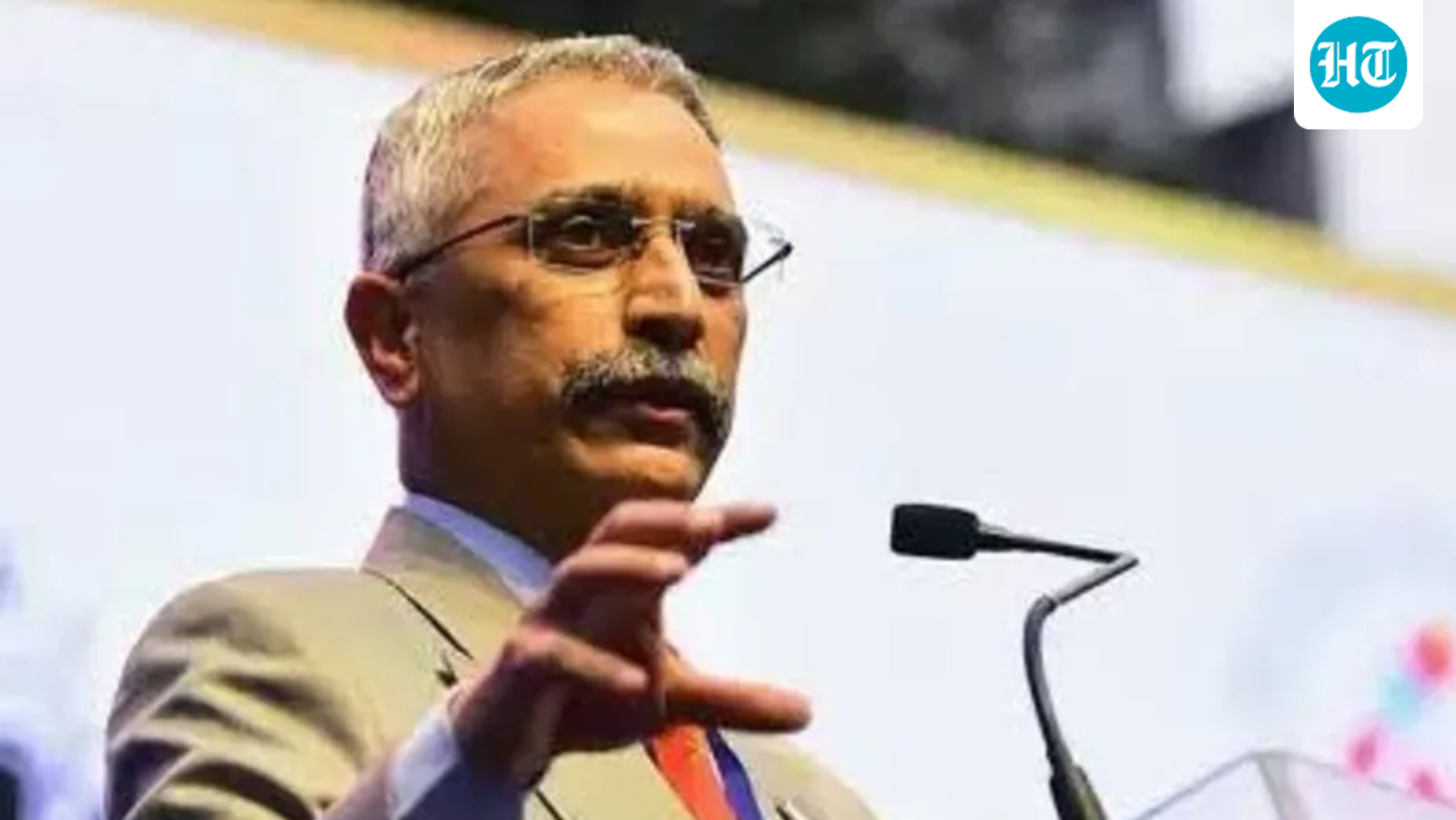
Emphasising the need for constructive engagement rather than outright dismissal, former chief of the Indian Army, General Manoj Mukund Naravane (Retd), on Thursday weighed in on recent statements made by Gen Z concerning "regime change," remarking that having a "different way of thinking does not mean they are wrong."
Speaking to ANI, the former Army Chief stressed that society and authorities must make a genuine effort to understand the perspective, grievances, and confusion of the younger generation through regular dialogue.
"The younger generation has a different way of thinking. However, having a different way of thinking does not mean they are wrong," Gen Naravane (retd) said.
Also Read | Row over Gen Naravane's memoir raises the question: Should Army prioritise merit over seniority?
Advocating for patient listening and empathy, he added, "We should try to understand them. Once we understand them, understand their problems and difficulties—if we listen to them and understand them—only then can we resolve and fix the confusion and issues they face. Therefore, engaging in dialogue with each other and listening to one another is very essential."
The “regime change” row erupted after senior advocate Prashant Bhushan described the ongoing agitation against Chief Election Commissioner Gyanesh Kumar as a “fight for regime change”. All India Students' Association (AISA) president Neha Bora also referred to the Gen Z-led movement in Bangladesh while talking about 'regime change'.
Defence Minister Rajnath Singh had accused the Congress and its allies of using youth-led protests in Delhi to spread "anarchy" and seek a Bangladesh-style change of government.
Union Minister Kiren Rijiju accused opposition figures and external actors of attempting to foment violent street protests in India similar to those seen in Bangladesh and Paris.
Pushing back, Congress MP Shashi Tharoor emphasised that analogies comparing India’s democratic protests to violent European riots were completely baseless.
Speaking to ANI, Tharoor said, "I think that India is not Bangladesh and India is not France… We only believe in peaceful protest… What we are calling for is free and fair elections… It's a constitutional issue. It's not an issue of trying to topple a regime or anything like that.”
Echoing similar sentiments, Congress Rajya Sabha MP Pawan Khera also accused the ruling party of recycling a "dangerous trope" to communalise domestic discourse and discredit legitimate grievances regarding electoral integrity and education.
"Comparing India and Europe is comparing apples with oranges," Khera said, stating that the narrative was an attempt to portray Europe as a cautionary tale to villainise Indian minorities.
RSS chief Mohan Bhagwat also denied the term, stating that “regime change has neither happened nor will it happen,” while referring to protests in France and developments in Albania, Nepal and Bangladesh. (ANI)
KioskNews shows a cleaned-up reading view extracted from the publisher’s page — the original always lives on their site, not ours.