Let’s go nuts in the garden – and the cobnut is a great place to start
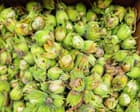
When I think of the crops I’m eager to grow, my mind rarely goes to nuts. But when I spotted the last of the season’s cobnuts at the greengrocer’s, it occurred to me that this could be one to consider. The nuts that come from the hazel – a tree that grows in many a woodland and also my front garden – have been foraged for millennia and cultivated versions have existed since Roman times.
It’s the cultivated varieties you want to plant for a decent crop of cobnuts, as wild hazel produces smaller yields. This is a tree that prefers mild conditions, hence their connection to Kent, where they were grown abundantly during the Victorian era (one of the most popular varieties is called the Kentish cob.) They prefer a sunny spot, in free-draining earth – a challenge for me with my clay soil – in a sheltered position where they’ll be protected from frosts that would affect pollination.
As cobnut trees are monoecious – meaning that the pollen-bearing catkins and the fruit-bearing flowers grow separately but on the same tree – pollination is a key consideration. Some cultivars will not self-pollinate and so rely on the presence of another tree (as well as the wind) for successful pollination. Fortunately, wild hazel can pollinate most cultivars, so if you have some in your garden, as I do, you may well be fine.
after newsletter promotion
As with most trees, the best time to plant them is when they are dormant, so from November through to late winter works for cobnuts, which are generally sold as one- to two-year-old trees. While it is possible to get a crop of nuts from an unpruned tree, making the effort to prune should result in larger, better quality nuts. Aim for an open structured tree with about 10 leaders growing outwards. Once established, prune to prevent overcrowding in winter. If you do this after the catkins have arrived, this can help distribute pollen for better pollination. Additionally, brutting is a traditional pruning technique that encourages heavier cropping and involves bending that season’s side shoots in late summer, but leaving the broken section still attached.
Cobnuts are ready to harvest from August if you like the taste of them when fresh, before they start to ripen. In any case, this might be your only opportunity if you share your garden with squirrels. Green cobnuts have a delicate nutty flavour and a juicy texture, but for those who prefer the more typical nut experience, wait until the husks start to turn yellow a month or so later. Cracking, shelling and then lightly roasting your cobnuts serves to enhance their nutty flavour.
KioskNews shows a cleaned-up reading view extracted from the publisher’s page — the original always lives on their site, not ours.