EU unveils Arctic strategy to counter increasing Russia, China influence
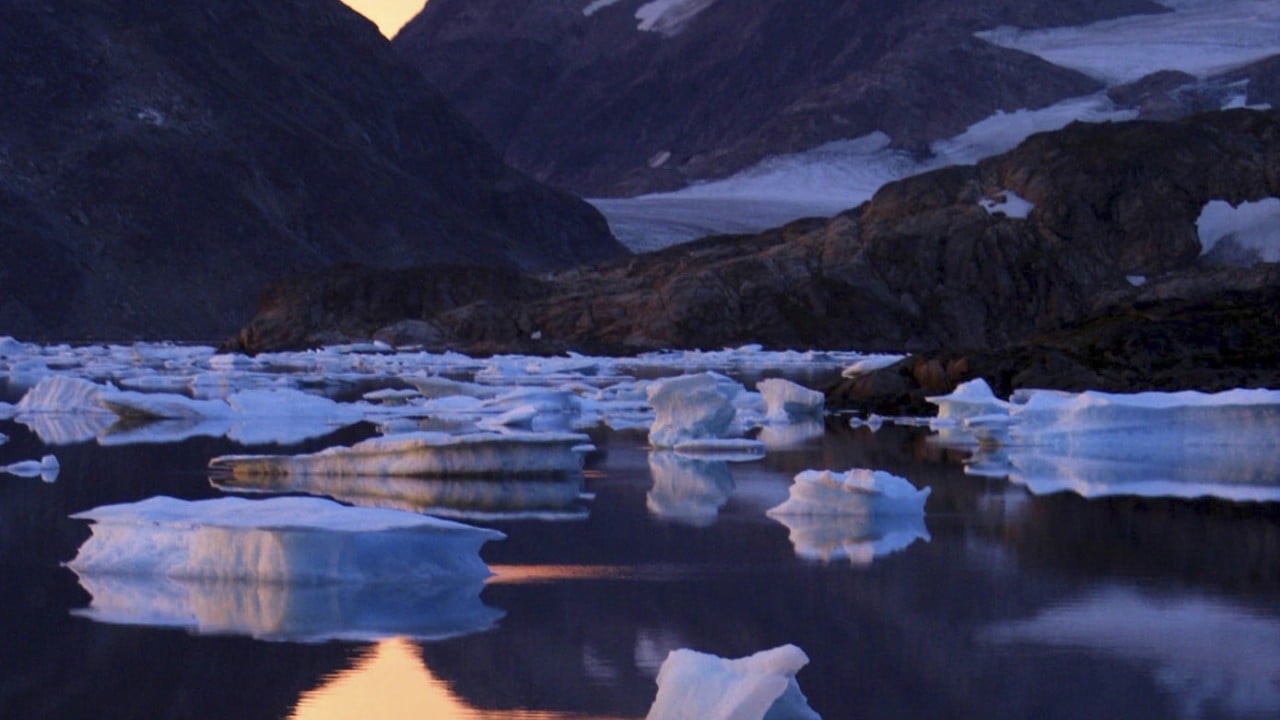
The European Commission has presented an updated strategy for the Arctic as climate change and rapidly melting ice open up the remote but resource-rich region.
“With Russia and China increasing their footprint and ambition, the Arctic has become a front line of global power competition,” said European Union foreign affairs chief Kaja Kallas on Tuesday.
With the new strategy, the commission aims for the EU to keep pace with rivals as new shipping routes and mining opportunities, including for critical raw materials, become available.
“Access to Arctic sea lanes and natural resources is of strategic interest to the EU,” Kallas said.
Geographically, the northern parts of EU countries Finland and Sweden lie within the Arctic region.
04:56
What are Trump’s motivations for wanting the US to take over Greenland?
The vast Arctic island of Greenland, which is not part of the EU but belongs to the Kingdom of Denmark, is also of major importance to the EU.
US President Donald Trump has repeatedly expressed his desire to take control of the resource-rich island.
A senior EU official told reporters in Brussels that there were also concerns Russia could shift more of its attention to the Arctic once the war in Ukraine ends.
“To defend our interests, we are stepping up efforts in surveillance, infrastructure, military mobility and defence technologies that can withstand the harsh climate,” Kallas said.
Planned measures include improving the protection of undersea cables and other critical infrastructure, strengthening the EU’s ability to operate in extreme Arctic conditions and expanding Europe’s icebreaker capacity.
The Arctic is one place where the tectonic plates of geopolitics are colliding. And it is not someone else’s frontier. It is part of the EU
Values that underpinned security can no longer be taken for granted, European Commission President Ursula von der Leyen said.
“The Arctic is one place where the tectonic plates of geopolitics are colliding. And it is not someone else’s frontier. It is part of the European Union,” she said.
“When we see that sovereignty, territorial integrity and the rules that have underpinned stability in the region can no longer be taken for granted, we have to act and change our strategic posture.”
Kallas said the bloc remained committed to “ensuring that oil, coal and gas stay in the ground, including in Arctic regions”.
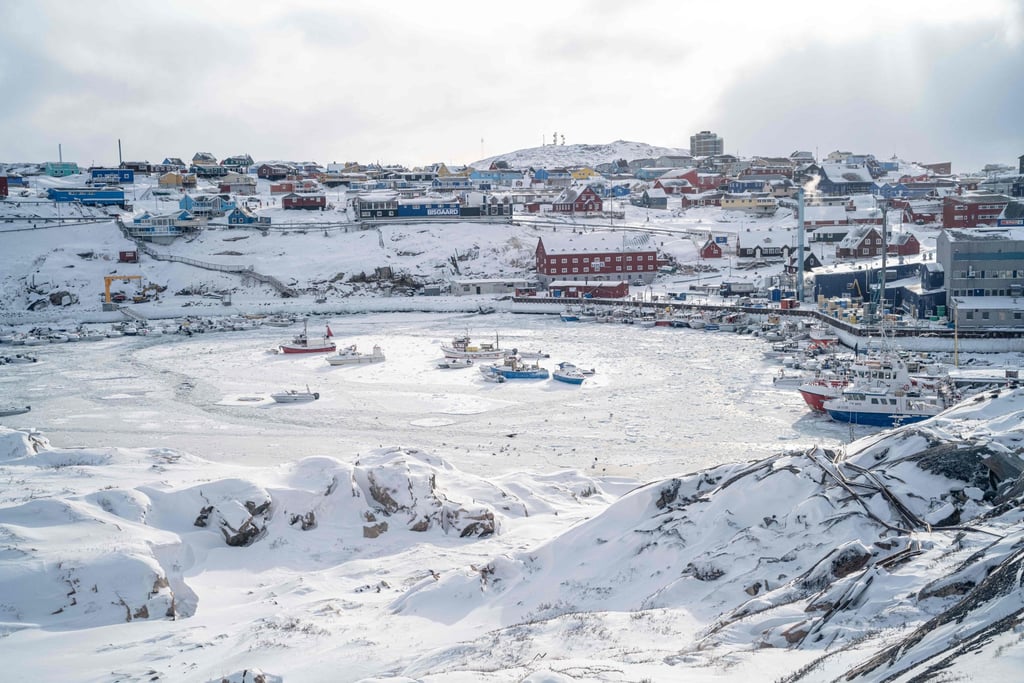
“Due to its specific vulnerabilities, the Commission will work with partners to protect the Arctic environment and prevent all hydrocarbon reserve developments that pose a threat to the Arctic ecosystem,” the new strategy also says.
However, it does not repeat a pledge from the previous strategy, issued in 2021, to work towards “a multilateral legal obligation not to allow any further hydrocarbon reserve development in the Arctic or contiguous regions” or buy any products from those developments.
Norway has called on the EU to drop its opposition to new drilling in the Arctic.
With many ageing fields, Norwegian production is set to decline in the 2030s unless companies such as Equinor make new discoveries outside mature areas.
KioskNews shows a cleaned-up reading view extracted from the publisher’s page — the original always lives on their site, not ours.