Not all ferns are edible, DENR warns
Make this your preferred source to get more updates from this publisher on Google.
The Department of Environment and Natural Resources (DENR) warned that not all "pako" or Philippine endemic ferns are safe to eat.
There are around 12,000 fern species globally, with approximately 1,030 recorded in the Philippines, the department said.
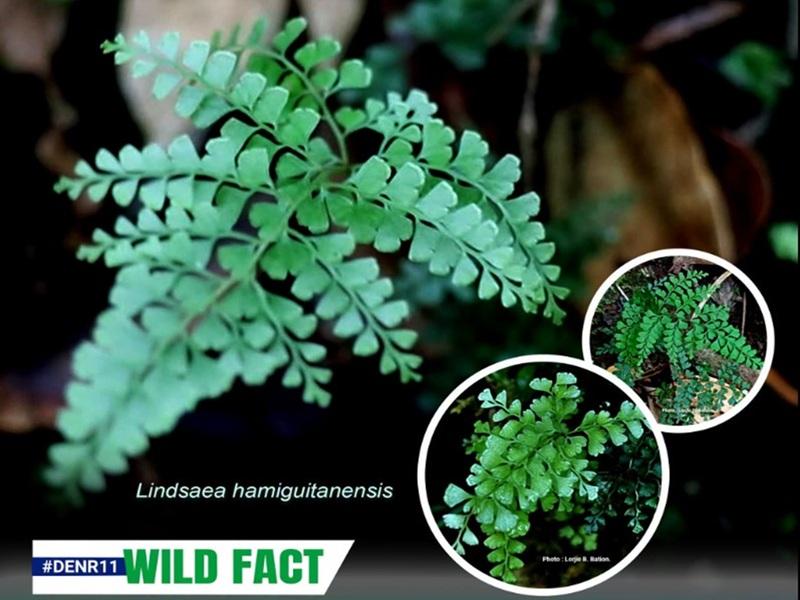
The Lindsaea hamiguitanensis, which was first found and recorded in the Mt. Hamiguitan Range Wildlife Sanctuary in Davao Oriental, is not edible unlike the other Philippine endemic ferns.
"It is classified as Vulnerable under DENR Administrative Order No. 2026-20. Unlike edible pako varieties, there are limited studies on the edibility of this species. Thus, it is best not to forage, consume, or uproot it from the wild," the DENR Davao Region said.
The Lindsaea hamiguitanensis has relatively thin leaflets measuring approximately 1 to 1.8 centimeter long and 0.8 to 1 centimeter wide. They are also now found in other parts of Mindanao and Negros.
Moreover, the DENR said that pako plants are not only good for salads but also for the environment.
"Many ferns help prevent soil erosion, retain moisture on the forest floor, provide shelter for small organisms, and support nutrient recycling. These ecological functions play a vital role in maintaining healthy and resilient forest ecosystems," the DENR Davao Region said. — BAP, GMA News
KioskNews shows a cleaned-up reading view extracted from the publisher’s page — the original always lives on their site, not ours.