Snap Insight: Though Trump-Xi summit achieves little, 2026 is a high point in US-China relations
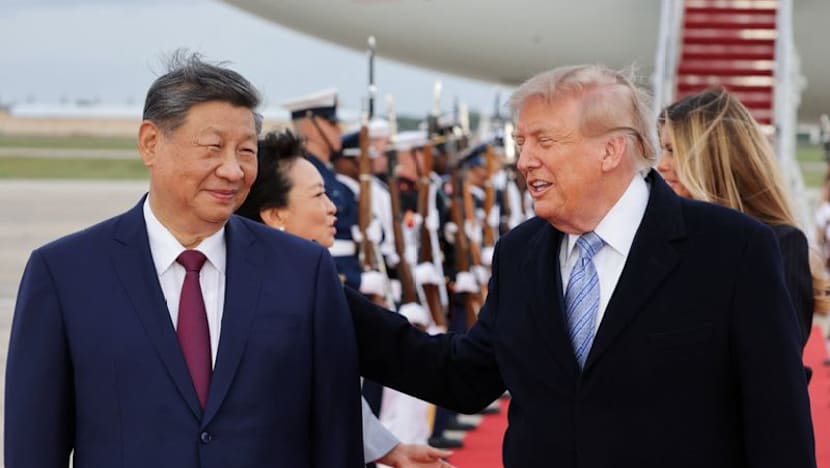
SINGAPORE: The second summit of 2026 between United States President Donald Trump and Chinese President Xi Jinping did nothing to address the core tensions in US-China relations.
Though the two countries agreed to extend a trade truce until January 2027, the trade war remains, as do all the other areas of contention between Washington and Beijing.
US grievances with unfair trade practices in China, for which Mr Trump first instituted tariffs in his first term, have not been addressed. Now, America’s concerns over China’s excess capacity add to the list.
China remains opposed to the retaliatory tariffs and all the export and investment restrictions which the US imposes.
TIME IS RUNNING OUT FOR MEANINGFUL PROGRESS
Even with all the pageantry from the US and the apparently warm relationship between the two leaders, nothing much has happened to alter the course of the relationship. And time has run out for the rest of Mr Trump’s presidency to do so.
“The window for Mr Trump to negotiate with Xi is closing on meaningful progress,” Michael Hart, President of AmCham China told me.
"The two bilateral meetings were probably the best opportunity to negotiate, I'm hopeful, but it's unlikely big deals will be announced in the next potential meetings APEC and G20," he added.
While Mr Trump reversed protocol by rolling out the red carpet and meeting Mr Xi on the tarmac, the US’ national security machinery never stopped.
In June, the US Commerce Department closed a loophole that let Chinese-owned companies abroad buy advanced AI chips. In July, the Federal Communications Commission blocked the import of foreign-made power inverters, used in solar grids, and advanced robots.
The US Congress earlier this year introduced a bipartisan bill to tighten controls on chipmaking tools.
With the Democrats poised to take control of the House and possibly the Senate in the upcoming midterm elections, expect further US action against China, especially on artificial intelligence. The US-China race for AI supremacy is one of the few areas in which Democrats and Republicans are aligned.
STAKES HIGH FOR ASIA
For Asia, the stakes are higher than the headlines suggest.
The US Section 301 investigations into excess capacity and forced labour send a clear message: The region remains central to the America First trade policy of addressing unfair practices, lowering the US trade deficit and bringing investment home.
Taiwan remains a priority for Mr Xi – he urged the US to oppose “Taiwan independence” at his meeting with Mr Trump. Washington has put on hold a US$14 billion Taiwan arms package since May, which Mr Trump called a “very good negotiating chip”. But the longer it stays on hold, the more Beijing will conclude that Taiwan is negotiable, and the more it will ask for.
The war with Iran stands out as the largest wildcard. China remains Tehran's biggest oil customer. If Chinese support for the regime is ever linked to harm to American forces, the situation could escalate quickly.
Business leaders shouldn't mistake this week’s atmospherics for a safer operating environment. The US and China haven't made peace – they've reached a stalemate where neither has an opening to win.
Today’s US-China relationship, where little gets advanced and not much gets worse, will likely be as good as it gets for some time. Regardless of how many summits the two presidents hold, 2026 will be a high point in US-China relations.
A situation where tariffs from each side do not skyrocket, rare earths are mostly available to the US, China continues to make enough purchases from the US and the status quo remains across the Taiwan Strait may be as ideal as Washington and Beijing can realistically expect.
Steven Okun is CEO of APAC Advisors, a geostrategic and responsible investment consultancy based in Singapore. He served as Deputy General Counsel at the US Department of Transportation in the Administration of President Bill Clinton.
KioskNews shows a cleaned-up reading view extracted from the publisher’s page — the original always lives on their site, not ours.