19 Years Later, Even Marvel Knows This Civil War Moment Aged Like Milk

Adam has been writing in the entertainment news space for over a decade. Beginning his career of covering film and TV at CinemaBlend, he has also appeared on The Flash Podcast and done several radio spots.
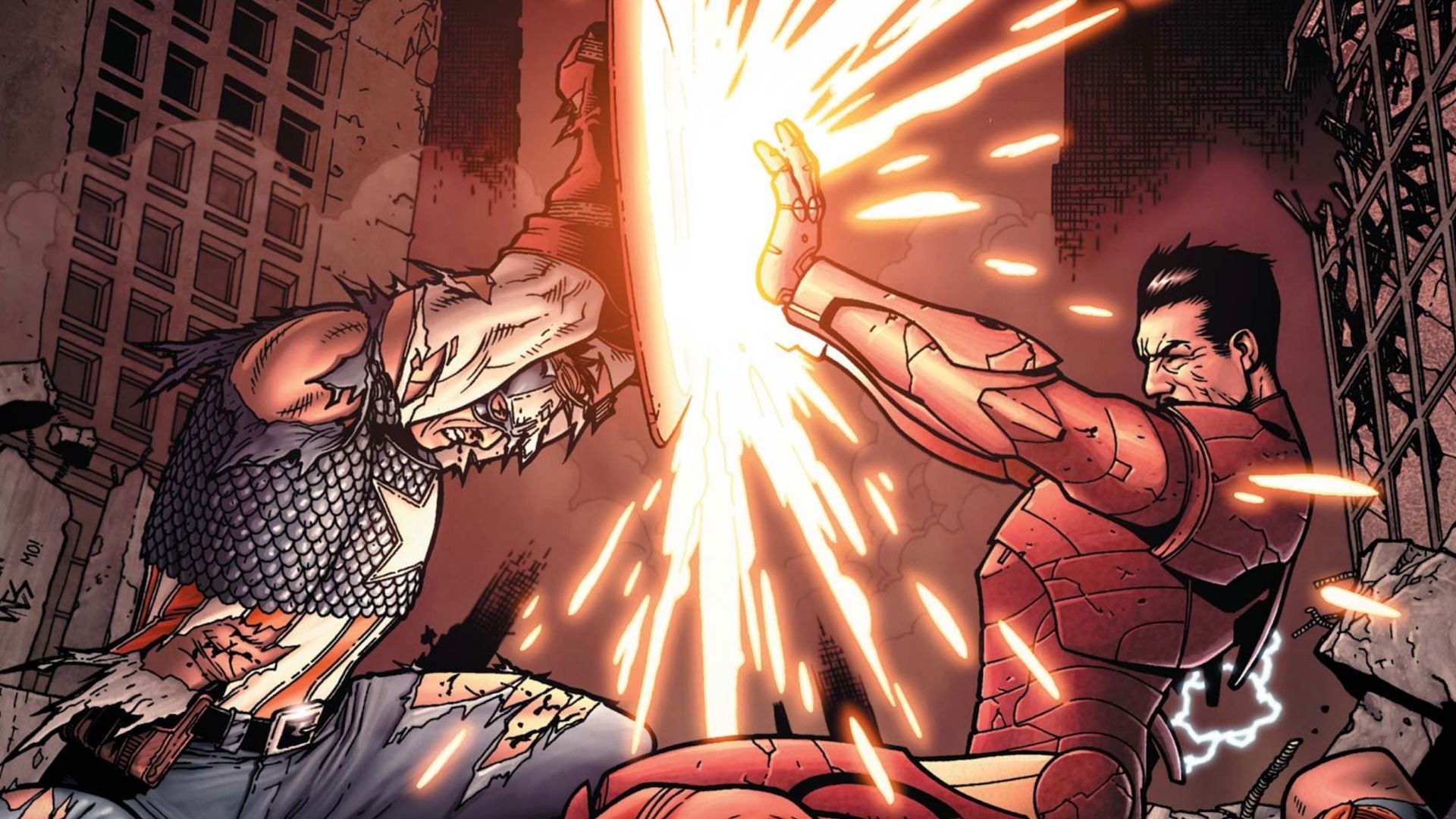
In 2006, most of Marvel’s Earthbound superheroes were divided by the Civil War event. On one side was the pro-Superhuman Registration Act faction led by Iron Man, which believed that this legislation was the right move for ensuring accountability and responsibility among those with powers and special abilities. On the other side was the Captain America-led faction against the Superhuman Registration Act, as they felt enhanced individuals being forced to register with the U.S. government infringed upon privacy and civil liberties.
While Civil War earned mixed critical reception when it was originally published, it remains one of the most influential Marvel Comics crossovers. 2016’s Captain America: Civil War loosely adapted the Mark Millar-written and Steve McNiven-illustrated story to launch the Marvel Cinematic Universe’s Phase Three. Yet, nearly 20 years after Civil War ended, Marvel understands one moment from the crossover has aged poorly, so the company rectified this in one of its current titles.
Civil War: Unmasked Reveals Steve Rogers’ Secret Civilian Life
Civil War: Unmasked #5, Written By Christos Gage, Art By Edgar Salazar
Taking place between the tragedy in Stamford, Connecticut that prompted the creation of the Superhuman Registration Act, and the subsequent clash between Iron Man and Captain America's groups, Civil War: Unmasked #5 shows the latter, a.k.a. Steve Rogers, going undercover in a new civilian identity set up by Nick Fury. He’s one of many anti-registration superheroes who are forced to keep a low profile after Spider-Man unmasked himself in support of the legislation. At this point in the Marvel timeline, Steve was living as Brett Hendrick, a mall security guard in Queens, New York.
Though Steve’s time was Brett was short-lived, he made friends with his coworkers and viewed this other identity as a way for him to “get a sense of whether I even still know what the lives of the people I claim to fight for are like.” Unfortunately, this chapter of his life came to a tragic end when the supervillain Bushwacker attacked the mall he’s working at in an attempt to draw Cap out. Among the casualties was another one of the other security guards.
While Steve defeated Bushwacker after suiting back up as Captain America, he was forced to make a quick exit before S.H.I.E.L.D. arrived on the premises. As he’s leaving with Luke Cage, Cloak, and Dagger, Steve disputed Luke’s claim that what happened at the mall wasn’t his fault. Instead, he countered that this happened because he thought he “could belong with ordinary people,” but what he did instead was bring his “fight to them, without giving them a choice.”
Steve Rogers’ Civilian Life Undercuts His Controversial Civil War Interview

Whether Steve’s assessment was correct or not, Civil War: Unmasked #5 pushes back against one of Civil War’s most controversial moments. The tie-in series Civil War: Frontline followed journalists Ben Urich and Sally Floyd covering the pro and anti-Superhuman Registration factions of this conflict, respectively. In the 11th and final issue, Ben and Sally are taken to interview Steve after he’s surrendered himself into S.H.I.E.L.D. custody to explain his actions.
Sally called out Steve for supposedly being out of touch with everyday Americans because he didn’t know about things like MySpace, The Simpsons, NASCAR races, YouTube, or who won the last World Series or American Idol season. Sally was attempting to demonstrate how Steve holds America up as “some shining beacon of perfection” despite knowing “next to nothing about it.” However, the scene was poorly received because Sally’s shallow pop culture references failed as an effective counter to Steve’s more antiquated perspective on what America should be.
19 years later, Civil War: Unmasked #5 shows, albeit as a retcon, that Steve does know what living as a normal civilian in the present day is like. In the Brett Hendrick identity, he formed connections with people who don’t deal with superheroes and supervillains on a regular basis, and learned about what was important to them. Steve may not have fulfilled Sally’s requirements (some of which are already outdated), but now it’s established that Man Out of Time is more in touch with the American public than she assumed.
Civil War: Unmasked #5 is now available from Marvel Comics.
- Created By
- Joe Simon, Jack Kirby
- First Appearance
- Captain America Comics
- Alias
- Steve Rogers, John Walker, Sam Wilson
- Alliance
- Avengers, Invaders, S.H.I.E.L.D., U.S. Army
- Race
- Human
- Franchise
- Marvel
KioskNews shows a cleaned-up reading view extracted from the publisher’s page — the original always lives on their site, not ours.