A nuclear reactor inside Pax Silica? DOE says it’s an option

Already have Rappler+?
to listen to groundbreaking journalism.
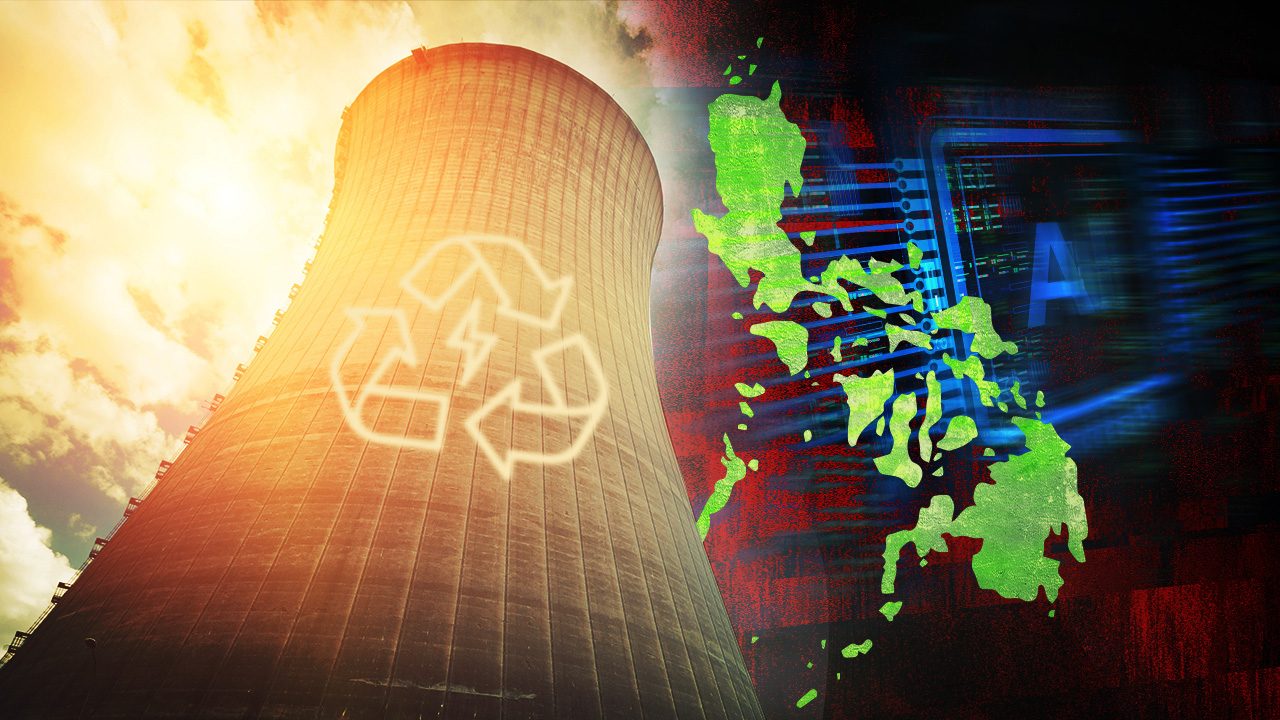
Beyond the nuclear question, critics warn that a Pax Silica deal should be studied well to prevent any exploitative arrangements reminiscent of the Philippines’ colonial past
AT A GLANCE
- The Department of Energy is exploring nuclear energy as a potential power source for the Pax Silica industrial hub, which requires an estimated 3,000 megawatts of power.
- There are significant regulatory and safety challenges associated with establishing a nuclear reactor, as the Philippine Atomic Energy Regulatory Authority has not yet finalized its licensing and safety requirements.
This is AI-generated. Read the article for full context. Report any errors.
Getting enough energy was always one of the biggest roadblocks for the power-hungry Pax Silica industrial hub. So what if it went nuclear?
“That’s part of the discussions,” Department of Energy (DOE) Director IV Patrick Aquino told reporters on Wednesday, November 4, when asked whether a nuclear reactor could be located within the envisioned US-backed development in Tarlac.
Aquino said the US side has lined up studies on how to power the hub, although he could not confirm the amounts involved.
“For us, the mandate of the Department of Energy is to ensure that there are energy options, regardless of the location. So it’s just incidental in this case that it’s nuclear,” Aquino said when pressed again on whether a nuclear plant was specifically being considered to power Pax Silica.

The government has been looking at ways to supply electricity to Pax Silica without burdening surrounding communities. Once fully built, Pax Silica could use an estimated 3,000 megawatts of power. No less than Energy Secretary Sharon Garin has warned that the effect of drawing that much power from the grid itself would be “too dangerous” for the average consumer.
For this reason, the DOE wants businesses locating within Pax Silica to bring their own power, with renewable energy and natural gas also among the options.
But setting up a nuclear reactor comes with its own complications. Aquino acknowledged that regulations governing small modular reactors and micro-modular reactors have yet to be firmed up.
“Since nuclear is heavily regulated, we have to really defer to the regulatory body, PhilATOM, on the necessary licensing as to the site and its safe operation,” he added.
Indeed, licensing and safety requirements have yet to be set by the Philippine Atomic Energy Regulatory Authority (PhilATOM), not least because that regulatory agency itself has yet to become fully operational, with leadership appointments and implementing rules still pending.

‘Years away’
The nuclear proposal has already drawn skepticism, some of which surfaced during a Pax Silica forum hosted by Fair Transitions Lab on Wednesday, November 4.
Former UP Diliman College of Science dean Giovanni Tapang told Rappler that building a reactor specifically for the hub could leave the country with expensive, underutilized power infrastructure if the project fails to attract enough investors or electricity demand.
Former Ateneo School of Government dean and environmental lawyer Tony La Viña was similarly wary.
“That’s 10-20 years away. We have no regulatory capacity for nuclear energy, for one. I cannot imagine any nuclear plant of any type being approved any time soon,” La Viña told Rappler. “Of course, there are also the safety and waste issues, both of which we also do not have capacity to address.”
The nuclear discussion adds another layer to scrutinize in the already contentious Pax Silica proposal, which aims to attract advanced manufacturing and semiconductor investments.
At the forum, speakers questioned the project’s massive electricity and water requirements, the extent of technology transfer to Filipino industries, the protection of ancestral lands and affected Aeta communities. (READ: The oil crisis, broken roads, and a resettled Aeta community’s future)
And there may not be much time to settle these concerns before something gets signed. Word has it that Philippine officials are hoping to sign at least a framework agreement for Pax Silica during US President Donald Trump’s expected visit for the 49th ASEAN Summit in a few weeks’ time.
As of November 4, Malacañang said the draft agreement had been sent to the US side for feedback, with no confirmed signing date.
La Viña warned that Pax Silica could end up being reminiscent of exploitative American business arrangements in the Philippines’ colonial past — especially with its terms still out of public view and questions unanswered about who would truly benefit.
“We need to actually see whether or not in this agreement, we are going to regress in time and go back to a time when the Philippines was clearly a colonial subject of the United States,” he said. – Rappler.com
KioskNews shows a cleaned-up reading view extracted from the publisher’s page — the original always lives on their site, not ours.