The 10 Most Universally Beloved Best Picture Winners Ever, Ranked

In over three years at Collider, senior author Jake has now penned over 3000 articles covering a wide range of TV and film for the resources, lists, utilities, news, and interview teams. Alongside interviewing stars such as Selin Hizli, Rose Ayling-Ellis, Harlan Coben, and Chelsea Peretti, Jake was lucky enough to visit the set of Aardman and Netflix's Wallace and Gromit: A Vengeance Most Fowl in 2024, getting the chance to chat with four-time Academy Award winner Nick Park and Merlin Crossingham. Jake has also worked for other publications, including Agents of Fandom. You can also hear Jake every week as the resident film and TV journalist on Track Radio.
Sign in to your Collider account
The Toronto, Telluride, and Venice Film Festivals took place last month, and the first whispers of the 2027 Oscars race began. Seen as the spiritual start to awards season, TIFF regularly showcases the first glimpses of those titles that will soon be the talk of Tinseltown. The likes of Sebastian Stan's Academy Award-hopeful legal thriller Fjord, Chase Infiniti's impressive new indie The Julia Set, and Andrew Scott's Best Actor candidate performance in Elsinore all made their mark this year.
But it's one thing to be recognized by the Academy, and another entirely to prove an immortal Academy Award winner. Many of those who have won the Academy's top prize, past or present, have been held under particular scrutiny ever since; such is the immaculate standard a Best Picture winner must uphold. So, which of those very winners will the aforementioned hopefuls be dreaming of replicating the success of? Here's a list of the 10 most universally beloved Best Picture winners, ranked.
10 'Gone with the Wind' (1939)

There had only been 11 Academy Awards ceremonies before Gone with the Wind won the Best Picture prize on February 12, 1940. 86 years later, this epic romance still stands the test of time and is widely considered one of the finest films to ever be awarded the Academy's top prize.
Directed by Victor Fleming, Gone with the Wind's passionate, stormy relationship between Scarlett O'Hara (Vivien Leigh) and Rhett Butler (Clark Gable) is the stuff of cinematic legend, with her realization that she is truly in love with him coming just too late. The film was such a success that it set an Academy Awards record at the time, winning eight of its 13 nominations, as well as earning so much at the box office that, when adjusted for inflation, it is the highest-grossing film of all time.
9 'Titanic' (1997)

Titanic is the biggest film to ever win the Academy Award. Released in 1997, James Cameron's disaster epic — which stars Kate Winslet and Leonardo DiCaprio — went on to make $2.264 billion at the box office, and remains the only film from the 20th century to feature on the list of 40 highest-grossing films of all time.
Because of this, one would imagine this tale of love aboard a doomed voyage would be held under a microscope of scrutiny, simply for the fact that it has been watched by almost everyone. It is considering this success that Titanic deserves its place on this list, managing to balance global fame and popularity with an Academy Awards legacy most other winners can't match.
8 'The Silence of the Lambs' (1991)
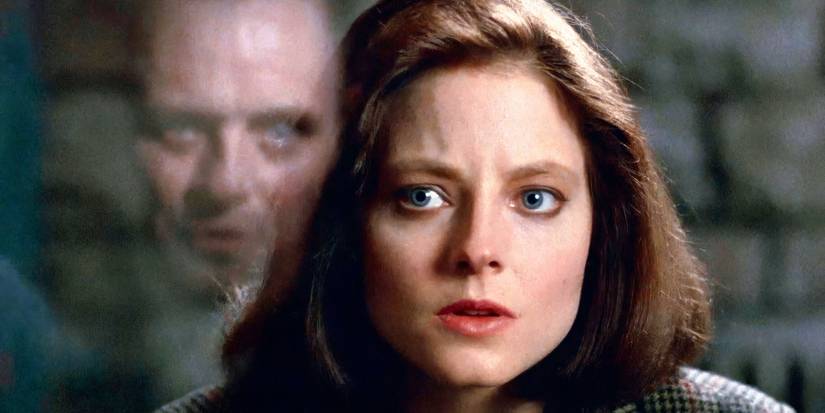
The horror genre has always struggled to strike a chord with the Academy. Some of the finest from the devil's favorite genre have been overlooked on cinema's most prestigious night, with Oscar-bait dramas preferred. However, in 1992, that would change as The Silence of the Lambs not only won the Best Picture prize, but did so against all odds.
Not only had Jonathan Demme’s adaptation of Thomas Harris’ novel managed to defy genre expectations and win Best Picture, but it had been released a whole 13 months before the ceremony, something simply unheard of. On top of everything, the Jodie Foster and Anthony Hopkins-led masterpiece became one of only three films to sweep the "Big Five" categories: Best Picture, Best Director, Best Actor, Best Actress, and Best Adapted Screenplay.
7 'Schindler's List' (1993)
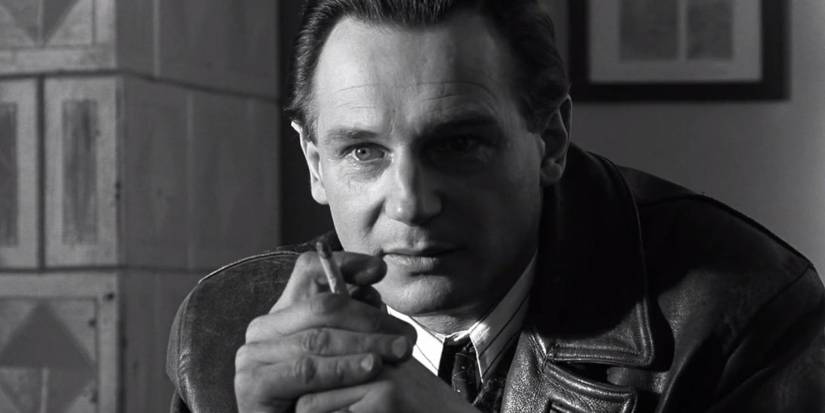
Any list of film greats would be unfinished without a Steven Spielberg title. The man behind the summer blockbuster is known for impacting almost all corners of the cinematic landscape, with his most influential drama, Schindler's List, becoming one of the Academy's finest Best Picture winners at the 66th ceremony in 1994.
This emotionally harrowing yet utterly life-affirming drama is arguably the magnum opus in the career of one of cinema's best. Supported by some of the best music by John Williams, Schindler's List tells the tale of a German industrialist's effort to save more than a thousand mostly Polish–Jewish refugees from the biggest tragedy in modern human history. Such a powerful tale needed the deft touch of a directorial veteran, and it was rewarded with seven Oscars, including Best Director.
Collider Exclusive · Oscar Best Picture Quiz
Which Oscar Best Picture
Is Your Perfect Movie?
Parasite · Everything Everywhere · Oppenheimer · Birdman · No Country
Five Oscar Best Picture winners. Five completely different visions of what cinema can be — and what it can do to you. One of them is the film that was made for the way your mind works. Ten questions will figure out which one.
🪜Parasite
🌀Everything Everywhere
☢️Oppenheimer
🐦Birdman
🪙No Country for Old Men
01
What kind of film experience do you actually want? The best movies don't just entertain — they leave something behind.
02
Which idea grabs you most in a film? Great films are driven by a central obsession. What's yours?
03
How do you like your story told? Form is content. The way a story is shaped changes what it means.
04
What makes a truly great antagonist? The opposition defines the protagonist. What kind of opposition fascinates you?
05
What do you want from a film's ending? The final note is the one that lingers. What do you want it to sound like?
06
Which setting pulls you in most? Where a film takes place shapes everything — mood, stakes, what's even possible.
07
What cinematic craft impresses you most? Every great film has a signature — a technical or artistic element that makes it unmistakable.
08
What kind of main character do you root for? The protagonist is the lens. Who you choose to follow says something about you.
09
How do you feel about a film that takes its time? Pace is a choice. Some films sprint; others let tension accumulate slowly, deliberately.
10
What do you want to feel walking out of the cinema? The best films leave a mark. What kind of mark do you want?
The Academy Has Decided Your Perfect Film Is…
Your answers have pointed to one Oscar Best Picture winner above all others. This is the film that was made for the way your mind works.
Parasite
You are drawn to films that operate on multiple levels simultaneously — that begin in one genre and quietly, brilliantly migrate into another. Bong Joon-ho's Parasite is a film about class, desire, and the architecture of inequality that manages to be darkly funny, deeply suspenseful, and genuinely shocking across a single extraordinary running time. Your instinct is for cinema that hides its true intentions until the moment it's ready to reveal them. Parasite is exactly that — a film that rewards close attention and punishes assumptions, right up to its devastating final image.
Everything Everywhere All at Once
You want it all — and this film gives you all of it. The Daniels' Everything Everywhere All at Once is one of the most maximalist films ever made: action comedy, multiverse sci-fi, family drama, existential crisis, and a genuinely earned emotional core that sneaks up on you amid the chaos. You are someone who responds to ambition, who doesn't want cinema to choose between being entertaining and being meaningful. This film refuses that choice entirely. It is overwhelming by design, and its overwhelming nature is precisely the point — because the feeling of being crushed by infinite possibility is exactly what it's about.
Oppenheimer
You are drawn to cinema on a grand scale — films that understand history not as a backdrop but as a force, and that place their characters inside that force and watch what happens. Christopher Nolan's Oppenheimer is a film about the terrifying gap between what we can do and what we should do, told with the full weight of one of the most consequential moments in human history behind it. You want your films to feel important without feeling self-important — to earn their ambition through sheer craft and the gravity of their subject. Oppenheimer does exactly that. It is enormous, complicated, and refuses easy comfort.
Birdman
You are drawn to films that foreground their own construction — that make the how of the filmmaking part of the what it's about. Alejandro González Iñárritu's Birdman, shot to appear as a single continuous take, is cinema examining itself through the cracked mirror of a fading actor's ego. You respond to formal daring, to the feeling that a film is doing something that probably shouldn't be possible. Michael Keaton's performance and Emmanuel Lubezki's restless camera create something genuinely unlike anything else — a film that is simultaneously about creativity, relevance, self-destruction, and the impossibility of ever truly knowing if your work means anything at all.
No Country for Old Men
You are drawn to cinema that trusts silence, that refuses to explain itself, and that treats dread as a form of meaning. The Coen Brothers' No Country for Old Men is a film about the arrival of a new kind of evil — implacable, arbitrary, and utterly indifferent to the moral frameworks we use to make sense of the world. It is one of the most formally controlled films ever made, and its controlled restraint is what makes it so terrifying. You want your films to haunt you, not comfort you. You are not interested in resolution if resolution would be dishonest. No Country for Old Men is honest in a way that most cinema never dares to be.
6 'The Sound of Music' (1965)

Musicals have a long and storied history in the Academy, with only the second Best Picture prize ever awarded going to The Broadway Melody in 1929. In the near 100 years since, many other musicals have taken home the Academy's top prize, but none have stood the test of time quite as well as The Sound of Music.
How do you solve a problem like Maria (Julie Andrews)? Well, you pair her with Captain Georg von Trapp (Christopher Plummer) and reward her with five Academy Awards, including Best Picture, Best Director (Robert Wise), and, of course, Best Sound (James P. Corcoran and Fred Hynes). An emotionally poignant, joyous musical packed with legendary show tunes, you simply can't beat The Sound of Music.
5 'Parasite' (2019)
The most recent entry on this list by no means benefits from recency bias—indeed, many agree that it's perhaps the peak of 21st-century filmmaking. Parasite, the South Korean thriller about the destitute Kim family's slow overtaking of the wealthy Parks' lives, balances dark humor, detailed horror, and detailed exploration of the modern class system for a film experience none of the many millions who have watched it will ever forget.
As the first non-English language film to win Best Picture, Parasite has shifted the Academy Awards into a new age of international representation. The success of films like The Secret Agent and I'm Still Here has since proven just how important this win for Parasite was, and its impact is sure to be felt for many more decades yet.
4 'Casablanca' (1942)
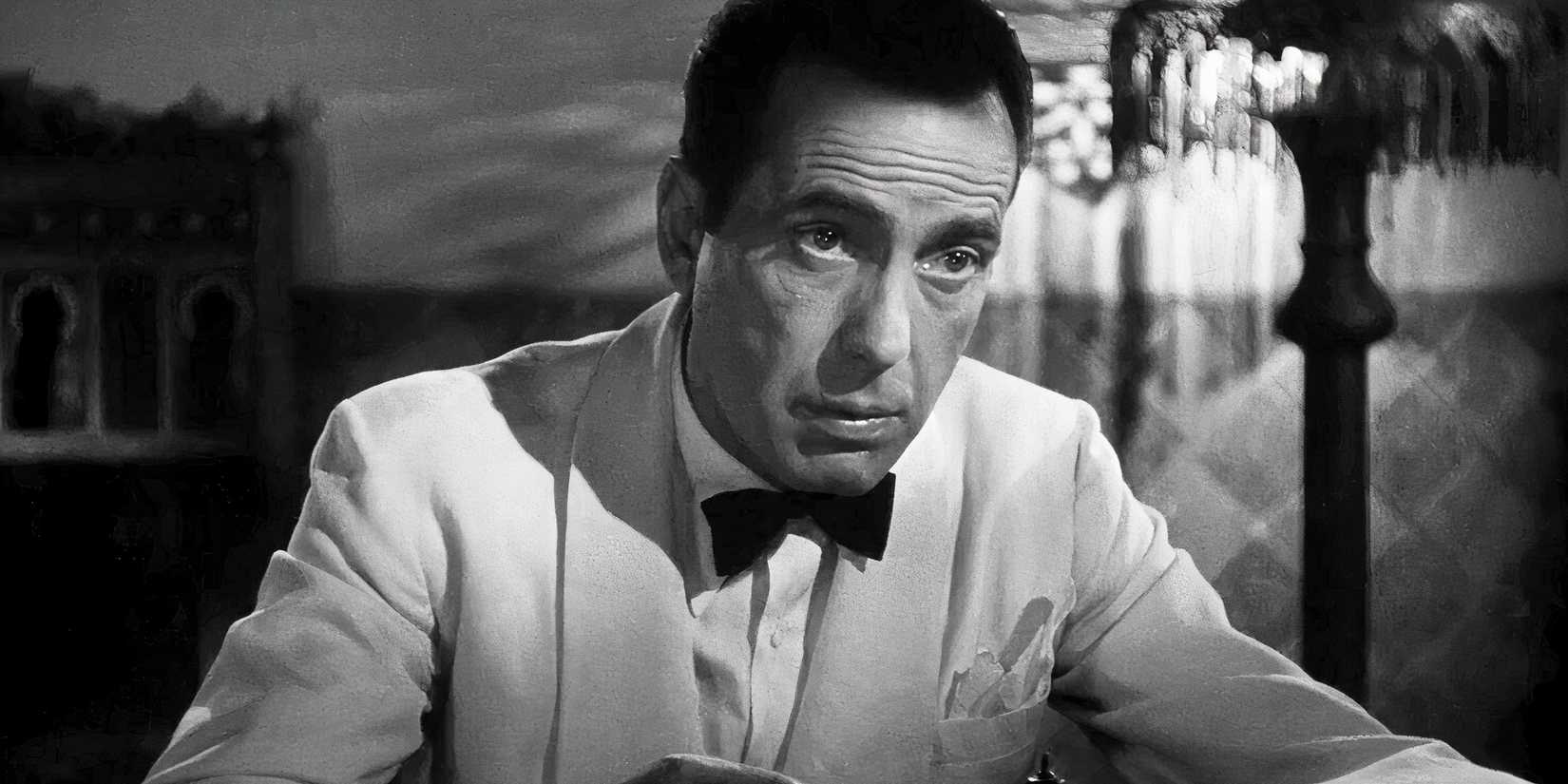
Of all the top ten lists, in all the towns, in all the world, Casablanca walks into Collider's. At the 16th Academy Awards in 1944, this timeless romantic drama by director Michael Curtiz earned eight nominations and walked away with three prizes, including the coveted Best Picture trophy.
Although a stage-crashing incident brought controversy on the night, it was universally agreed that Casablanca was a deserving winner. 84 years later, that universal agreement stands. This remarkable achievement in storytelling captures the wartime zeitgeist and still oozes class and visual excellence today. Arguably the most quotable movie in cinema history, and featuring one of the industry's best endings, nothing from the 1940s comes close to Casablanca's Best Picture win.
3 'The Apartment' (1960)

Few films have as polished a reputation as The Apartment. Directed, produced, and co-written by Billy Wilder, the story of Jack Lemmon's insurance clerk Calvin and his attempts to climb the corporate ladder by letting out his apartment for extramarital affairs is just as enthralling and hilarious today as it was more than six decades ago.
It might have proven scandalous in 1960, but The Apartment shook off conservative outrage to win not just Best Picture, but another four trophies at the 33rd Academy Awards. Sporting timeless comedic performances from Oscar winners Jack Lemmon and Shirley MacLaine, shrewd writing, and gorgeous black-and-white art direction, The Apartment remains, to this day, the quintessential romantic comedy.
2 'The Lord of the Rings: The Return of the King' (2003)

The Academy Awards are most often keen to reward those films that delight the palate of those who consider themselves to have superior film knowledge and taste. Thus, the biggest blockbusters of any given year, regardless of quality, are usually overlooked. However, in 2004, the sheer unrivaled genius of The Lord of the Rings: The Return of the King was impossible to ignore.
The culmination of Peter Jackson's perfect fantasy trilogy won all 11 of its nominations at the Academy Awards, including Best Picture. Making up for snubs for the previous two entries, The Return of the King simply demanded to be rewarded by its sheer cinematic ambition and quality, both in the smallest of details and in the most emotional of vast expressions. No cinematic epic has quite deserved the Best Picture prize as much as The Return of the King.
1 'The Godfather' (1972)
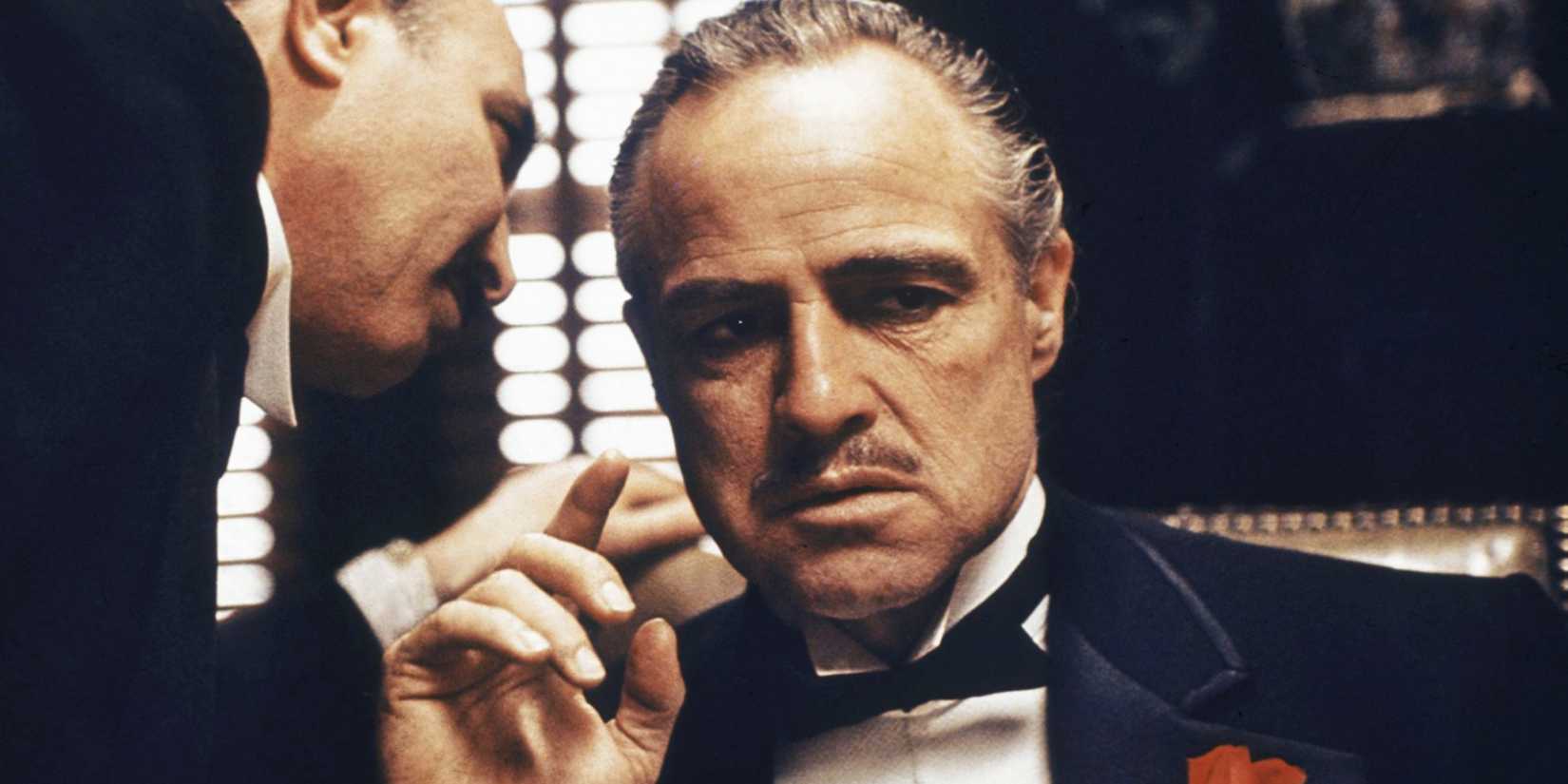
No list of beloved Best Picture winners would be fit for purpose without The Godfather at #1. There is arguably no film more often cited as the pinnacle of cinema, and few could argue with that claim. The epic three-part chronicle of the Corleone family begins with a stunning whirlwind that takes a slow-burn narrative and packs it with the spectrum of human emotion.
To win three Academy Awards (even if one was declined by the recipient) is the stuff of dreams for any filmmaking endeavor. However, it is by no means egregious to suggest that just three wins is a wild underrepresentation of The Godfather's genius. Francis Ford Coppola's masterpiece is perhaps unmatched, although there is, remarkably, often fair suggestion that the sequel might even eclipse this first film. Either way, it deserves to top this list.
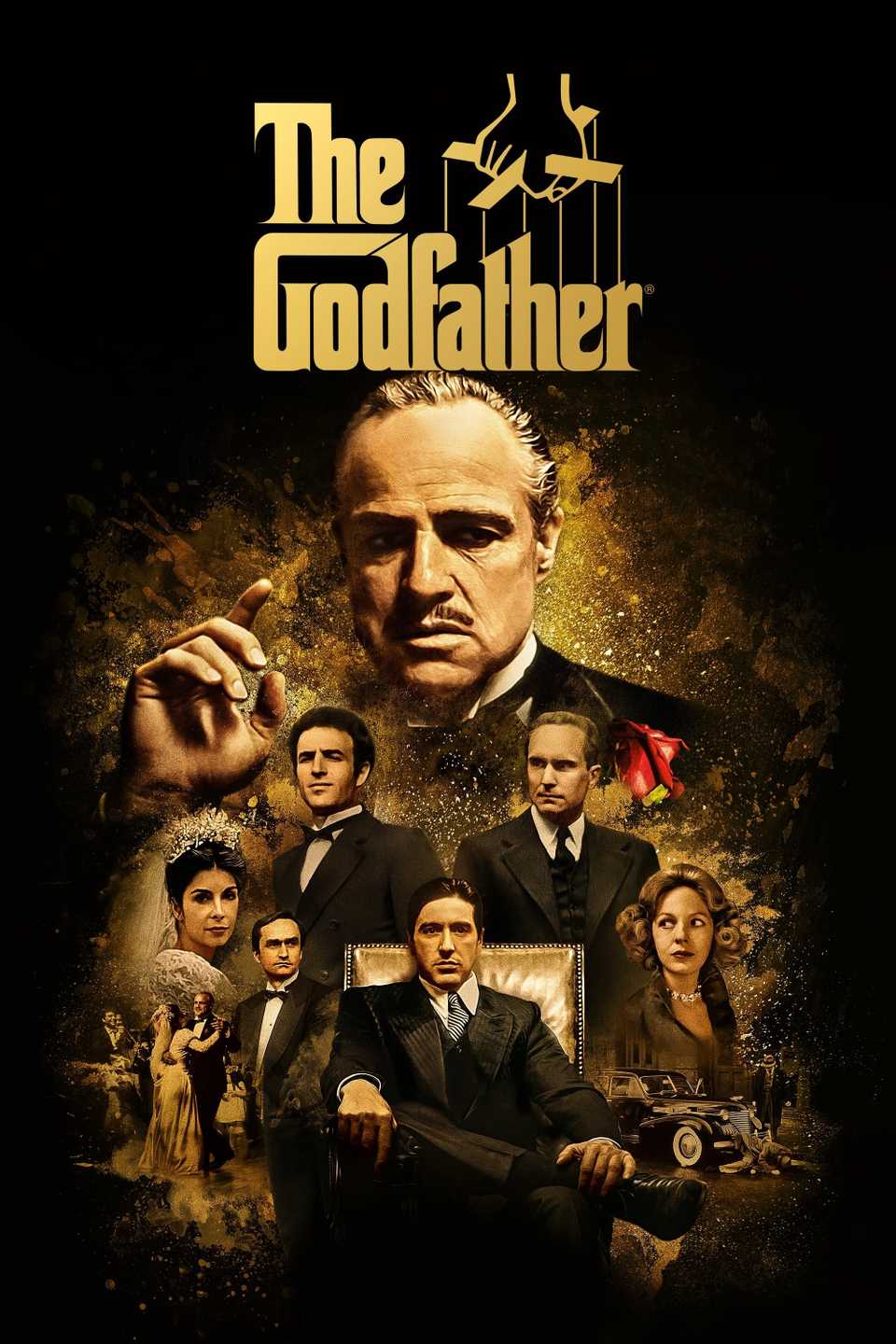
The Godfather
- Release Date
- March 24, 1972
- Cast
- Marlon Brando, Al Pacino, James Caan, Robert Duvall, Richard S. Castellano, Diane Keaton, Talia Shire, Gianni Russo, Sterling Hayden, John Marley, Richard Conte, Al Lettieri, Abe Vigoda, Rudy Bond, Al Martino, Morgana King, Lenny Montana, John Martino, Salvatore Corsitto, Richard Bright, Alex Rocco, Tony Giorgio, Vito Scotti, Tere Livrano
- Runtime
- 175 minutes
- Director
- Francis Ford Coppola
- Writers
- Mario Puzo, Francis Ford Coppola
KioskNews shows a cleaned-up reading view extracted from the publisher’s page — the original always lives on their site, not ours.