Why is Vietnam’s To Lam in Japan? AI, chips and nuclear power
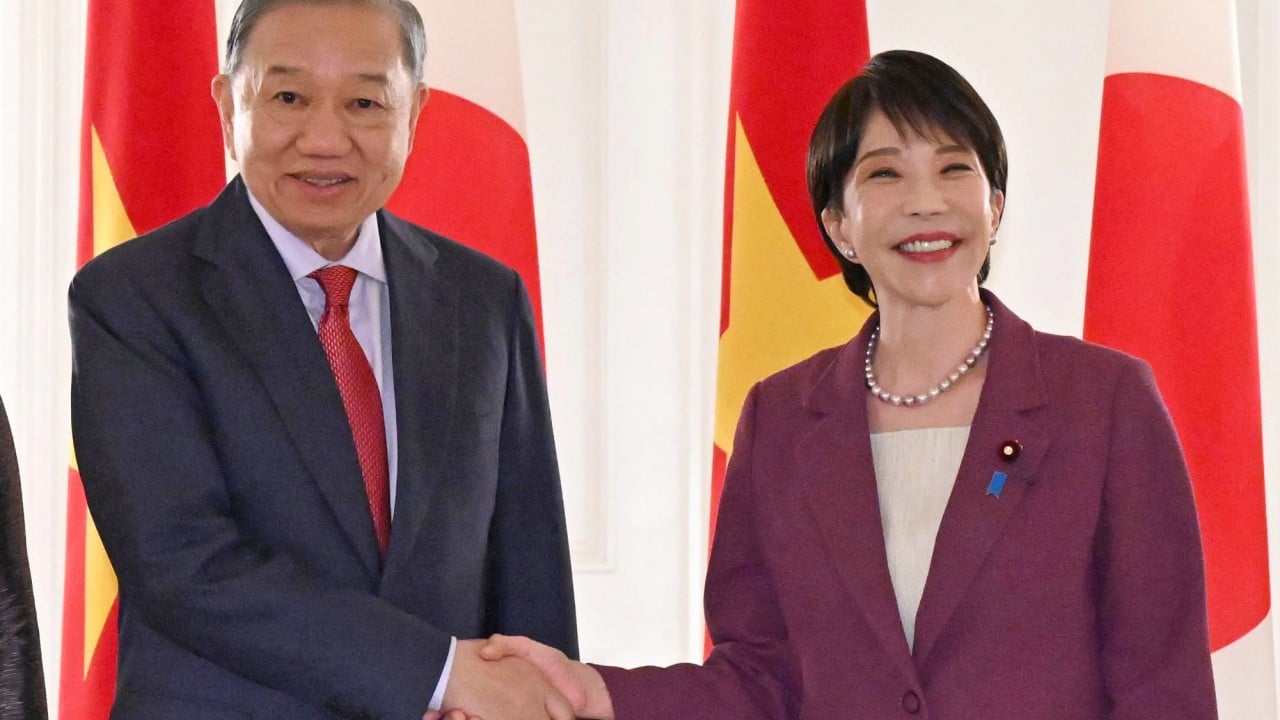
Vietnam’s To Lam is expected to use his visit to Japan this week to expand trade and investment options with Tokyo, especially in technology, amid continued uncertainty surrounding America’s future policy direction.
After talks with Japanese Prime Minister Sanae Takaichi in Tokyo on Monday, the two leaders pledged to speed up public-private cooperation on critical minerals, with a joint statement calling economic security a top priority in bilateral relations and promising deeper cooperation on defence and investment.
Both sides also reiterated the importance of getting Japanese-funded liquefied natural gas and gas-fired power projects up and running quickly, while pledging to push ahead with plans to bring nuclear power to Vietnam.
Takaichi said the Vietnamese president’s four-day official visit, which ends on Wednesday, would allow the countries to “make great strides forward under our comprehensive strategic partnership for peace and prosperity in Asia and the world”. The two countries became comprehensive strategic partners in November 2023.
Lam, who is also general secretary of Vietnam’s ruling Communist Party, called the visit “substantive and extremely fruitful”. The two met for the first time six months ago, when Takaichi visited Vietnam.
Both countries are seeking closer ties amid political and economic pressure from China, such as restrictions on rare earth exports. Beijing also has competing territorial claims with Tokyo in the East China Sea and Hanoi in the South China Sea.
Seiya Sukegawa, a professor of political science and economics at Kokushikan University in Tokyo, said the visit was part of a broader effort on the part of Vietnam “to expand its options for trade, investment and technology cooperation, and to strengthen economic resilience” amid persistent global headwinds.
It comes a week after US President Donald Trump’s Republican Party lost heavily in the US midterm elections, creating a divided government that increases congressional oversight of his foreign policy and paves the way for clashes over tariffs and federal spending.
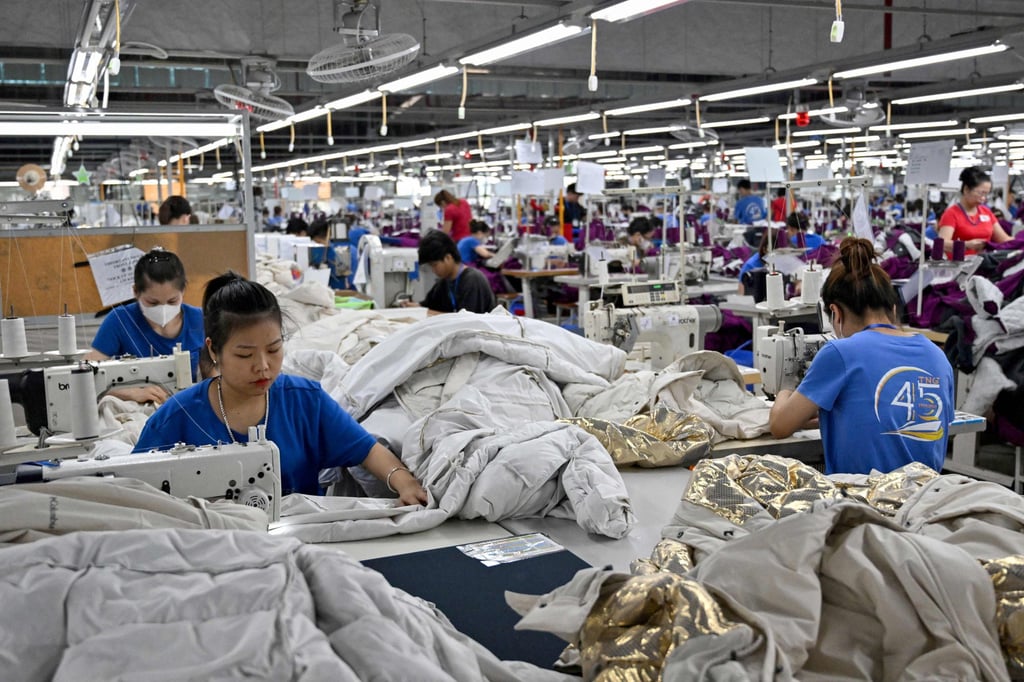
The United States is by far Vietnam’s largest export market, accounting for roughly one-third of all shipments in the first 10 months of this year, according to Vietnamese trade statistics.
But with Washington repeatedly voicing concerns that the Southeast Asian nation could serve as a back door for diverted Chinese exports, Sukegawa said Hanoi needed to diversify its markets while simultaneously expanding production, processing and value creation at home.
“Cooperation with Japan can help Vietnamese companies move beyond assembly and contract manufacturing into process improvement, design support, software development and production-data analysis,” he said.
Vietnam’s rapidly growing and capable IT workforce could handle these higher-value tasks, Sukegawa said, keeping technology and revenue in the country.
Carlyle Thayer, a Southeast Asia specialist and emeritus professor at UNSW Canberra, expects the two countries to focus on three broad areas of collaboration: AI, semiconductors and related joint research; energy and critical minerals; and digital, space and climate cooperation.
He said new research projects would build on the six cooperation agreements signed in May covering digital development, satellite data-sharing, low carbon growth and climate-resilient infrastructure, among other targets.
The focus for Vietnam would be setting priorities for working-level projects that build on existing university partnerships, Thayer said, with the aim of connecting Vietnamese companies to Japanese capital and technology.
“Vietnam has set a priority of developing more capable domestic firms through cooperation agreements with a diversity of partners and supply chains,” he said, adding that the deals made with Japan would mirror those Lam reached on recent trips to Australia and New Zealand, which covered the economy, trade, education, aviation, defence and security.
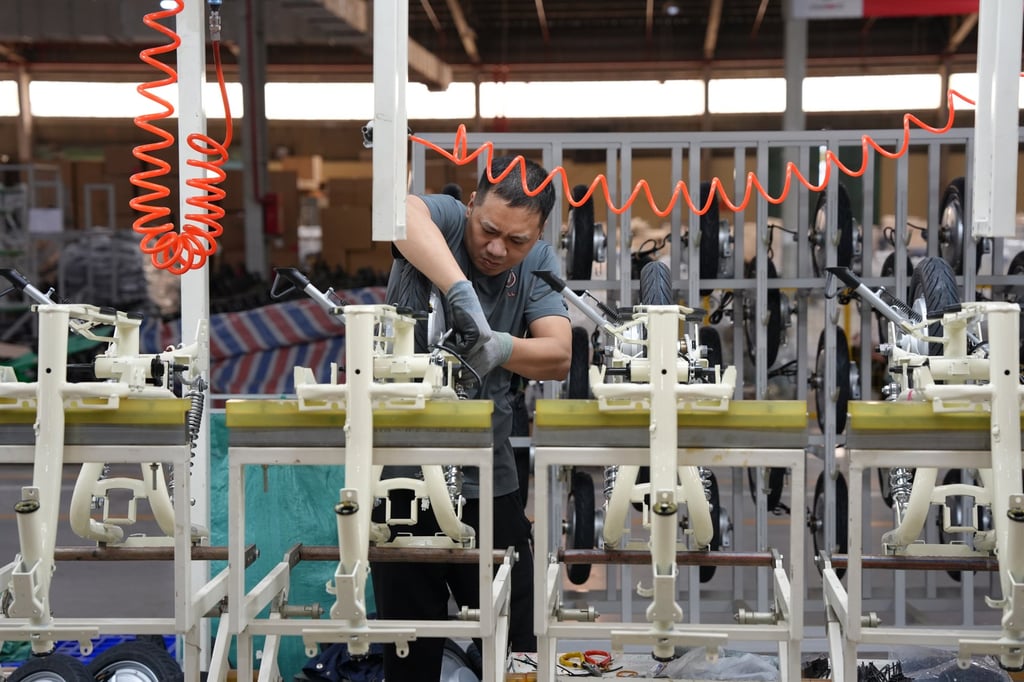
Lam’s Japan trip reflected a shift of focus from solely attracting foreign investment towards jointly building development capacity, said Ha Hoang Hop, chairman of Hanoi-based political think tank VietKnow.
He likewise listed cooperation spanning AI, advanced skills training and clean energy, as well as a long-term framework for compact nuclear power plants known as small modular reactors and stronger links in the semiconductor supply chain.
Ties between the two had grown from aid, infrastructure, factory investment and labour cooperation to cover economic security, innovation, the green transition and security, he said.
“This reflects an increasingly close alignment of interests,” Hop added, noting that both countries also shared an interest in “maritime security and in upholding a rules-based order”, which he defined as including respect for international law, the peaceful settlement of disputes and an open trading environment.
06:13
Race against time: will an ageing population derail Vietnam’s economic boom?
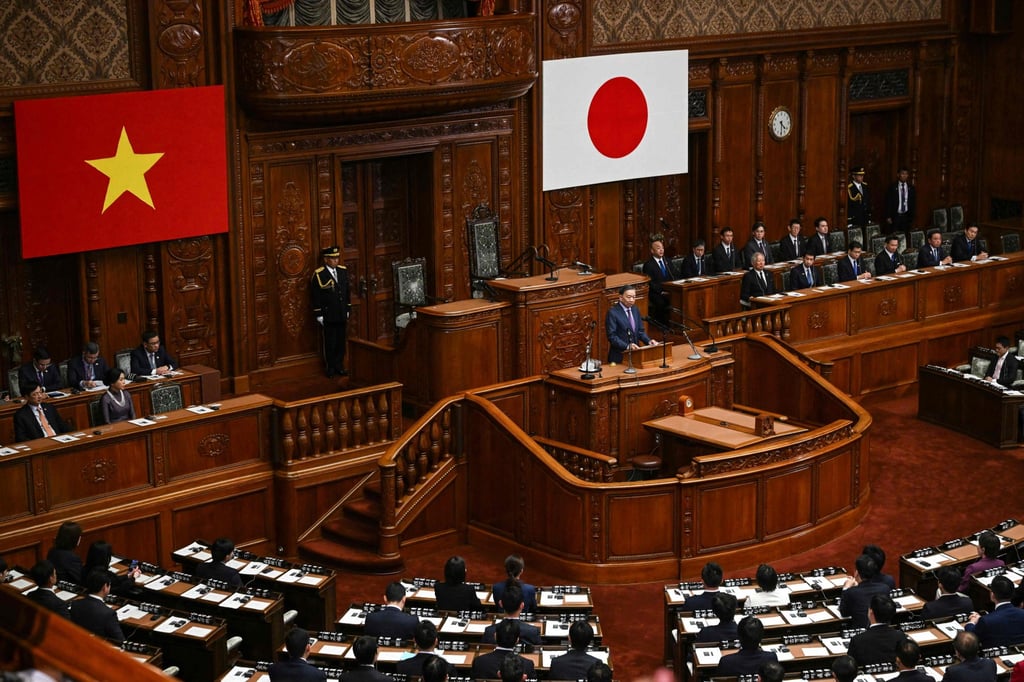
In an address to Japan’s parliament on Monday, Lam called science, technology, innovation and digital transformation key drivers of future development and said Japan was central to them.
He also spoke at a public-private forum on economic and science-technology cooperation and met the heads of major Japanese companies and business bodies.
Sukegawa said this week’s visit should prompt Tokyo and Hanoi to consider how to work more closely together through those bodies, as well as through the Association of Southeast Asian Nations.
“Vietnam should use this opportunity to consider how to strengthen Asean’s role as a middle power and restore its regional negotiating capacity,” he said.
KioskNews shows a cleaned-up reading view extracted from the publisher’s page — the original always lives on their site, not ours.