Hong Kong hospital blames surgeon’s ‘cognitive lapse’ for wrong removal of ovaries
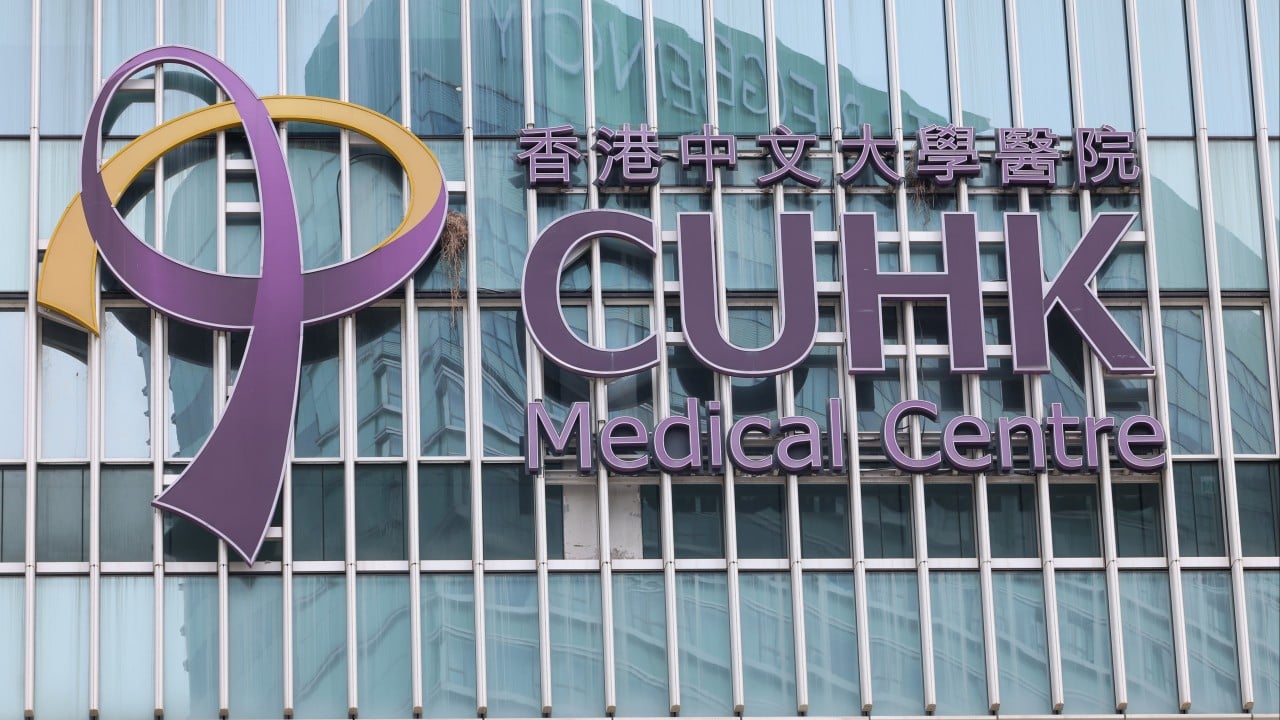
A Hong Kong private hospital has apologised for a medical blunder in which a woman’s ovaries were wrongly removed in a surgery that was meant to take out only her uterus and fallopian tubes.
The Chinese University of Hong Kong (CUHK) Medical Centre apologised on Tuesday, a day after the Department of Health disclosed the incident in its monthly list of sentinel events in private hospitals.
Without naming the hospital, the department stated earlier that a 45-year-old female patient had both of her ovaries “inadvertently removed” while undergoing a minimally invasive surgery to remove her uterus and fallopian tubes.
A source said CUHK Medical Centre, a private teaching hospital in Sha Tin, was the healthcare facility involved.
A health department spokesman said it had received a sentinel event report from a private hospital on September 13. The patient was in stable condition following the incident.
“There was no evidence showing that the hospital had breached the code of practice requirements on premises, staffing or equipment in a way that led to the sentinel event,” the spokesman added.
CUHK Medical Centre said it was “highly concerned” about the incident and had reported it to the health department as required for a sentinel event, which is defined by the Hospital Authority as “an unexpected occurrence involving death or serious physical or psychological injury, or the risk thereof”.

“The hospital has apologised and explained the incident to the patient and their family members, and would provide appropriate medical follow-up and support,” CUHK Medical Centre added.
“The hospital has conducted a comprehensive review of the incident, and will implement appropriate follow-up and improvement measures based on the findings.”
It remained unclear whether the patient’s uterus and fallopian tubes were removed as planned.
Speaking to a radio programme on Tuesday morning, Dr Yu Kai-man, a specialist in obstetrics and gynaecology, said that under normal conditions, surgeons are unlikely to mistake an ovary for a fallopian tube, as the organs differ in shape, colour and position.
“But if the ovary, fallopian tube and uterus are stuck together due to adhesion, it can be difficult to distinguish them during surgery,” he said, referring to the medical condition when a band of scar-like tissue forms between two internal body surfaces or organs, causing them to stick together.
Yu explained that some abnormalities could be detected before an operation and that “doctors should explain the potential risks and complications to patients beforehand.”
He added that the removal of both ovaries could cause a sudden drop in a woman’s hormone levels, triggering more severe menopausal symptoms.
Patients could consider hormone replacement therapy to alleviate these symptoms, according to Yu, although he cautioned that this could slightly increase the risks of breast cancer and cardiovascular disease and therefore required careful assessment.
KioskNews shows a cleaned-up reading view extracted from the publisher’s page — the original always lives on their site, not ours.