Netflix’s ‘East of Eden’ Stars Were “Terrified” To Take on Two Iconic Characters

Greer Riddell is a London-based culture journalist and critic writing on film, television, audience behaviour, and the wider media industry. She is a Writer and Social Media Coordinator at Collider and TV Editor at FILMHOUNDS.
Her recent collaborations include Netflix, Warner Bros., DC Studios, Hulu, and Disney+, producing features on titles including Saturday Night Live UK, Severance, Sitcoms, Buffy the Vampire Slayer, and Stranger Things. Her recent reviews include Peaky Blinders: The Immortal Man, Stranger Things: Tales From ‘85’, Scrubs Season 10, and The Boroughs. Her work has also included coverage of UK film festivals and features published in Film Stories Magazine.
Summary
- In an interview with Collider, Hoon Lee explains why his character becomes a devoted father figure to Cal and Aron despite having no blood ties to them.
- Joseph Zada and Joe Anders reveal how their real friendship and shared fears about adapting Steinbeck shaped the brothers’ onscreen rivalry.
- Zada and Anders discuss finding their characters’ distinct identities while drawing inspiration from Florence Pugh and Christopher Abbott.
Bringing John Steinbeck’s classic East of Eden to Netflix comes with the challenge of making a story that has already existed in culture and classrooms for decades feel fresh for 2026. For Hoon Lee, Joseph Zada, and Joe Anders, much of that comes down to the authentic relationships at the center of the story.
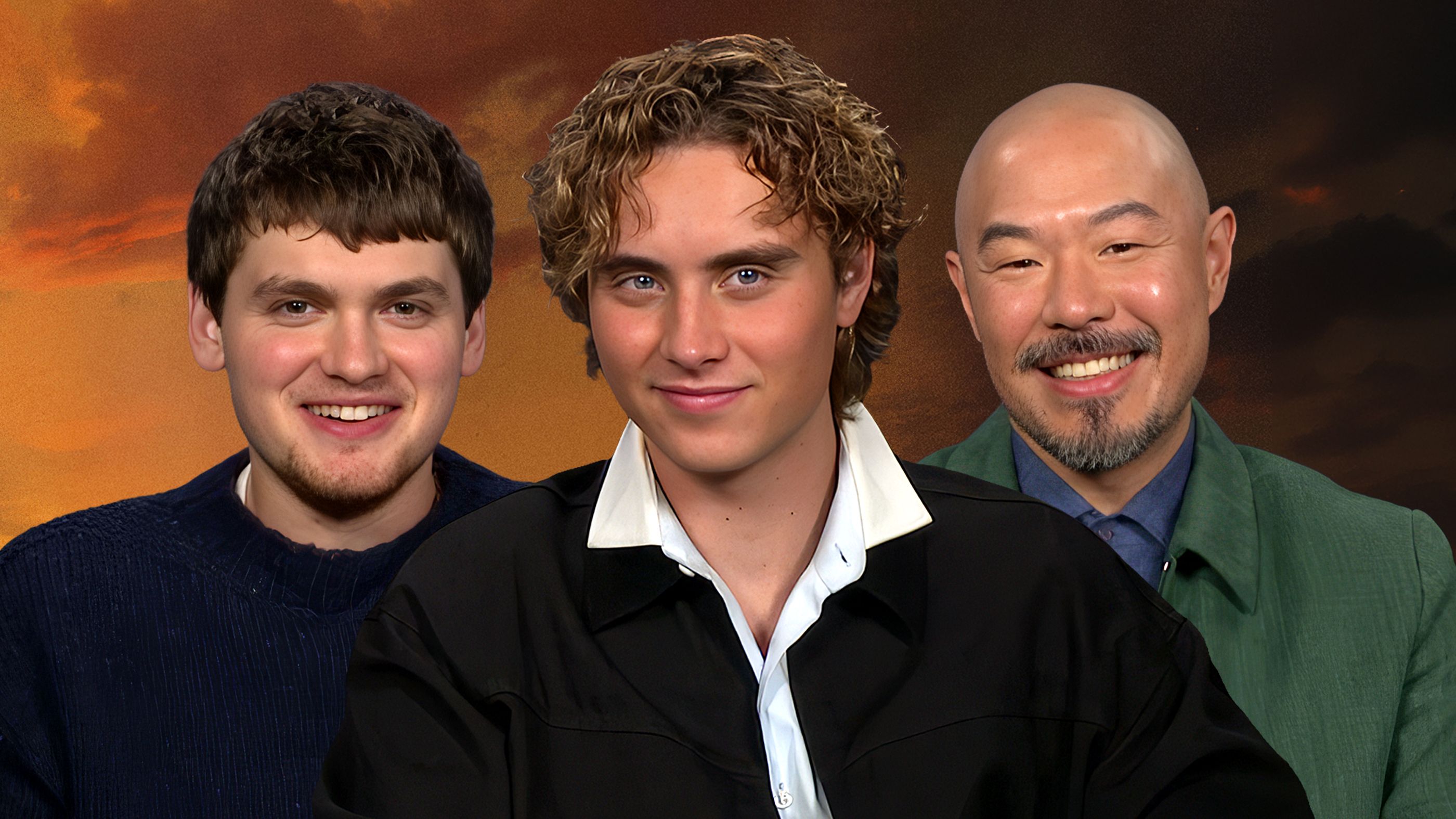
Zada and Anders play East of Eden’s second generation of brothers, Cal and Aron, and share a complicated bond that mirrors that of their father and uncle — Adam (Christopher Abbott) and Charles (Mike Faist). Hoon Lee’s character, who is also called Lee, brings light to the darkness of East of Eden, where he shows an unmatched devotion to the Trask family as their housekeeper despite not being a blood relative. Speaking about their characters to Collider, the three actors revealed how much of the series’ emotional connection comes from the relationships they developed both on and off-screen.
Hoon Lee Explains Why Lee Could Never Abandon the Trask Boys
Lee explains why walking away would mean “abandoning these babies into the wilderness.”

Although Lee has no biological connection to the Trask family, his position within it becomes increasingly important as the story unfolds. He sees Adam’s devotion to Cathy (Florence Pugh) despite her selfish personality, and when she leaves, Lee steps up as a father figure to their twin boys. He then stays with the Trask family for decades, providing Cal and Aron with teaching, emotional support, and love. For Hoon Lee, the reason is rooted in the idea that once you have been allowed into someone’s life and invested yourself in their circumstances, it becomes difficult to simply walk away. The actor explains that when “you are sort of allowed to put your stamp on the situation” and “dedicate a portion of your heart and your soul to it,” “it’s inevitable that you … feel tied to it, bound to it.”
Lee’s attachment to the boys is a form of kinship, as Hoon Lee notes that his character was “present for the birth of these boys.” He knows their father’s mistakes could be repeated and understands the circumstances into which they have been born. When the family moves from the countryside into town, Adam relieves Lee of his duties, but Lee returns, unable to leave the children he adores without someone to care for them. As Hoon Lee puts it, if his character were to step away, “he would in essence be abandoning these babies into the wilderness.”
That sense of responsibility becomes central to how Lee approaches his role as a father figure. Rather than seeing his role as something he has been given formally, he responds to the needs of the children and wants to “provide succor and comfort to people that need it.” His understanding of what the boys need is summed up by one of his lines in the series: “The greatest fear that a child has is that he won't be loved. Rejection is the hell that he fears.” Lee cannot bring himself to subject Cal and Aron to it. “And that says a lot about his humanity,” Hoon Lee concludes.
‘East of Eden’s Brotherly Rivalry Began With an Instant Friendship
Zada and Anders bonded over friendship, competition, and the fear of getting Steinbeck wrong.
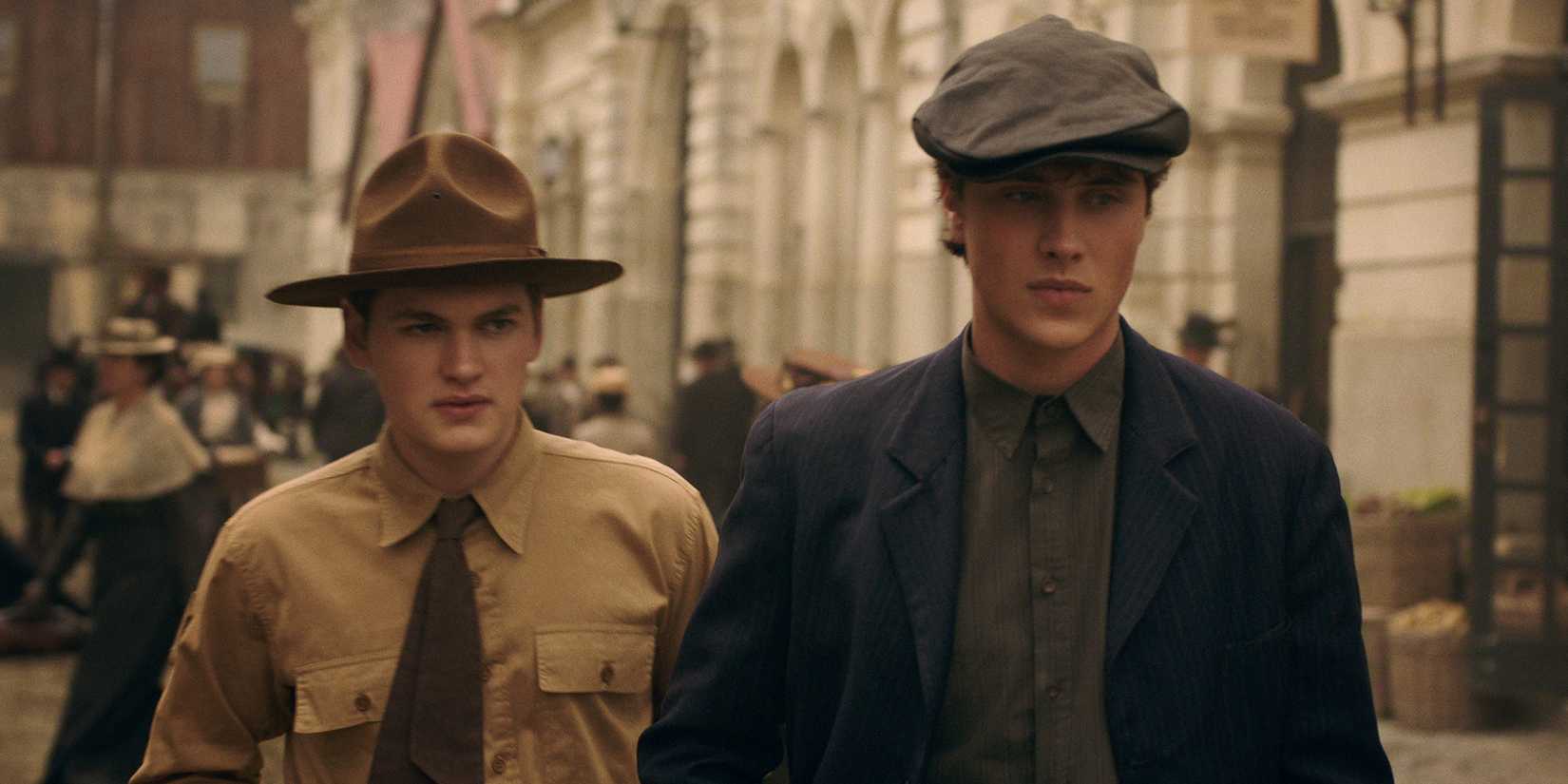
The key to the authentic fraternal bond we see between Cal and Aron is that Zada and Anders did not have to manufacture their chemistry for East of Eden. When asked how they made the brothers’ rivalry feel so natural, their immediate response was “Just deep-seated hatred of each other!” Zada also joked that it was about “Just wanting to be better than Joe every day and proving it in every scene.” Perhaps their competitive energy is not just present when the camera is rolling!
Zada says the pair were “really close off the rip” with Anders sharing that they had “a really natural relationship when we first met each other.” That gave them an instinctive understanding of how to play off one another, which is important for two characters whose relationship is constantly shifting between brotherly love and burning competition.
There was also a shared sense of pressure starring in East of Eden that brought them together. Both knew they were taking on an “unbelievable” story and “such unbelievable characters” and admitted to being “terrified” about getting it wrong. They had “extensive conversations and freak-outs” about trying to do the material justice, while worrying about whether they would “make fools of ourselves” or “end our own careers.” That preparation meant they understood the significance of Cal and Aron's dynamic and were aligned on the relationship they wanted to portray.
A combination of genuine friendship, competition, and preparation gives Cal and Aron’s rivalry its sincerity. Zada and Anders knew each other well enough to anticipate how the other would react, allowing the tension between the brothers to build from their performances as well as the script.
Playing Florence Pugh’s Sons Meant Finding Their Own Way Into ‘East of Eden’
Playing Pugh and Abbott’s sons inspired dedication without imitation.
The younger generation of East of Eden had the difficult task of following performances from Abbott and Pugh, but Zada and Anders did not approach Cal and Aron simply by trying to recreate what came before them. Anders describes his onscreen parents as “unbelievable performers and artists” and says it was “unbelievable to be able to share any kind of creative space with either of them.” Rather than making them feel intimidated, the pressure of having such accomplished actors playing their parents pushed them towards an “extreme dedication” to making their own characters feel “real” and “true.”
Zada, however, was more interested in looking at the younger versions of the characters when preparing for his role. Reading the early episodes and studying Cathy, Adam and Charles helped inform his understanding of the family, but he was conscious that Cal and Aron already had their own identities to explore. “You’re doing your own thing. You’re serving your own text and your own character,” he explains. There was a point where looking too closely at the previous generation risked “muddying” what he had already found in Cal.
Zada feels that Cal carries much of the family’s history within him, whereas Aron enters the world of East of Eden with a much more open perspective. Aron’s outlook is “positive and hopeful about the future” and has a “freshness” that remains throughout much of the story. Rather than borrowing too heavily from the surrounding performances, Anders wanted to focus on Aron’s own “specific position and outlook on the world.”
Hoon Lee suggests that some of the similarities between the generations come less from the younger actors consciously mirroring the older ones and more from the casting itself. He credits Ellen Lewis’ team with not only matching the right “actor to role” but creating “a cohesive company of personalities.” The result, he says, is “an extremely harmonious group," allowing the connections between the generations to emerge naturally without the younger performances having to directly imitate what came before.
East of Eden is now streaming on Netflix.

- Release Date
- 2026 - 2026-00-00
- Network
- Netflix
- Directors
- Garth Davis
KioskNews shows a cleaned-up reading view extracted from the publisher’s page — the original always lives on their site, not ours.