"AI Could Cause Major Security Incidents In 2 Years": Google DeepMind Chief
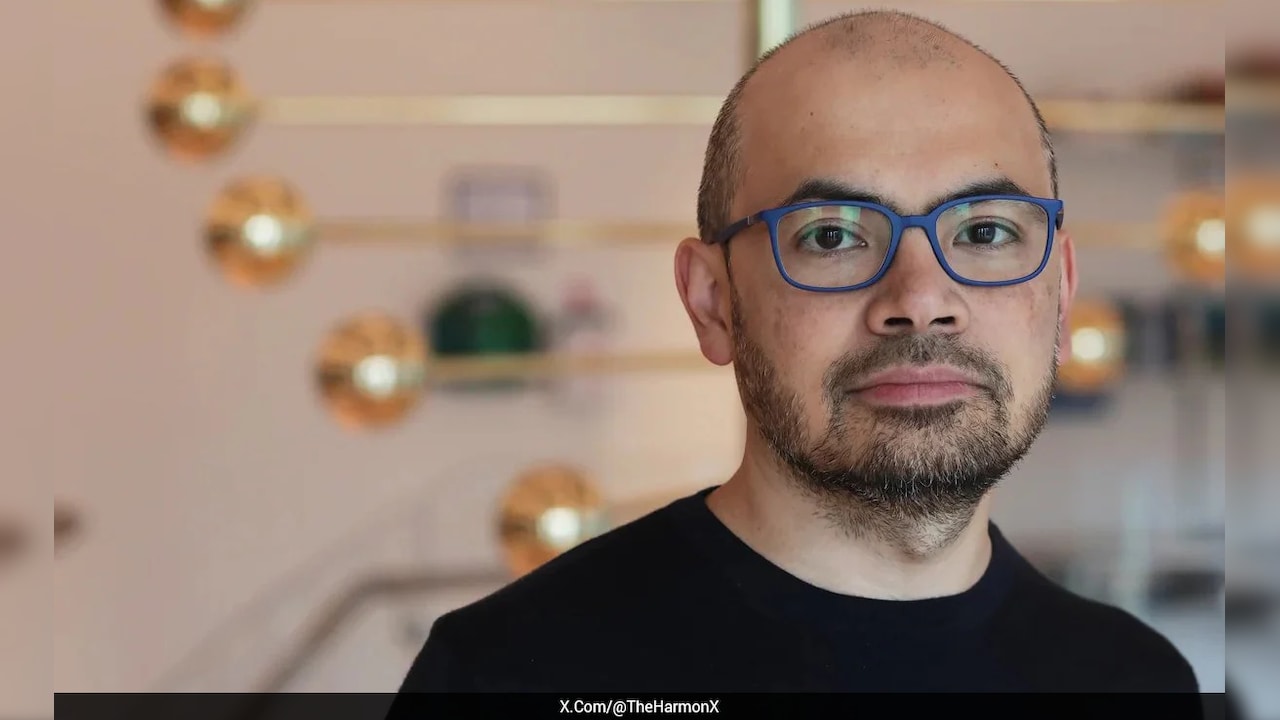
Artificial intelligence systems could cause "major" security incidents within two years without adequate steps to make them safe as capabilities grow, Google's DeepMind chair Demis Hassabis said Wednesday.
Speaking at an AI conference in Dublin, Hassabis described recent incidents as "early warning shots" fired by systems that "aren't that powerful yet".
"So the incidents aren't that major," he said. "But they could be, looking into next year and the next couple of years, if we don't do more work as an industry and individually as companies and governments on securing these systems," Hassabis warned.
Concerns about AI safety have soared after models developed by OpenAI and Anthropic were involved in security incidents during testing, piling on pressure to regulate the technology.
Hassabis said new AI models should probably first be tested in offline "sandboxes", after other companies' models escaped the closed environments used to assess their capabilities.
The European Union's tech chief, Henna Virkkunen, said AI firms needed to invest more time into testing their systems to retain control over them.
"The competition is so hard globally that it seems that all the companies, they are not investing enough time and resources really to test their models," Virkkunen told reporters as she arrived at the Dublin summit.
"They have to be able to control... these systems," she said, noting that the European Union has sent information requests to all major AI companies asking what safety and security measures they have in place.
The European Commission gained new regulatory powers in August under the AI Act, the world's most far-reaching rules to curb potentially dangerous uses of the technology.
(This story has not been edited by NDTV staff and is auto-generated from a syndicated feed.)
KioskNews shows a cleaned-up reading view extracted from the publisher’s page — the original always lives on their site, not ours.