China’s hotel room rates disappoint during ‘golden week’ despite tourism boom
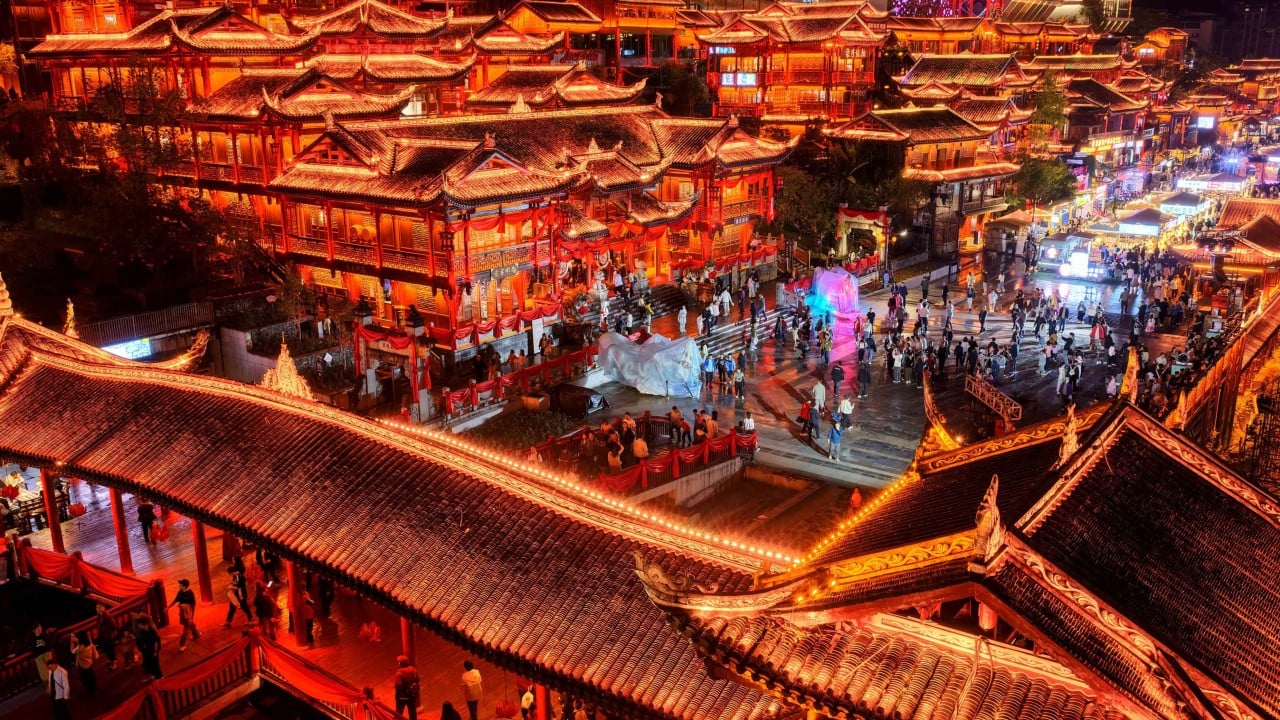
Hotel room rates across mainland China fell short of expectations during the National Day “golden week” holiday despite a tourism boom, as company officials and analysts called for stronger asset and revenue management to ease pricing pressure.
Hotel tariffs remained largely unchanged from the previous month between October 1 and 7, even as bookings jumped, according to executives at hotel operators and travel agencies.
“The days when hotels and resorts could expect a windfall during the week-long holiday are history,” said Li Wenjie, CEO of Shanghai Yaheng International Travel. “Middle-income tourists are no longer willing to spend freely on accommodation.”
The subdued performance stood in stark contrast to the surge in room prices seen three years ago after Beijing lifted its zero-Covid-19 policy. During the 2023 National Day holiday, some hotel operators inflated rates to as much as 10 times their average levels.
“New supply, measured corporate travel and outbound tourism are somewhat eroding room rates,” said Zhou Tao, head of hotels and hospitality at JLL in China.
“Operators should adopt total-revenue management, price around events and peak periods, and diversify into local, MICE [meetings, incentives, conferences and exhibitions] and extended-stay demand.”
Some hotels in China were also burdened by outdated designs that no longer met the needs of today’s travellers, he added.
Leading hospitality groups from Hilton to Shangri-La have been doubling down on lifestyle brands over the past two years to cater to mainland tourists’ growing appetite for personalised and culturally immersive experiences, helping support room rates and occupancy.
Last year, Shangri-La launched its super-luxury hotel brand, Shangri-La Signatures, in China, combining cultural heritage and nature to attract wealthy tourists with unique experiences.
In July, Hilton introduced its Tempo brand to China. Alan Watts, the group’s president for the Asia-Pacific region, said the move would help hotel owners capture growing demand for lifestyle-oriented hospitality through a scalable business model.
Last month, Herman Chui, senior director of office, hotel and residence at Hong Kong developer Hang Lung Properties, said modern hotels should offer guests more personalised experiences, from selecting in-room amenities like teapots to allowing them to bring along their pets.
“Refurbishment should follow a clear target-segment strategy rather than a generic upgrade, with labour, energy and procurement costs aligned to demand,” Zhou of JLL said.
“Professional asset management is required to implement [strategic] repositioning, rebranding and renovation to achieve rejuvenation with better and healthier performance as well as asset value for hotels.”
There are signs of hope for the sector. Analysts said events could generate concentrated, date-specific demand from cross-city visitors, giving venue-adjacent hotels greater pricing power.
As a prime test case, Shanghai will kick off the 25th China Shanghai International Arts Festival (CSIAF) on October 17 to attract visitors from around the globe.
The month-long grand cultural event will feature about 400 programmes and more than 1,100 performances.
Highlights include the Shanghai debut of Dance Reflections by Van Cleef & Arpels, appearances by Grammy Award-winning Chinese composer Tan Dun, and the “Focus on Germany” cultural week showcasing German classical arts.
“The festival will enable Shanghai to truly earn its status as a premier global destination for the performing arts,” said Li Ming, president of the CSIAF. “It will be a festival filled with top-notch artists and performances.”
KioskNews shows a cleaned-up reading view extracted from the publisher’s page — the original always lives on their site, not ours.