New Air India chief is a high flier, but can he replicate Ethiopian success?
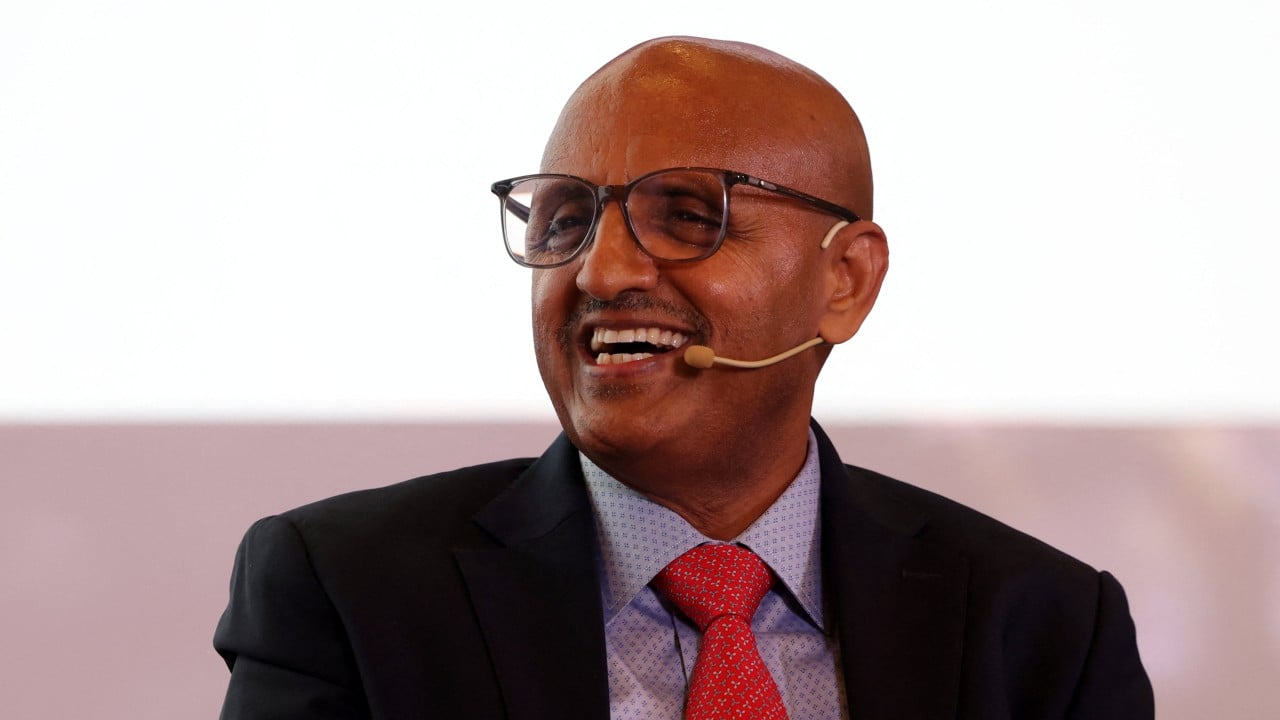
Air India’s new CEO, Tewolde Gebremariam, is drawing on his experience revitalising Ethiopian Airlines to turn around the unprofitable Indian carrier, as aviation analysts say replicating his success with a far more complex airline would be difficult.
Barely a month into the job, the Ethiopian has set about cutting costs and rebalancing the airline’s international network, seeking to restore profitability while pursuing an ambitious expansion strategy.
His plans include shifting more flights to Europe and North America from New Delhi to Mumbai to reduce the impact of Pakistan’s airspace restrictions while exploring Bengaluru as a possible third international hub.
With billions of dollars in losses, soaring fuel costs and an enormous aircraft order to finance, the aviation industry veteran has a short runway to deliver the operational improvements and financial recovery that have eluded Air India since its return to private ownership in 2022.
The airline is attempting the turnaround in a challenging environment. Pakistan’s airspace has remained closed to Indian carriers since a war between the two countries last year, forcing longer flight routes to the United Kingdom and North America.
The prolonged ban is estimated to have caused millions of dollars in losses for Air India as it competes against foreign carriers, including Middle Eastern airlines such as Emirates and Etihad. Yet Gebremariam is hopeful that Air India could return to profitability “very soon”.
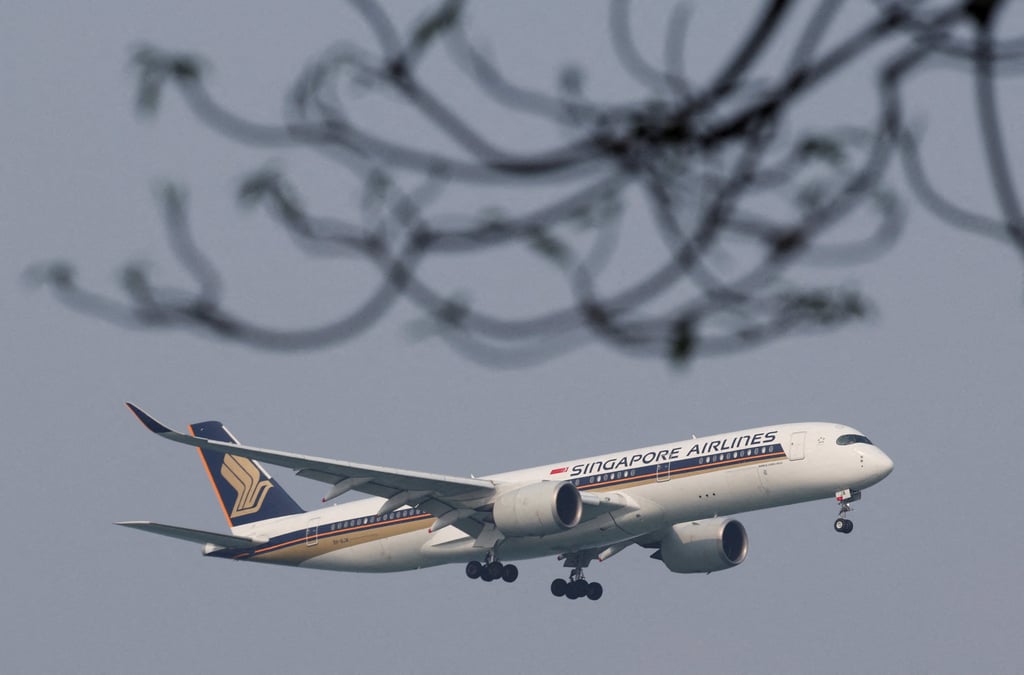
The stakes are high because Air India’s turnaround is pivotal to the global ambitions of India’s aviation sector. Its success also matters to Singapore Airlines, which holds a 25.1 per cent stake and has seen its earnings weighed down by the Indian carrier’s losses.
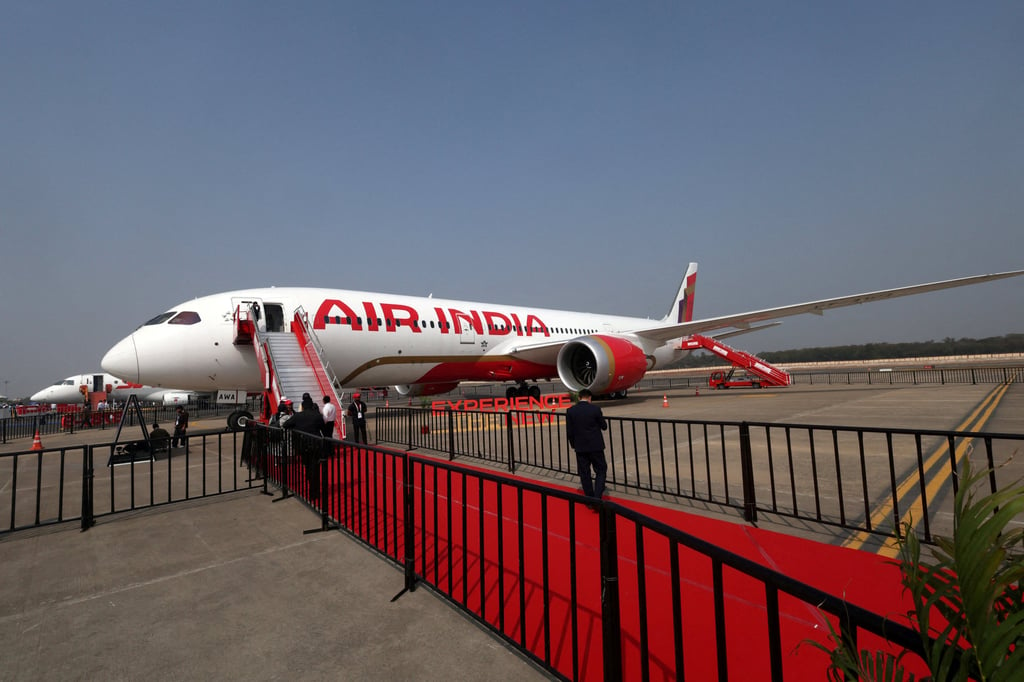
Ground up
“What this guy is doing is undoing a lot of garbage and mess that was there before,” said Mark Martin, CEO of aviation consultancy Martin Consulting.
Gebremariam seems to be replicating his experience with the Ethiopian airline, combining good aircraft and customer service with high reliability, according to Martin.
His operating style contrasts with that of his predecessor, Campbell Wilson, who led a comprehensive rebranding of the airline, including new crew uniforms. “He is shaping the airline from the ground up and not focused on cosmetic improvement. It is something which should have been done from the start, the moment the Tatas regained ownership,” Martin said.
After 69 years under government control, the airline’s management changed back to its original owners, the Tata Group, in 2022. “Air India had been under government ownership for more than 60 years. It means you need to fix the foundation first before you put the lights on the building,” Martin said.
Air India reported a consolidated net loss of US$2.43 billion in the financial year that ended in March, partly because of geopolitical hurdles as well as the crash of a Boeing 787 jet last year. That accident might have been averted if the management had focused more on core challenges such as maintenance and improving fleet reliability, Martin said.
01:04
Families wait for answers one year after an Air India crash left 260 dead
The new CEO would need to be prepared for not only challenges within the airline but also dealing with possible resistance from the Tata board, he added. The group’s top management is facing governance disputes since former chairman Ratan Tata, who took keen interest in the airlines, died in 2024.
A year after returning to the Tata Group, Air India placed orders with Airbus and Boeing for 470 aircraft, later expanding the order to 600. That includes 80 widebody jets that are usually used for long-haul flights – 10 of which have been delivered. The jets will play a big role in Gabremariam’s plans to expand the airline’s international network.
Air India’s heavy losses previously sparked a prominent debate and raised questions in Singapore – including a parliamentary exchange. Singapore Airlines said on Wednesday that its share of Air India’s losses had narrowed to S$361.7 million (US$282 million) in the six months to September, from S$429.5 million a year earlier, easing concerns over the financial impact of its investment in the Indian carrier.
Under Gabremariam, Air India could break even in seven to nine years, Martin estimated, adding that profitability was unlikely to come sooner given the expense of its massive aircraft order.
Vast restructuring
“The new Air India CEO is trying to bring the cost base down and of course look at new revenue streams,” said Mayur Patel, regional commercial and industry affairs leader for Asia-Pacific, Middle East and Africa at aviation analytics firm OAG.
“These are easy to say but difficult to do. Managing each component requires significant detail, many challenges and coordination, which could mean vast restructuring of all sorts.”
And the Ethiopian Airlines’ operational success may not provide an accurate comparison for Air India.
“What people have not really realised is that [Gebremariam] could transform Ethiopian Airlines by building on the strength of a small network, being innovative and adding new aircraft to offer non-stop flights from Ethiopia,” Patel said. “When dealing with a large network such as Air India’s, the complexity is harder to bring about a transformation.”
The airline would have to also contend with a fierce domestic competitor Indigo, India’s largest by passenger volume.
Indigo held a 65 per cent domestic market share in August and Air India’s stood at 26.7 per cent, according to data from India’s Directorate General of Civil Aviation.
Air India operates a fleet of around 177 to 189 aircraft. Together with its low-cost subsidiary, Air India Express, it serves over 80 domestic and international destinations.
Gary Bowerman, an Asia travel, tourism and consumer analyst, said Gebremariam’s strategy reflected both the airline’s and the Indian government’s ambitious goals for the sector.
“The high-wire balancing act he has to deliver is extremely interesting – to improve revenues and yields while restructuring operations and removing debilitating cost factors. That in essence is the classic case-study business turnaround scenario that either makes or breaks a CEO’s reputation,” he said.
KioskNews shows a cleaned-up reading view extracted from the publisher’s page — the original always lives on their site, not ours.