8 Movie Trilogies Where the Third Film Is the Best

Michael Block is a 14 time GLAM Award nominated writer, producer, and host of the podcast Block Talk. Throughout his time in the entertainment industry, he has worked on and off Broadway as a stage manager, written several produced plays, critiqued hundreds of theatrical performances, drag and cabaret shows, and has produced events randing from drag competitoons to variety concerts!
On Block Talk, he interviews nightlife personalities, covers the wide world of entertainment through features, ranking episodes, and recaps ALL of Drag Race, as well as Dragula and Survivor. He has interviewed hundreds of RuGirls that span the globe at DragCon NYC, DragCon LA, and DragCon UK.
In his free time, he makes one-of-a-kind jewelry and gift baskets with his mom. He is a proud member of the LGBTQ+ community.
Sign in to your Collider account
The brilliance of a movie trilogy is the ability to spend more time with your favorite characters as played by your favorite stars. Whether inspired by other source material or a completely original idea, movie trilogies can expand and explore in ways single films cannot. It's a common trend for the first film to be the best, but a handful of films peak at the end. These eight are proof.
The eight films in these trilogies are simply sublime. From wrapping up a story perfectly to learning from the mistakes of the first two, the third films cap off a worthwhile viewing experience. The films on this list span genres and eras, but they unite in their overall brilliance. There are certainly great entries within each trilogy, but number three is simply the best.
1 'Before Midnight' (2013)
Before Trilogy

Not all trilogies must be box office blockbusters. Such is the case for Richard Linklater’s mystifying Before Trilogy. The three films follow a romantic relationship between Jesse (Ethan Hawke), an American tourist, and Céline (Julie Delpy), a French student, over nearly two decades. Spread across three films released nine years apart, the trilogy depicts what might be, what could be, and what is. All three films live on their own, yet flourish individually. It's Before Midnight is the trilogy's ultimate film. The final film follows the longtime pair during the last hours of their summer vacation in Greece as they confront the familiar strains, compromises, and realities of long-term love.
For those who have followed Jesse and Céline on their journey, the final film trades youthful idealism for a high-stakes examination of long-term relationships and their consequences. By no means is their love a fairytale. It’s gone way beyond the honeymoon phase. And for that, it’s a truly honest and tender story. Before Midnight tasks the pair with deciding whether the woes of marriage are worth the strife. And they know it is. The film proves love can win if you believe in it hard enough. With the stakes higher than ever, Before Midnight marks a perfectly emotional conclusion.
2 'The Bourne Ultimatum' (2007)
Bourne Trilogy
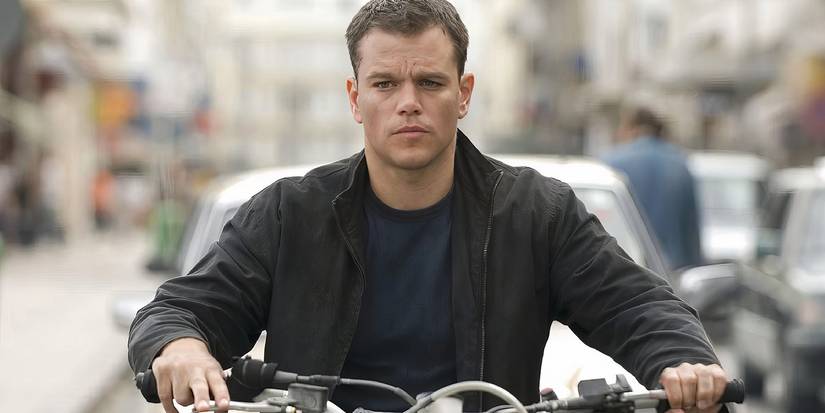
The Bourne Trilogy revitalized the action thriller in the 21st century. Bringing Robert Ludlum’s stories to the big screen, the main trilogy sees Matt Damon as Jason Bourne, a former CIA assassin with amnesia who tries to piece together his past while surviving attempts on his life by his own agency. Through the three films, Bourne is back in action as he searches for his identity, fights the system, and reclaims his past. While the first film established the action universe, The Bourne Ultimatum proved peak Bourne, both in film and character. The final film in the main trilogy watches as Bourne, wounded from his escape in Russia, races across the globe to uncover his true identity and expose a covert CIA assassination program called Blackbriar. A brutal, action-packed flick, The Bourne Ultimatum is the most mature thriller.
The Bourne Ultimatum effortlessly delivers a thrilling narrative climax, resolves the core amnesia mystery, and perfects the franchise's signature gritty action style. The story follows the final reckoning as it exposes the corrupt black-ops infrastructure to the public, making the three-part journey worthwhile. Director Paul Greengrass perfects his kinetic filming style, giving the Waterloo Station and Tangier foot chases an immersive experience. By lining up with The Bourne Supremacy, the film keeps the momentum fervently relentless, upping the stakes from the middle film. As the franchise moved into legacy territory after this film, The Bourne Ultimatum was the ultimate adventure.
3 'The Good, the Bad, and the Ugly' (1966)
Dollars Trilogy

Tied together by theme, Sergio Leone’s Dollars Trilogy is how the Western genre was won. The gritty Spaghetti Westerns replace clean-cut Hollywood heroes with morally gray characters, raw violence, intense close-up shots, and vast, dusty landscapes. With Clint Eastwood at the center of the stories, the trilogy rose to prominence thanks to its final part, The Good, the Bad, and the Ugly. The film follows three morally ambiguous gunslingers—Blondie (Eastwood), Angel Eyes (Lee Van Cleef), and Tuco (Eli Wallach)—racing to find a hidden fortune of $200,005 in stolen Confederate gold during the American Civil War. Through epic battles and prison camps, the film's backdrop is deeply cynical. And yet, its fight to establish moral ambiguity makes it the rawest Western period piece yet.
The Good, the Bad, and the Ugly is the most expansive in scale. Leone brings the film to a more epic grandness that provides a more mythic spectacle. And it’s all capped off with the iconic three-way standoff at Sad Hill Cemetery. While the other two films provide impeccable storytelling moments, this scene is a masterclass in tension and editing. The Good, the Bad, and the Ugly populates its world with outlaws operating in deeply gray moral territory.In doing so, the trio provides deeply human performances. Leone’s ability to go from intimate close-ups to wide-spanning landscapes gives the film a distinct visual style. Paired with Ennio Morricone’s legendary score, topped off with the haunting whistles, The Good, the Bad, and the Ugly epitomizes Spaghetti Westerns.
4 'Indiana Jones and the Last Crusade' (1989)
Indiana Jones Trilogy

While the Indiana Jones franchise carried on into the 21st century, the first three films remain their own entity. And though many fans may point to Raiders of the Lost Ark as the best and most important of the trilogy, it’s Indiana Jones and the Last Crusade that saw Harrison Ford and Indy at their peak. The original series tracks the adventures of Dr. Henry Walton "Indiana" Jones, Jr., a college professor and globetrotting archaeologist who battles rival treasure hunters to recover powerful, mystical ancient artifacts. Indiana Jones and the Last Crusade serves as a chronological sequel to the first film as Indy teams up with his own estranged father, Dr. Henry Jones, Sr. (Sean Connery), to track down the Holy Grail and keep it out of Nazi hands.
Indiana Jones and the Last Crusade brilliantly extends the character’s lore in perfect fashion. The film jumps back in time to introduce a teenage Indy (River Phoenix) through an iconic action sequence, showing how the apple doesn’t fall far from the tree. Ford and Connery are a brilliant duo, giving immediate comedic and emotional friction. Both screen legends deliver a push-and-pull of relatable arguments, eye-rolls, and mutual protectiveness. Director Steven Spielberg uses a much lighter tone than the previous film while littering the story with nostalgia by bringing back Sallah (John Rhys-Davies) and Marcus Brody (Denholm Elliott) to anchor the adventure. The search for the Holy Grail works on an array of levels, as it’s not just the artifact, but it represents rescuing his father, his personal Holy Grail. Indiana Jones and the Last Crusade lets Indy discover he’s more than a thrill-seeker; he’s a morally centered individual with humility.
5 'War for the Planet of the Apes' (2017)
Planet of the Apes Reboot Trilogy
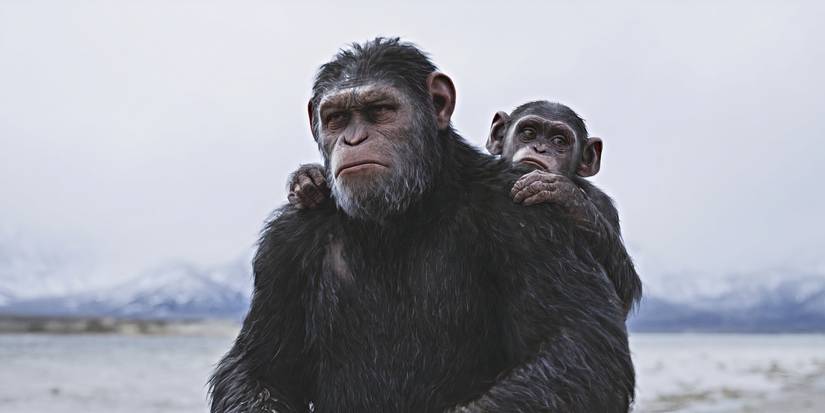
There is great reverence for the original Planet of the Apes franchise, but it wasn’t until the reboot trilogy that the story was finally done right. The 21st Century gives the apes a major visual makeover, telling how genetically enhanced apes rise to become the dominant species on Earth as human civilization collapses under a deadly pandemic. The three films depict the evolution and war between ape and human, ending in truly perfect fashion. War for the Planet of the Apes watches as Caesar (Andy Serkis) is forced into a devastating war against a ruthless military leader known as the Colonel (Woody Harrelson). Caesar suffers immense personal loss as he struggles with his desire for revenge. The reboot trilogy dropped the camp, allowing for a genuinely emotional arc that you cared about. Thankfully, it ended profoundly, making it the ultimate Planet of the Apes film.
War for the Planet of the Apes may have needed an assist from human nature for victory, but the trilogy ended exactly as it should have. The film serves as an emotionally mature and resonant conclusion, allowing Caesar's story to reach its limit. Caesar explores a range of morals, mirroring the good and evil that is found in human nature. By showing his dilemma as it does, War for the Planet of the Apes fulfilled the theory that apes and humans were always the same. Unlike the first two films, which spent significant time on human exposition, the final film focuses on the apes, their culture, and their relationships. Directed extraordinarily by Matt Reeves, the narrative weaves heavy biblical and historical undertones without being overt. A truly brilliant technical achievement, War for the Planet of the Apes became the blueprint for motion capture technology.
6 'Revenge of the Sith' (2005)
Star Wars Prequel Trilogy
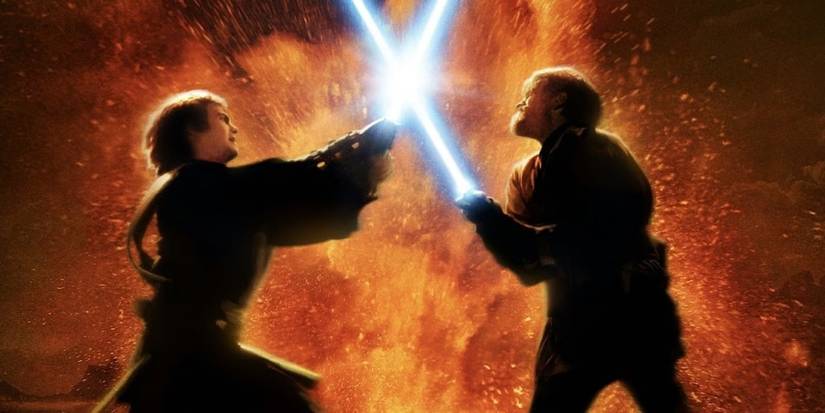
Let’s just say this was a low bar, but a bar that was set after all. The Star Wars prequel trilogy may be the weakest of the three, but it still went out with a bang. The three films depict the tragic backstory of Anakin Skywalker (Jake Lloyd and Hayden Christensen) and how the democratic Galactic Republic fell to become a cruel empire. An integral part of the overall Skywalker Saga, the films establish the origins of key figures from the original films while building the broader mythology and lore. In the final chapter, Star Wars: Episode III— Revenge of the Sith watches as Anakin falls to the dark side of the Force and the Galactic Republic transforms into the totalitarian Galactic Empire.
With a major birth, tragic death, and an epic battle, Revenge of the Sith delivers an emotionally dark climax that gives the two weaker films a deserved payoff. The final evolution into Darth Vader makes the entire trilogy worthwhile, setting up the epic adventure to come. Then, learning of the official lineage makes the moment in The Empire Strikes Back hold even more weight. Unlike the previous two films, it spends little time on political exposition, immediately moving into epic battles. The story centers tightly on Anakin's inner conflict, making his story profoundly purposeful. Return of the Sith learned from its predecessors’ mistakes in how to build a brilliant atmosphere that’s darker in tone but honest in grandeur. Revenge of the Sith is worth working through the first two films.
Collider Exclusive · Star Wars Quiz
Which Force User
Are You?
Light Side · Dark Side · Or Somewhere Between
The Force is not a binary. It is a spectrum — from the serene halls of the Jedi Temple to the shadowed corridors of Sith space. Ten questions will reveal where you truly fall. The Force has always known. Now you will too.
🔵Jedi Master
🟡Padawan
🔴Sith Lord
⚫Inquisitor
⚪Grey Jedi
01
What is the Force to you? Your relationship with the Force defines everything else.
02
When you feel strong emotions — anger, grief, love — what do you do? The Jedi suppress. The Sith feed. Others choose differently.
03
The Jedi Council gives you an order you disagree with. You: How you handle authority reveals your alignment.
04
You are offered forbidden knowledge that could give you enormous power. The cost is crossing a moral line. You: The dark side's pull is never more than a choice away.
05
Your approach to training and learning is: A student's habits become a master's character.
06
In a duel, your lightsaber fighting style reflects: Combat is the purest expression of a Force user's philosophy.
07
A defeated enemy lies at your feet, powerless. You: Mercy — or its absence — is the truest test of alignment.
08
The Jedi Code forbids attachment. Your honest view on love and bonds: The source of the greatest falls in the galaxy.
09
Why do you use the Force at all? What's the point? Purpose is the difference between a knight and a weapon.
10
At the final moment — light side or dark side pulling at you — what wins? In the end, every Force user faces this moment. What does yours look like?
Your Alignment Has Been Determined Your Place in the Force
The scores below reveal how the Force sees you. Your highest number is your true alignment. Read on to understand what that means — and what it will cost you.
🔵 Jedi Master
🟡 Padawan
🔴 Sith Lord
⚫ Inquisitor
⚪ Grey Jedi
Disciplined, compassionate, and deeply attuned to the living Force, you have walked the path long enough to understand its demands — and accept them. You lead not through authority alone, but through example. You have felt the pull of the dark side and chosen otherwise, every time. That is not certainty. That is courage.
You are earnest, powerful, and brimming with potential — and you know it, which is both your greatest asset and your most dangerous flaw. You act before you think, trust your gut over your training, and sometimes confuse impatience for bravery. The Masters see something in you, though. The question isn't whether you have what it takes — it's whether you'll be patient enough to find out.
You are not simply dangerous — you are certain, and that is worse. You have decided what the galaxy needs, and you have decided you are the one to deliver it. Your power is genuine and formidable, earned through sacrifice that would have broken lesser beings. But examine your victories carefully. Every Sith believed their cause was righteous. The dark side's cruelest trick is that it agrees with you.
You were forged in fire and reshaped by those who found you at your lowest. You serve, because service gave you structure when you had none. Your allegiance is not to an ideology — it is to survival and to the master who gave you purpose. But there is something buried beneath the conditioning. The Jedi you hunt? You recognize them. Because you remember what it felt like before the choice was taken from you.
You have looked at the Jedi Code and the Sith Code and found both of them incomplete. You walk the line not out of indecision but out of conviction — you genuinely believe both extremes miss something essential. The Jedi don't fully trust you. The Sith think you're wasting your potential. They're both partially right. But so are you.
7 'The Return of the King' (2003)
The Lord of the Rings Trilogy

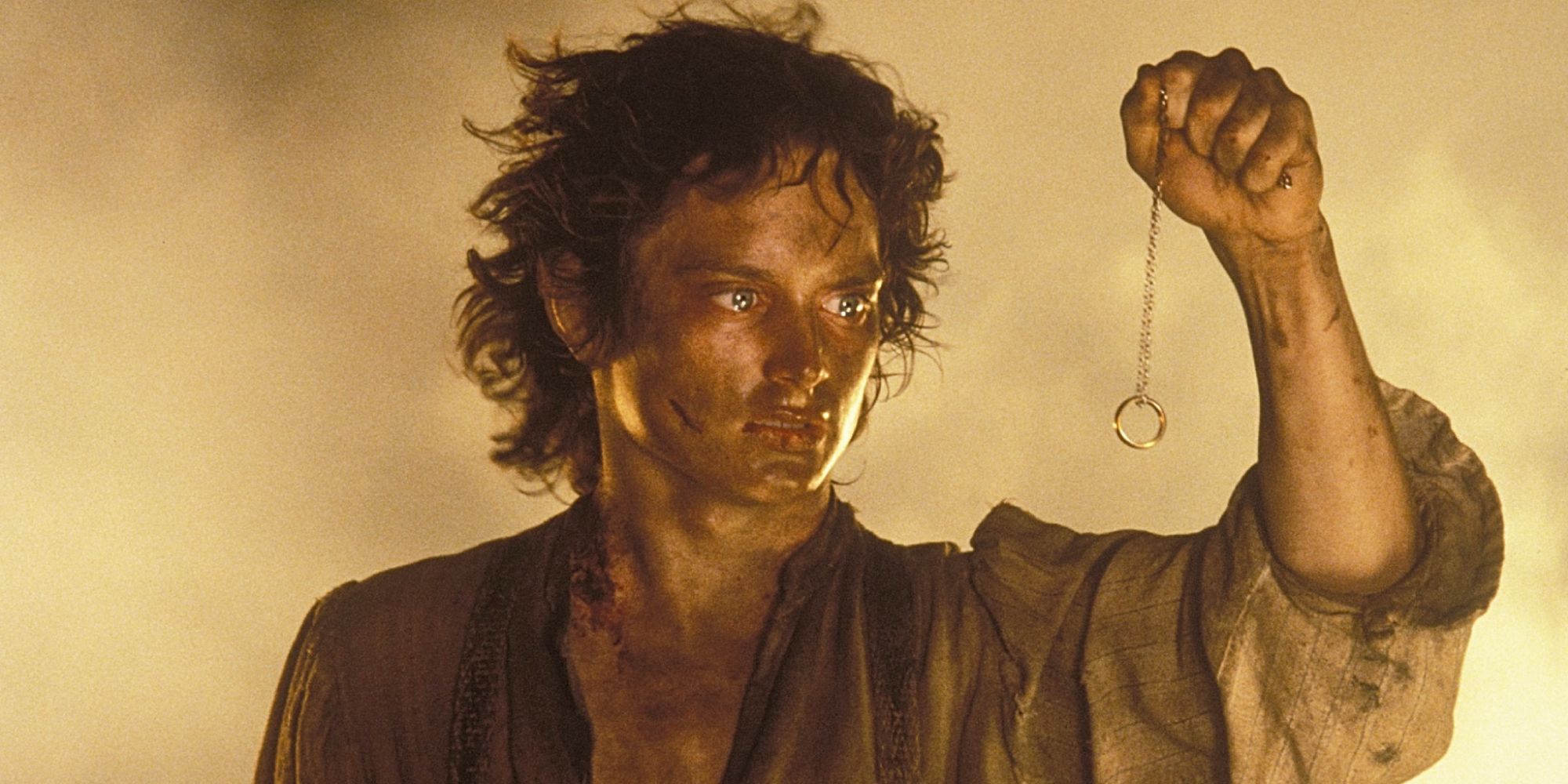
If we look at the Academy Awards that The Return of the King racked up, there’s no denying it peaked at the end. And yet, the trilogy is one of the best overall in cinema history. Directed by Peter Jackson, The Lord of the Rings takes J.R.R. Tolkien’s epic novel and explodes it into an epic journey. The general premise follows a group of heroes trying to destroy a powerful, evil ring and save their world from a dark lord. The first film establishes the world, the second sets up the struggle, and the third delivers the epic conclusion. The Return of the King watches as Frodo Baggins (Elijah Wood) and Samwise Gamgee (Sean Astin) destroy the One Ring in Mount Doom while Aragorn (Viggo Mortensen) and his allies lead the war against Sauron's armies.
Rarely is a sequel the strongest of a trilogy. Even rarer is a third film being the ultimate. The Return of the King defies that by delivering an emotional, narrative, and visual climax to the entire epic. Between sensationally shot battles, the destruction of the ring, and the truly happy ending of our heroes, The Return of the King showcases the triumphant cost of victory. Even within the darkness, the film spotlights profound friendship, hope, and courage. Winning all 11 Academy Awards it was nominated for, The Lord of the Rings concluded in gold. It’s a groundbreaking film that left a lasting impression on fantasy lovers and general moviegoers alike.
8 'Logan' (2017)
Wolverine Trilogy
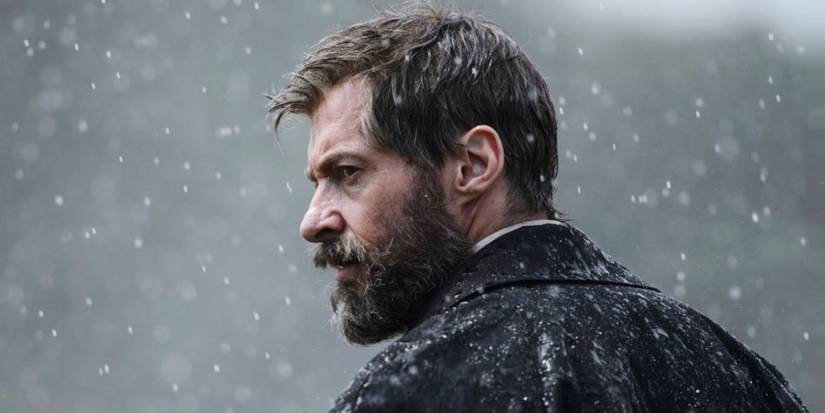
The 21st century saw the dawn of Marvel on the big screen, starting with the beloved superteam, the X-Men. Within the team, Hugh Jackman’s Wolverine emerged as a fan favorite who had a wealth of potential to lead his own trilogy. And he did. The collection of films depicts Logan (Jackman) during three distinct points in his super life. From his origins, where he earns his indestructible adamantium skeleton, to his journey to Japan, where he becomes the ultimate protector, the third film shows him as a profound tragic hero. In Logan, set in a dystopian world where no new mutants have been born in 25 years, an aging Logan cares for an ailing Professor Charles Xavier (Patrick Stewart) as he’s tasked with escorting a young 11-year-old mutant girl named Laura (Dafne Keen) to a safe haven in North Dakota known as "Eden.” Established as a bleak Neo-Western, Logan explores themes of aging, regret, and the titular hero reluctantly stepping into the role of a father figure
Arguably one of the greatest superhero films of all time, Logan strips away the classic tropes found in the X-Men franchise in exchange for a gritty, character-driven narrative. By embracing a brutally honest narrative, Logan can deal with trauma, legacy, and the emotional toll of a lifetime defined by killing. Jackman takes on a very different version of his character, letting him stretch his dramatic acting where he’s not battling sleek technology but a dusty road. For X-Men fans, Logan strips away the flawless heroism of two of its most beloved figures, proving a poignant, permanent sacrifice is just as heroic as world-saving. Logan peaks in the overall trilogy because his story concludes with him learning how to be a father, his ultimate role.
KioskNews shows a cleaned-up reading view extracted from the publisher’s page — the original always lives on their site, not ours.