Chalmers’ credit card back-down unedifying and concerning
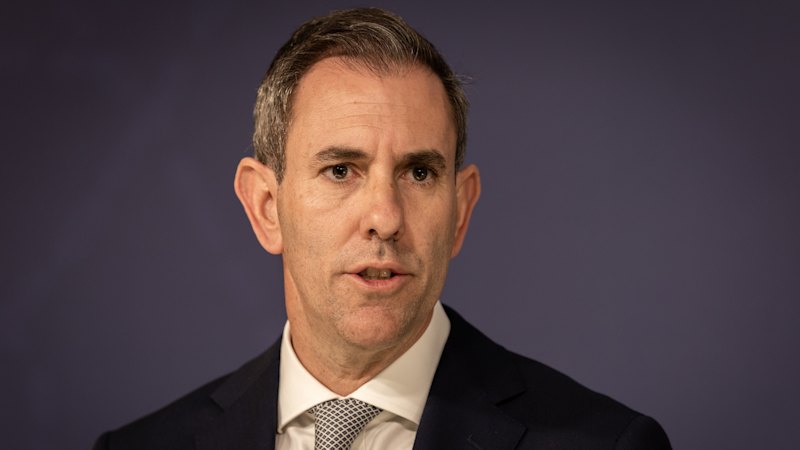
Treasurer Jim Chalmers’ intervention to temporarily halt the Australian Taxation Office’s controversial banning of credit card payments to help small businesses is management of a crisis of the Albanese government’s own making.
Chalmers is to allocate additional funds to the ATO after the ban – set to come into effect on November 30 – came under heavy criticism from the business community, opposition parties and some Labor backbenchers. “We’ve stepped in to ensure that the tax office can take credit card payments until the end of June next year,” Chalmers said. “This will give them the time to consult more with small business and to get it right. We try not to interfere with the RBA or the ATO … but it’s really important that we have stepped in today.”
Credit and debit card surcharges were a vexed issue when banking and financial services were the target of a royal commission nine years ago. Since then, despite a run on cash during the COVID years when money was hoarded, banks have made a motza as the declining use of cash largely helped to lower security expenditure and enabling eftpos, Visa or Mastercard to become king.
The Albanese government announced in 2024 it was prepared to ban credit card charges. The aim was to take pressure off consumers and businesses and help with the cost of living. Following a review by the Reserve Bank of Australia, on October 1 credit card surcharges were banned and interchange fees lowered, with businesses no longer able to add a surcharge when customers pay with plastic. The RBA estimated the move would save consumers about $1.6 billion annually.
But when the RBA delivered the goods 10 days ago the plan blew up in the government’s face.
Along with helping consumers, the RBA introduced other measures intended to lower the burden on small business. But, in a tough business environment, some small businesses elected to go “cash only” or increase charges for some items, a measure that only served to shift the burden back to consumers. Then the independent ATO announced it would stop taking credit card payments for tax bills, arguing it could not absorb the fees.
A blind banker could have seen that coming. However, nobody in Cabinet seemed to have the foresight.
Such lack of small business nous exposes the cabinet’s insularity and a worrying naivety unbecoming to a government charged with navigating the nation through what is clearly a worsening economic situation.
The latest failure is yet another example to how not to run government and joins the Indigenous Voice to parliament referendum, franking credits and the “pink batts” scheme as badly thought through, well-intentioned policy.
The policy should have been a lay-down misère.
After all, everybody hates the banks.
Instead, taxpayers are now on the hook for around $200 million to paper over the Albanese government’s poor consultation, botched groundwork, and total failure to co-ordinate with its own tax office before rolling out the policy.
Get a weekly wrap of views that will challenge, champion and inform your own. Sign up for our Opinion newsletter.

KioskNews shows a cleaned-up reading view extracted from the publisher’s page — the original always lives on their site, not ours.