Southeast Asian horror games unleash local nightmares on the world
While some tropes like zombies are universally scary, others sources of terror require specific cultural knowledge to inspire dread – something Wyn Panichpakdee realised while watching both Thai and international players test his studio’s latest video game.
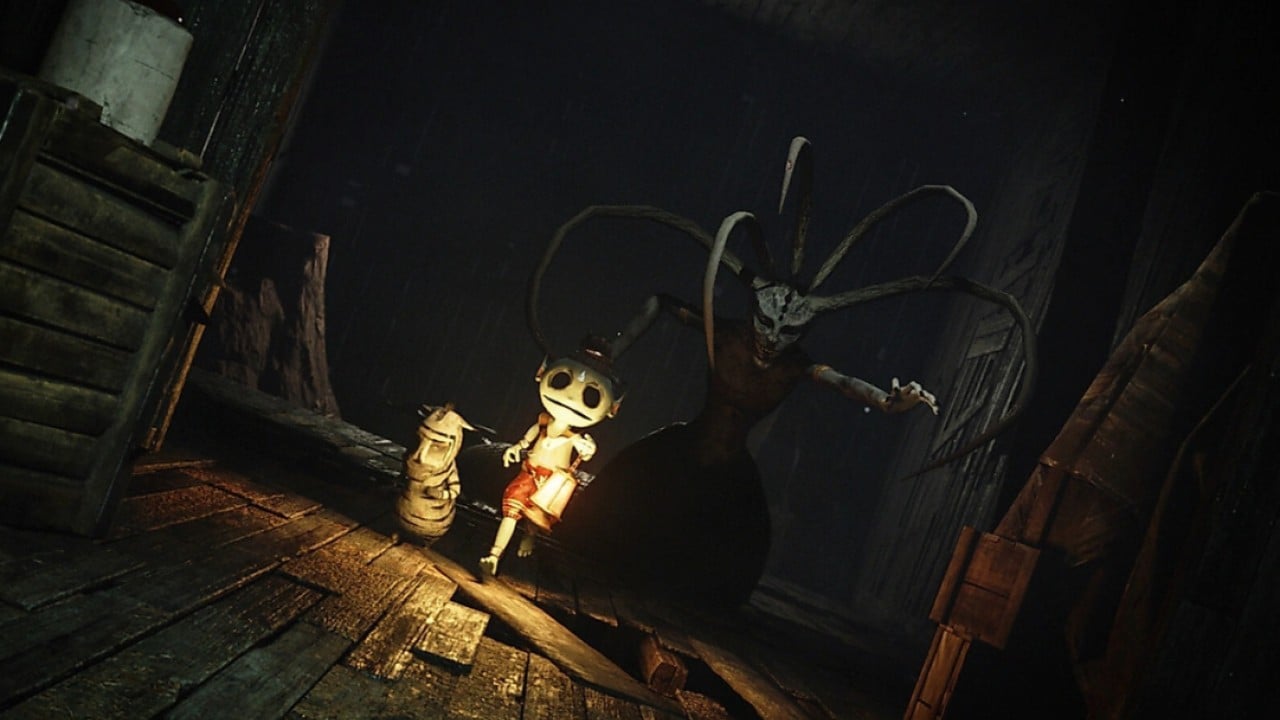
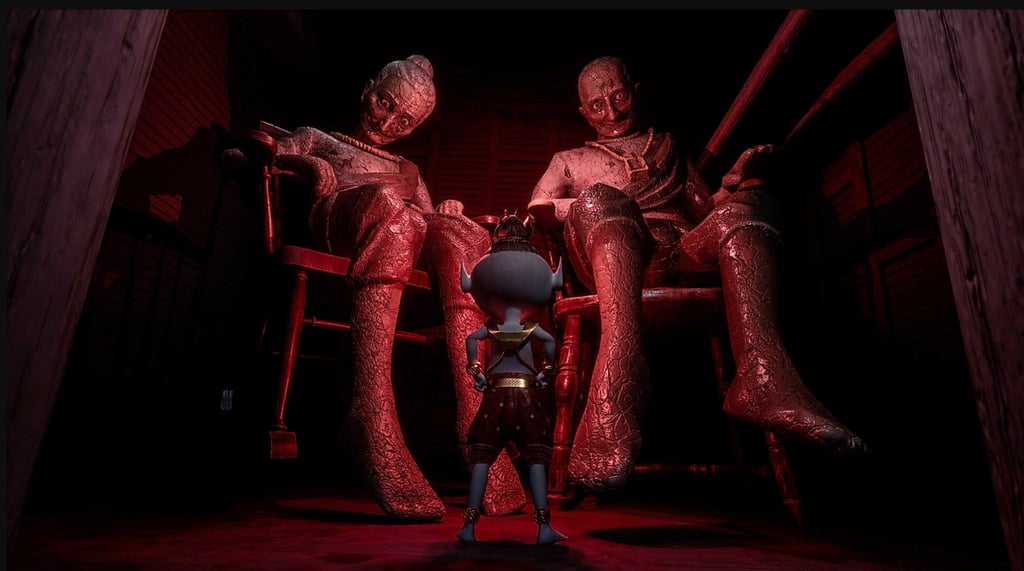
In Kumarn: The Wandering Spirit, players encounter phi nang rum, menacing dancing spirit dolls from Thai folklore. Wyn said Thai players instantly recognised the dolls and braced themselves for something horrifying, while foreign players required more visceral scares before they reacted.
“They were just surprised when there was a jump scare. They weren’t scared at the beginning,” said Wyn, who is managing director at Thai game maker Werebuff Studio.
Werebuff is among several Southeast Asian video game developers seizing on the growing popularity of horror-themed titles by tapping into local folklore and horror tropes. But as its playtesting showed, making culturally familiar sources of dread unsettling to international gamers can be a challenge.
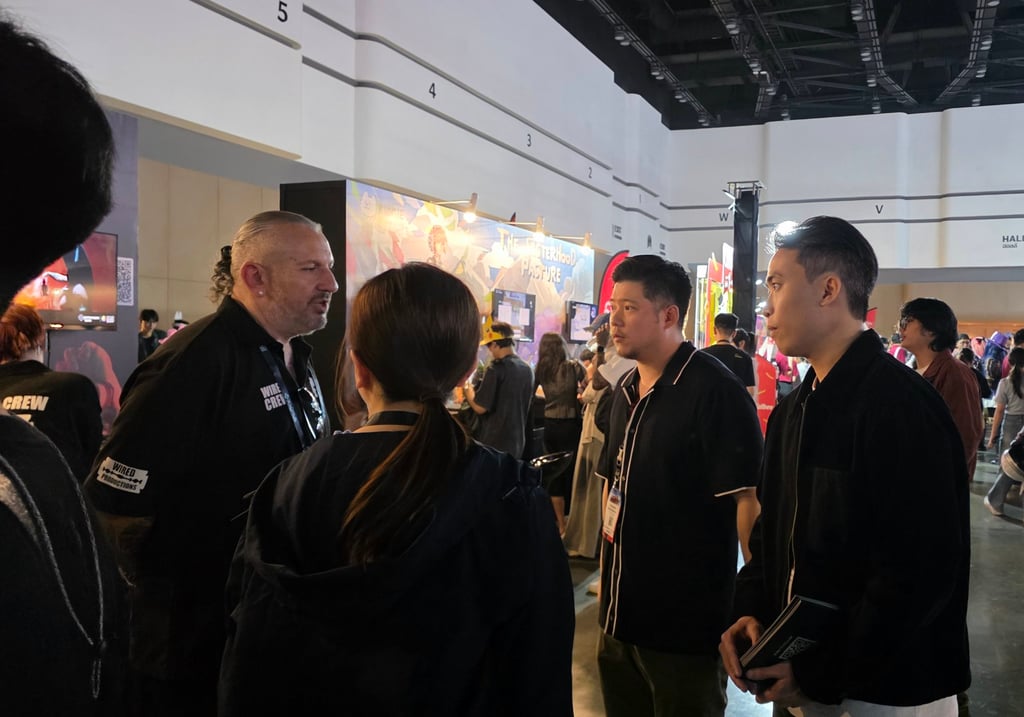
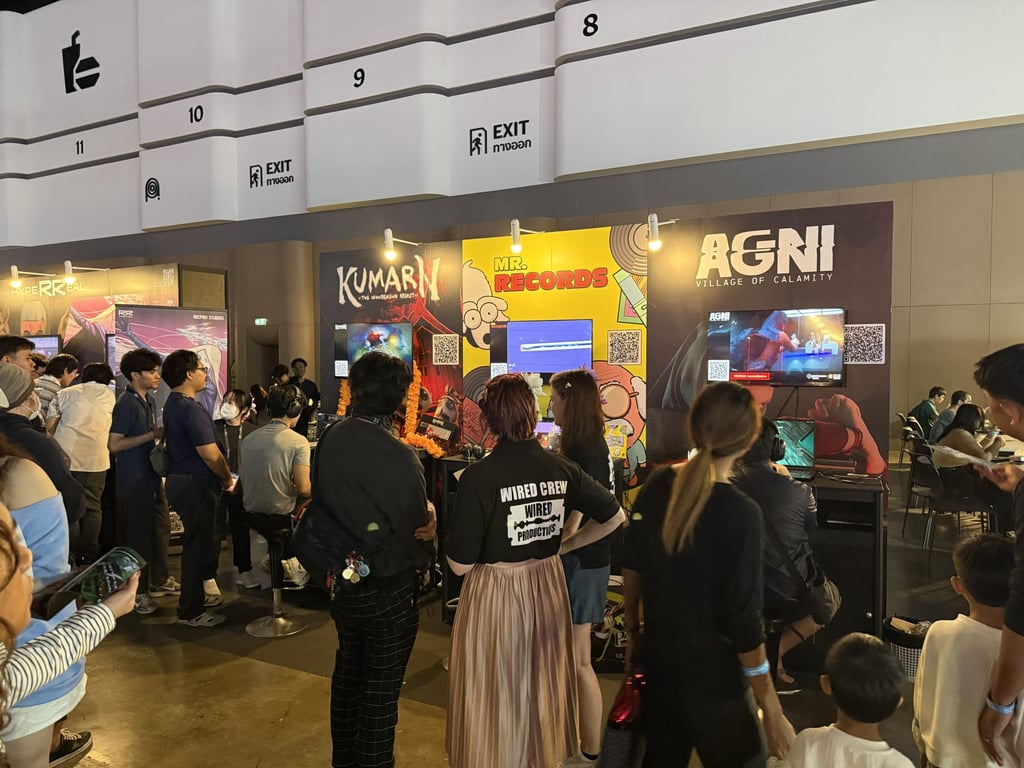
Indonesia’s Separuh Interactive is another studio developing horror games by drawing on local culture for international audiences. It, along with Werebuff, has partnered with British publisher Wired Productions to bring its games to the world.
But translating local stories into games with international appeal is only part of the challenge, with funding and talent issues among other barriers that studios must overcome to succeed.
Regional spending
Southeast Asian gamers already represent a substantial market. A joint report by research firm Niko Partners and games-commerce company Xsolla put the region’s mobile and PC games spending at more than US$5.6 billion in 2025, projecting it to exceed US$7 billion by 2030.
Indonesia, Thailand and Vietnam together accounted for about two-thirds of that spending by consumers, rather than the earnings by local studios. This Week In Asia has reached out to Niko Partners for comment.
Southeast Asia’s game developers are also building on their established role producing content for overseas clients.
A 2024 report led by Malaysia’s Digital Economy Corporation (MDEC) described the region as an outsourcing hub and noted that independent studios were becoming more active in developing their own intellectual property.
The report’s findings drew on responses from 48 studios and 295 individuals across six countries, but the authors cautioned that the sample size was small and the results could not be widely generalised.
Governments are also trying to strengthen the production side of the industry.
In 2025, MDEC announced 3.5 million ringgit (US$862,325) in support for at least five game-development firms to help expand their intellectual-property portfolios and encourage global partnerships. This was followed by the 2026 Digital Content Grant, which offered up to 2 million ringgit per project for original animation or games intended for global markets.
In May this year, Le Quang Tu Do, director of Vietnam’s Authority of Broadcasting and Electronic Information under the Ministry of Culture, Sports and Tourism, designated video games as one of six main strategic cultural industries.
Speaking at the Gameverse event in Ho Chi Minh City, Do said companies producing games centred on history and culture would receive tax incentives and reductions, Vietnamese media reported.
In the Philippines, the Department of Trade reported US$4.87 million in confirmed and potential sales from a government-backed Gamescom delegation in 2025. This extended beyond completed sales, including prospective publishing agreements, outsourcing contracts and co-production projects.

Financing a project
For individual studios, securing the resources to finish a game can be precarious, as Separuh’s chief operating officer and lead producer, Ardhan Fadhlurrahman, discovered.
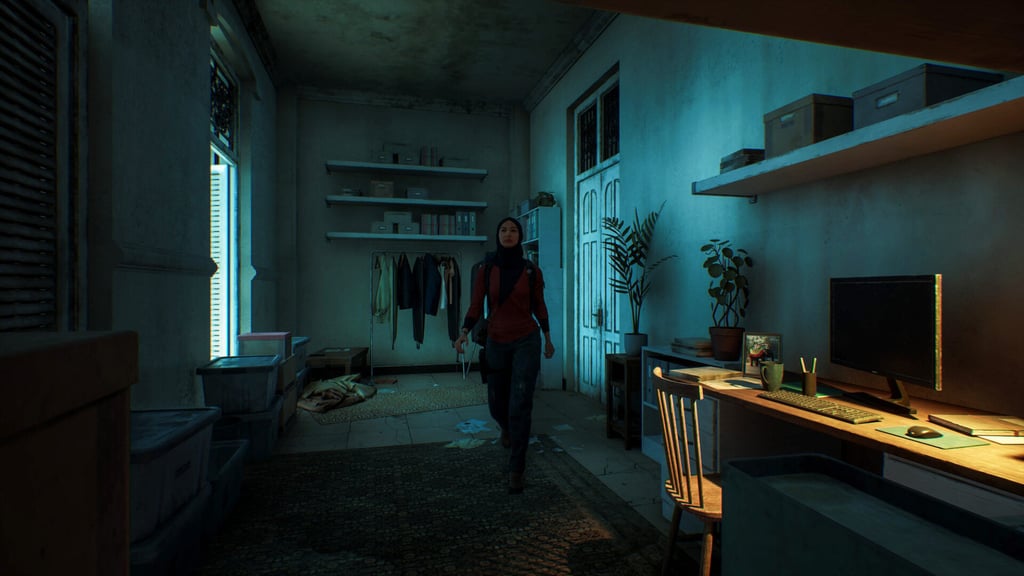
AGNI: Village of Calamity began with the ambition to create an Indonesian take on the survival horror game Alan Wake 2. Its protagonist investigates supernatural events in a fictional village inspired by Central Java, with everyday details, from pickup trucks carrying vegetables to the market to the way she wears her hijab, setting the horror in contemporary Indonesia.
“Our purpose is to make a playable film,” Ardhan said. Players can inspect objects for additional context but do not need to understand every cultural reference to progress.
Ardhan said the studio emerged from developers and artists affected by lost outsourcing work, cancelled projects and lay-offs during the 2024 video games industry upheaval, which saw several big-budget games cancelled.
Initially a chat group of friends comparing their setbacks, the collective pooled about US$10,000 in savings and produced an early motion-capture teaser to test interest.
More funds came through a grant from an Xbox developer programme and angel investment, but Ardhan said that the team expanded too quickly before the project had sufficient direction, which pressured its finances.
Recounting his experience meeting prospective publishers, Ardhan said he was told Separuh’s targets were “excessive”. The studio then narrowed its focus to atmosphere, storytelling and visual detail, limiting gameplay to a maximum of eight hours.
An encounter with Wired Productions at Gamescom in Cologne in 2025 led to publishing discussions. Even then, finalising the agreement took about half a year.
“By the time Separuh signed, we only had three people remaining,” Ardhan said. “We had to ask them [the other staff] to stop working and recommended them to other studios, rather than promise wages we could not afford.”
Former staff returned after the deal was signed.
Ardhan praised Wired for helping connect the team with Nvidia specialists and other developers to improve performance on less powerful hardware. This Week In Asia has reached out to Wired Productions for comment.
Reversing horror tropes
Werebuff, meanwhile, aims to reverse the usual relationship between people and ghosts.
Kumarn follows a spirit taken away from its shrine and searching for somewhere to belong. Its protagonist draws on the kuman thong, which Wyn described as a spirit doll kept for good luck. The protagonist is accompanied by a zebra doll, also inspired by offerings found at Thai shrines.
“You imagine Annabelle, but like a friendlier version of Annabelle,” Wyn said, referring to the haunted doll from The Conjuring film franchise.
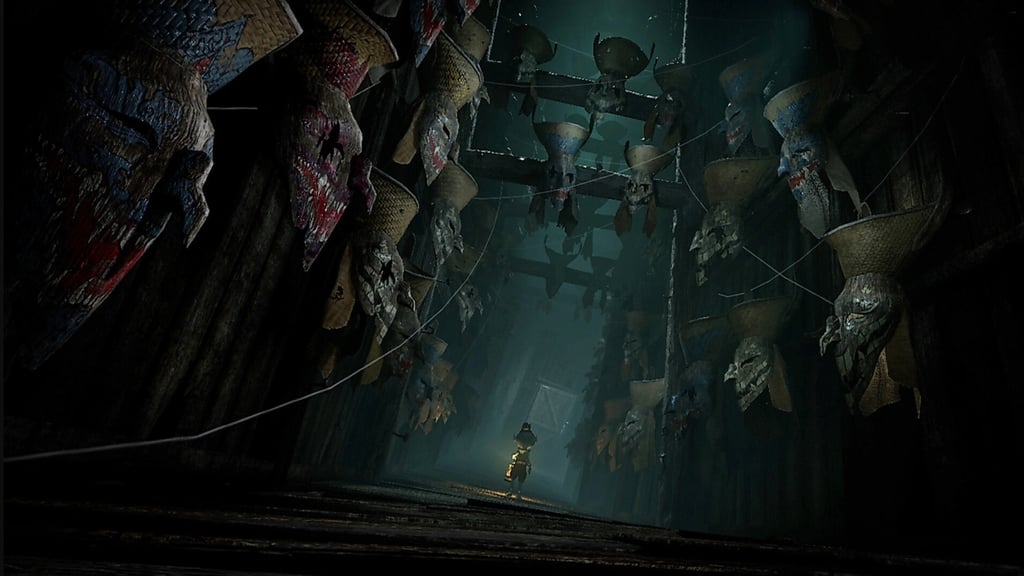
Wyn co-founded Werebuff with partners at Thai film and television company Kantana. The studio drew gameplay inspiration from hits like Little Nightmares, combining a vulnerable protagonist with exploration and puzzles. Rather than dialogue, the story relies on environments, animation and sound for gamer immersion.
Initial funds for Werebuff came from Wyn and Kantana, and marketing and production outsourcing work helped sustain operations.
“Initially, recruiting programmers experienced with the Unreal game engine was difficult, but we’ve grown to about 15 people, from the four or five we started with,” Wyn recounted.
Both AGNI and Kumarn are aiming for late 2027 releases, and Wyn and Ardhan are keen to ensure their titles are polished and ready by then.
For Werebuff, this includes returning to the problem revealed during its overseas testing: how to make the phi nang rum frightening even to players unfamiliar with the dancing spirits in Thai folklore.
Wyn said the team was refining the spirits’ designs and animations to make them as unsettling as possible while incorporating their backstories into the game.
“It doesn’t matter [if] they don’t understand that dancing spirit doll,” he said. “But if they can feel from the sight that it’s scary, I think … that’s OK.”
KioskNews shows a cleaned-up reading view extracted from the publisher’s page — the original always lives on their site, not ours.