Netflix’s 3-Part Horror Series Is the Stephen King-Like Show You Probably Missed

Amanda M. Castro is a Network TV writer at Collider and a New York–based journalist whose work has appeared in Newsweek, where she is an Associate Editor, and The U.S. Sun, where she previously served as a Senior Consumer Reporter.
She specializes in network television coverage, delivering sharp, thoughtful analysis of long-running procedural hits and ambitious new dramas across broadcast TV. At Collider, Amanda explores character arcs, storytelling trends, and the cultural impact of network series that keep audiences tuning in week after week.
Born and raised in Puerto Rico, Amanda is bilingual and holds a degree in Communication, Film, and Media Studies from the University of New Haven.
There is a particular kind of horror story that Stephen King has perfected: put young people in a strange, dangerous world, give them something genuinely terrifying to fight, and let the supernatural threat expose all the messy feelings they were already carrying. Locke & Key isn’t a King adaptation, but it understands that formula remarkably well. Based on the comic series by King’s son Joe Hill and Gabriel Rodríguez, the Netflix series blends horror, fantasy, coming-of-age drama, and family trauma into a surprisingly addictive three-season story.
The series premiered in 2020 and follows the Locke family after patriarch Rendell Locke is murdered. His wife, Nina (Darby Stanchfield), moves with their three children — Tyler (Connor Jessup), Kinsey (Emilia Jones), and Bode (Jackson Robert Scott) — to Rendell’s ancestral home, Keyhouse, in Matheson, Massachusetts. The house is enormous and mysterious, hiding considerably more than a few cobwebs. Before long, the children discover magical keys scattered throughout the property, each capable of doing something wildly different. Naturally, they aren’t the only ones interested in what those keys can unlock.
'Locke & Key' Turns a Haunted House Into a Fantasy Playground

The easiest way to explain Locke & Key is to imagine a haunted-house story where the kids actually want to explore it. The keys are the show’s biggest hook, and they’re remarkably inventive: one can turn someone into a ghost, another can open a door to essentially anywhere, and others can manipulate memories, repair broken objects, control people, or unleash entirely different kinds of trouble.
That sense of discovery gives Locke & Key an infectious childlike wonder, even when the show gets considerably darker. Bode, the youngest Locke, is particularly important to that balance. His curiosity drives much of the family’s early exploration of Keyhouse, and Scott brings an enthusiasm to Bode that makes the story's magical side feel genuinely magical rather than simply another collection of CGI powers.
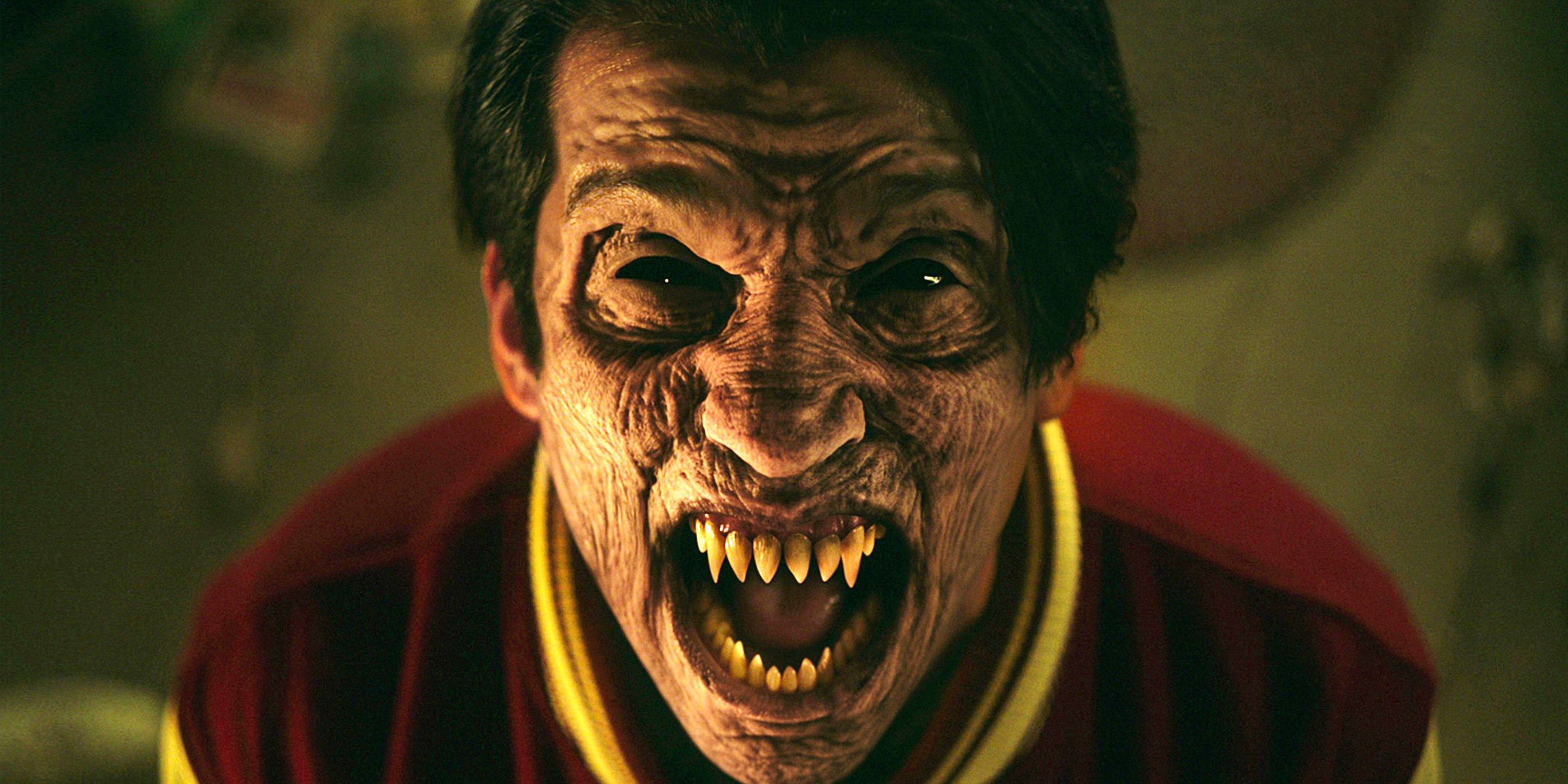
But there is always something lurking underneath that wonder. The keys aren’t toys, and Keyhouse isn’t simply an eccentric family mansion. A supernatural threat is hunting for the same objects, turning the Locke family’s exploration into a fight for survival. Netflix itself describes the series as a coming-of-age mystery centered on “love, loss, and the unshakable bonds” of family, which is ultimately a better description of the show than simply calling it fantasy or horror.
This Netflix Fantasy Series Is Really About Grief

Locke & Key gives its characters something much more recognizable to deal with. Rendell’s death has shattered the Locke family, and each member processes that loss differently. For instance, Tyler carries guilt over his father’s murder, Kinsey struggles with her own feelings of fear and helplessness, Nina is trying to hold her family together while dealing with grief and alcoholism, and Bode, being younger, approaches the tragedy differently, and his willingness to believe in the impossible becomes an important counterweight to everyone else’s pain.
It also helps that the cast is genuinely strong. Stanchfield gives Nina far more to do than the typical horror-movie mother, while Jessup and Jones sell the complicated teenage emotions at the center of Tyler and Kinsey’s stories. Scott, meanwhile, is the show’s secret weapon. Bode’s excitement could have become irritating in another actor’s hands; instead, Scott makes him feel like the kind of kid who would absolutely hear a mysterious voice coming from a well and think that he should probably see where that’s coming from.
'Locke & Key' Knows When to Be Scary and When Not To

If you’re expecting eight hours of relentless horror, Locke & Key isn’t quite that show; it's more of a display of the space between horror and fantasy, where a creepy house can be frightening one minute and an enormous playground the next. There’s a little Stranger Things in its coming-of-age story, some classic Amblin-style adventure in its sense of wonder, and enough supernatural menace to keep the whole thing from becoming too comfortable.
That tonal balance is one of the reasons the series is so easy to binge. The episodes move quickly, the keys keep introducing new possibilities, and Keyhouse itself always seems to have another secret waiting behind another door. The series also benefits from not dragging the story out indefinitely. Netflix’s version runs for three seasons and 28 episodes, with the final season arriving in 2022. Perhaps most importantly for anyone wary of starting another unfinished Netflix fantasy series, Locke & Key actually gets to an end. The creators decided that three seasons were the right length to complete the Locke family’s story, rather than stretching the mythology until the show ran out of steam.
The show isn’t perfect in that its teen drama occasionally competes with the more interesting supernatural material, and its horror can be softer than the premise initially suggests, but those caveats don’t erase what Locke & Key does exceptionally well. It creates a world you want to explore, populates it with characters you actually care about, and uses its supernatural mythology to tell a story about a family trying to survive grief.
For fans of King, Locke & Key offers a familiar mixture of childhood wonder, supernatural danger, and very real emotional pain, without being a King story at all. Considering it has been sitting on Netflix with three complete seasons since 2022, it may be one of the easiest fantasy-horror recommendations you somehow missed.
KioskNews shows a cleaned-up reading view extracted from the publisher’s page — the original always lives on their site, not ours.