UK mosquito numbers could increase in September due to warm weather
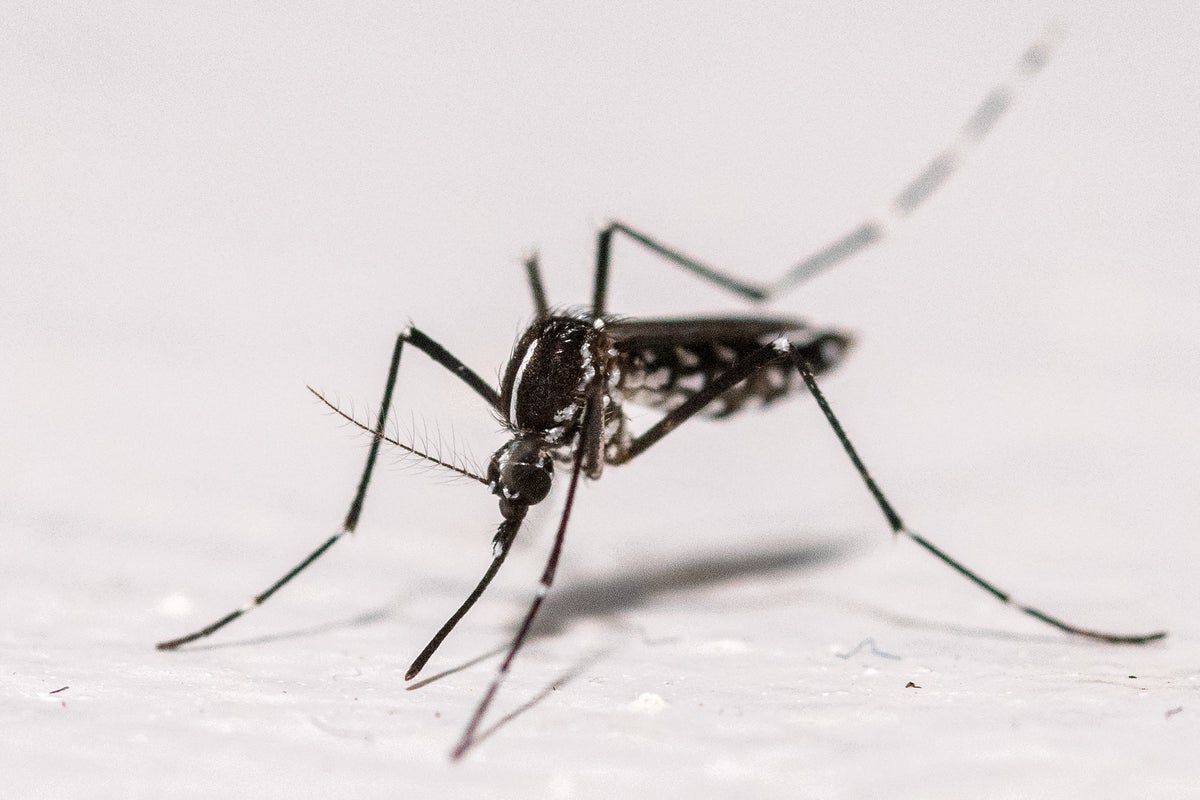
Mosquito numbers across Britain could rise in autumn following a month of mild, humid weather and rainfall, experts say.
Native mosquito populations have remained active throughout the summer, with recent weather patterns offering prime conditions for late-season breeding cycles.
Because female mosquitoes rely on standing water to lay their eggs, September’s downpours paired with lingering warmth mean populations could remain elevated well into the autumn.
The London School of Hygiene and Tropical Medicine (LSHTM) has said that weather patterns involving higher temperatures and humidity have been "perfect for a potential surge" in local mosquito activity.
Dr Yasser Qureshi, an AI-researcher specialising in mosquito behaviour, said: “As global temperatures increase, we are seeing a more significant chance for mosquitoes to breed in the UK.
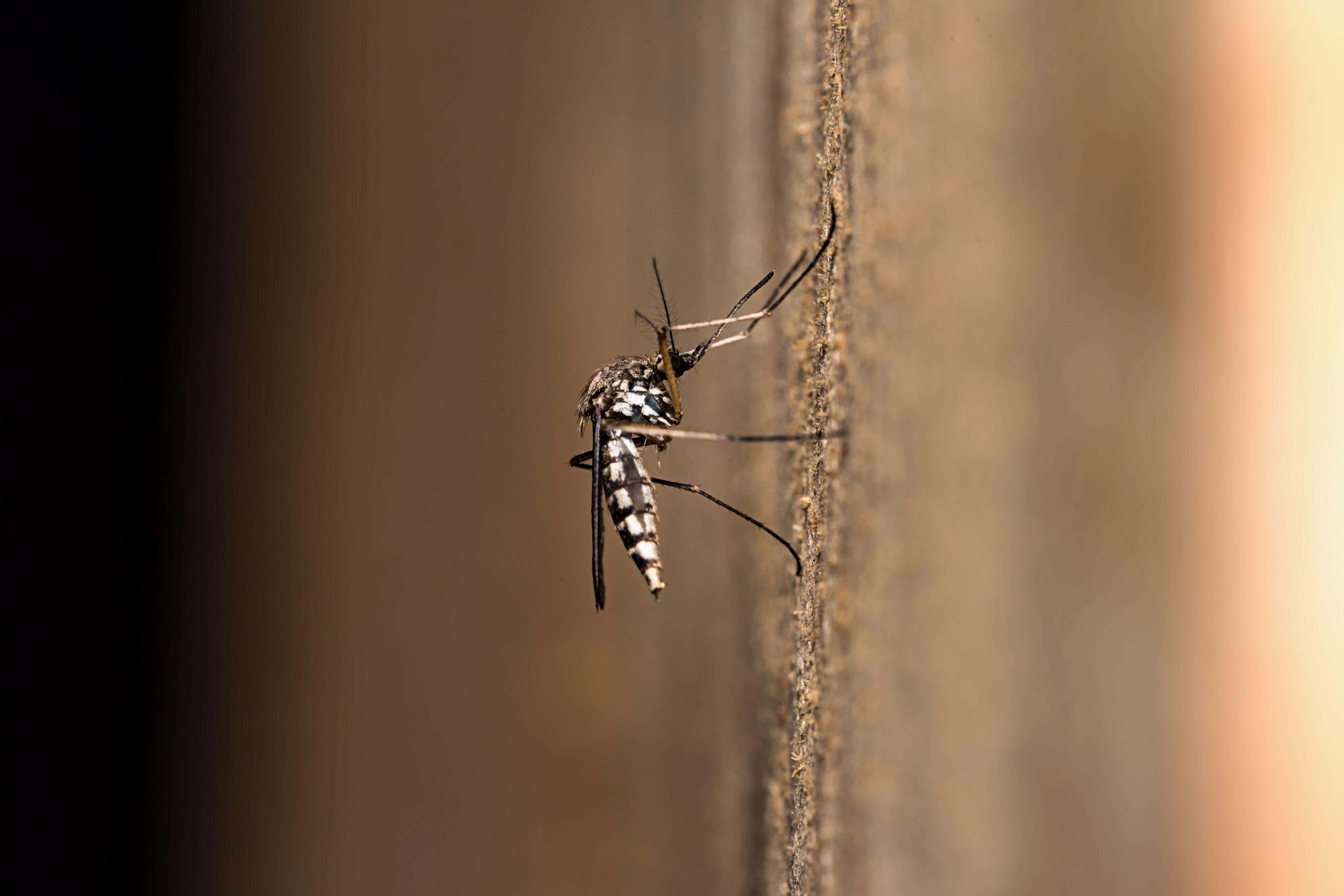
“Higher temperatures speed up egg, larval, and pupal development, meaning they can produce faster, while humidity helps them survive longer as the insects lose less water through evaporation,” he told The Independent.
“Together, these factors definitely have the potential to impact populations.”
The seasonal rise follows a summer of increased insect activity nationwide. NHS England reported a 35 per cent jump in visits to its advice pages on bites and stings between May and July as temperatures climbed.
In the UK, late-season mosquito activity is largely driven by established native species, including the common house mosquito (Culex pipiens) and the banded mosquito (Culiseta annulata), which is a persistent biter.
Beyond seasonal population spikes, health experts have warned that long-term climate change is gradually making Britain an increasingly hospitable environment for non-native species.
Earlier this month, health officials confirmed that the invasive Aedes aegypti mosquito — a known carrier of Zika virus, dengue, chikungunya, and yellow fever — was found breeding in UK residential properties for the first time in east London.
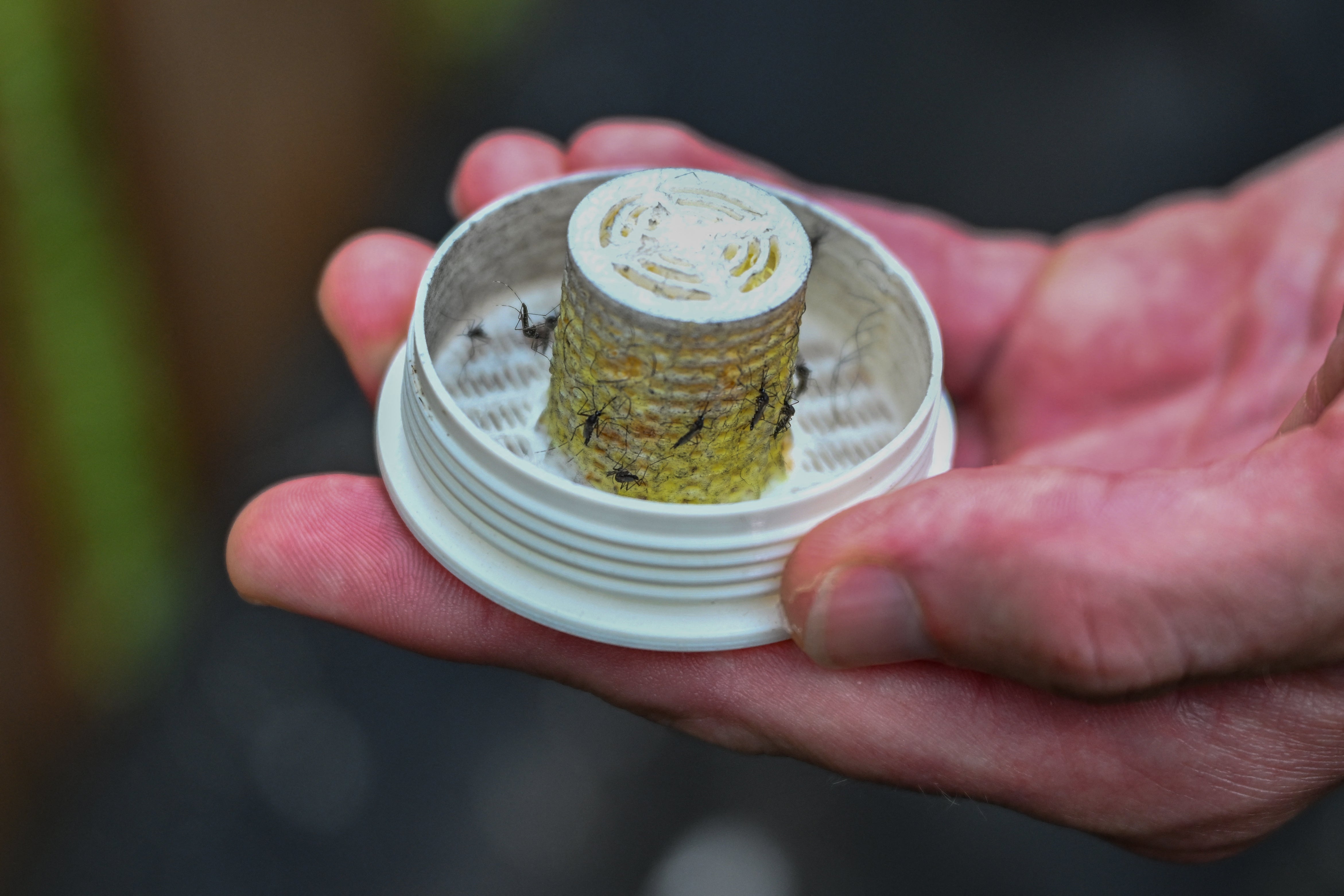
But such cases do not currently pose a significant risk to the public, said Dr Jolyon Medlock, the head of medical entomology and zoonoses ecology at the UK Health Security Agency (UKHSA).
"There is no evidence that these mosquitoes have caused human infections, and importantly, to date, there is no evidence of the mosquitoes or larvae being detected in nearby public areas," he added.
While the UKHSA stresses the species cannot currently survive through cold British winters, experts at LSHTM have since described the discovery as a "milestone event," warning that recurring heatwaves could make such incursions a more common occurrence.
"It is expected that in a warming climate, we will continue to see incursions of invasive mosquitoes, and increased reports of them being able to survive in the UK," cautioned Dr Medlock.
Dr Qureshi added: “Diseases carried by mosquitoes were previously seen mostly across Africa, South Asia and South America.
“But now, as temperatures in the UK become more hospitable, it does seem we may see more and more cases of these mosquitoes being able to survive here for extended periods of time — which is a real risk.”
Members of the public are being urged to clear standing water from buckets, containers, and plant pots in outdoor spaces to restrict breeding opportunities for both native and invasive species.
KioskNews shows a cleaned-up reading view extracted from the publisher’s page — the original always lives on their site, not ours.