Injunctions explained after David Walliams loses High Court bid
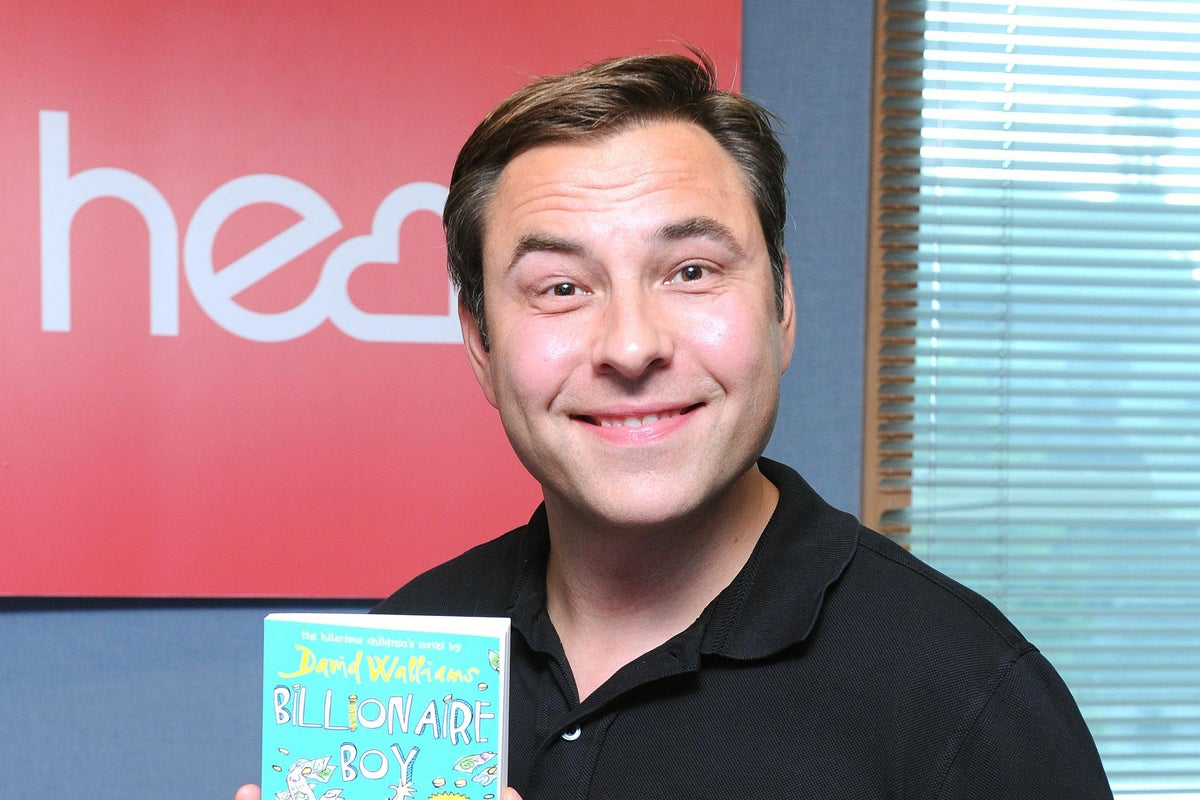
The famous man who failed to get a High Court injunction against two media organisations to prevent them from reporting allegations against him has been named as David Walliams.
The comedian, previously described as a “well-known man”, brought legal action against Independent Television News (ITN), which produces news programmes for ITV, Channel 4, Good Morning Britain and Channel 5, and Guardian News and Media (GNM), publisher of The Guardian.
Lawyers for the media organisations previously told the High Court in London the allegations they want to report involve his alleged “abuse of power and status” to contact young women and try to engage in “inappropriate and exploitative sexual activities”, but Walliams sought an injunction because of a risk he would take his own life, after two previous suicide attempts.
Mr Justice Nicklin dismissed the injunction bid on 3 November, but ruled that Walliams could take his case to the Court of Appeal.
The Guardian has now published an investigation the day after the appeal deadline passed. Walliams has denied any wrongdoing.
Here The Independent takes a look at what an injunction is – and how they work – in light of the recent events.

What is an injunction?
According to law firm Weightmans, the term injunction refers to “an order issued by a court which requires a business or individual either to do something (a ‘mandatory’ injunction) or to stop doing something (a ‘prohibitory’ injunction)”.
The orders “are used to protect legal rights, particularly in urgent situations where finding a fast resolution to a dispute is important”, it adds.
There are different types of injunction, such as injunctions stopping the publication of materials, and there are also variations in the basis on which they are issued, Weightmans says.
An interim injunction is given before or during legal proceedings “as a holding measure while a court considers a claim”, Weightmans says.
Meanwhile, a final injunction is “issued at the conclusion of a trial and can remain in place indefinitely”.

How do you apply for an injunction?
There’s a specific process to obtaining an injunction, according to Weightmans. This includes claimants seeking legal advice, gathering evidence to support their case, and applying to the court dealing “with the wider claim”.
Applications for injunctions cannot be made “in isolation”, and applicants “will also need to commence legal proceedings in parallel”, it adds.
Weightmans adds: “When making the application, you have the option to do so either with or without giving notice to the other party. If the other party is provided with notice, they will have the opportunity to attend the hearing. In the application is without notice, an initial hearing will take place without the defendant in attendance.”
A hearing will then be held where “the judge will consider the evidence and the submissions made, following which they will decide whether to grant the injunction”.
If an injunction is granted, it needs to be formally served on the other party before it takes effect.
What happens if you breach an injunction?
There could be “serious consequences” if you breach an injunction, as such an action is deemed contempt of court, Weightmans says.
So-called penal notices are often issued alongside injunctions, and give “formal warning that breaching the injunction may lead to imprisonment, a fine or the seizure of the breaching party’s assets”.
If you are experiencing feelings of distress, or are struggling to cope, you can speak to the Samaritans, in confidence, on 116 123 (UK and ROI) or visit the Samaritans website to find details of your nearest branch.
If you are based in the USA, and you or someone you know needs mental health assistance right now, call or text 988, or visit 988lifeline.org to access online chat from the 988 Suicide and Crisis Lifeline. This is a free, confidential crisis hotline that is available to everyone 24 hours a day, seven days a week. If you are in another country, you can go to www.befrienders.org to find a helpline near you.
KioskNews shows a cleaned-up reading view extracted from the publisher’s page — the original always lives on their site, not ours.