Welsh slate museum gets £2.4M grant to restore UNESCO site
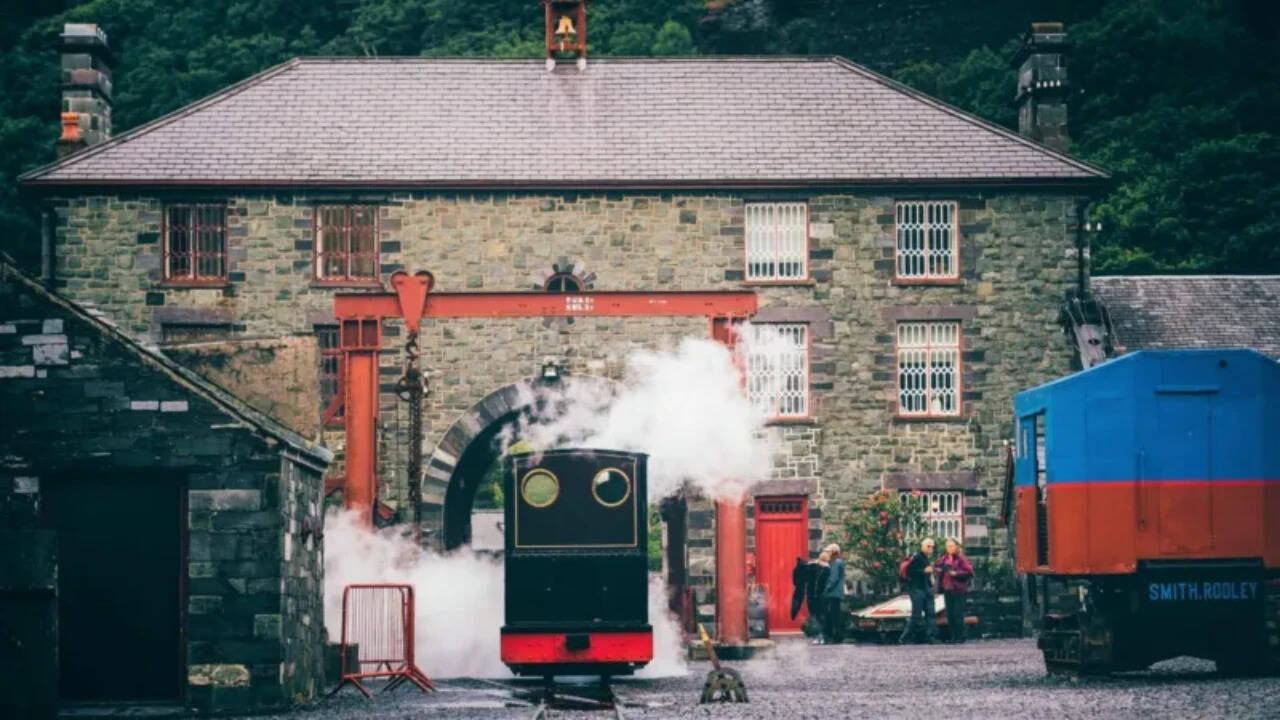
Image Courtesy of National Slate Museum
There are places where history is not simply preserved in books, photographs or museum displays, but remains embedded in the very buildings where it unfolded. Old workshops, factories and industrial sites often hold traces of an era when their machinery was part of everyday life, and the people who worked there helped shape the fortunes of entire regions.
With time, however, the industries that once kept these places alive may disappear, leaving behind structures that offer a glimpse into the skills, labour and communities of an earlier age. Preserving them is not merely an exercise in restoring old buildings; it is also about ensuring that the stories associated with them are not lost.In north-west Wales, the National Slate Museum in Llanberis is one such place. Housed in the historic Gilfach Ddu workshops of the former Dinorwig quarry, the museum preserves the legacy of an industry that transformed the region and became an important part of its cultural identity.
The site, which forms part of the UNESCO-listed Slate Landscape of Northwest Wales, closed to visitors in November 2024 for a major redevelopment.
Now, a fresh £2.4 million investment from the Welsh Government is expected to support the restoration of its historic buildings and the creation of new facilities as the museum prepares for its eventual reopening.According to the Welsh Government's announcement, the funding will go towards the next phase of a wider redevelopment project being carried out by Amgueddfa Cymru – Museum Wales.
Culture and Sport Cabinet Minister Heledd Fychan confirmed the additional investment during a visit to the site, highlighting the importance of preserving the historic workshops while making the museum more welcoming and accessible to future visitors. The project brings together conservation work and the development of new facilities, with the aim of giving the museum a sustainable future without compromising its industrial character.
What the restoration work at the museum involves
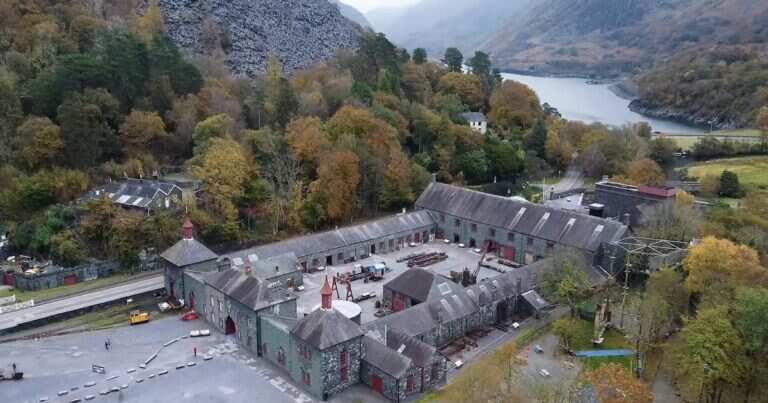
Image Courtesy of National Slate Museum
A major part of the restoration involves bringing the historic workshops back to life while retaining the features that make them an important part of Wales' industrial heritage. The work is not simply about repairing an old building, but about preserving the details that have survived from the days when the workshops served the Dinorwig quarry. This includes the restoration of 113 original windows, which together contain almost 12,000 individual pieces of glass.
Rather than replacing them altogether, specialists are carefully repairing the existing frames and glass panels wherever possible. The original wooden doors are also being restored, with damaged sections of timber repaired to retain their historic appearance.Alongside the conservation work, the redevelopment is also preparing the museum for a different kind of visitor experience. The plans include improved spaces and facilities that will allow people to explore the history of the slate industry while spending more time at the site.
The challenge is to strike a balance between preserving a place that reflects a very different period of industrial life and making it suitable for visitors today.
In that sense, the restoration is as much about protecting the museum's original character as it is about preparing it for the future.
What new facilities visitors can expect after reopening
Image Courtesy of National Slate Museum
Among the additions planned for the museum is a new café, learning and community centre, which will replace the older shop and café buildings that were demolished during the redevelopment.
The new space will give visitors somewhere to spend time at the site, while also providing facilities for school visits, educational activities and local community events. A dedicated play area is also being developed for children, with elements inspired by the region's slate heritage.
Along with improved exhibition spaces, these facilities are expected to make the museum more accessible to families and younger visitors, giving them an opportunity to learn about the industry beyond the machinery and objects on display.The National Slate Museum's redevelopment comes at a time when preserving industrial heritage has become an important part of keeping local histories alive. The slate industry may no longer define everyday life in north-west Wales as it once did, but its influence can still be seen across the region's landscape, architecture and communities. When the museum eventually reopens, visitors will find some new facilities, but the purpose of the place will remain much the same: to tell the story of the workers, their craft and an industry that helped shape an entire region.
The additional funding is therefore not just an investment in a museum, but in keeping that history accessible to generations who may otherwise know little about it.
KioskNews shows a cleaned-up reading view extracted from the publisher’s page — the original always lives on their site, not ours.