Nandan Nilekani-led ‘high-powered task force’ invites suggestions on exam system reforms
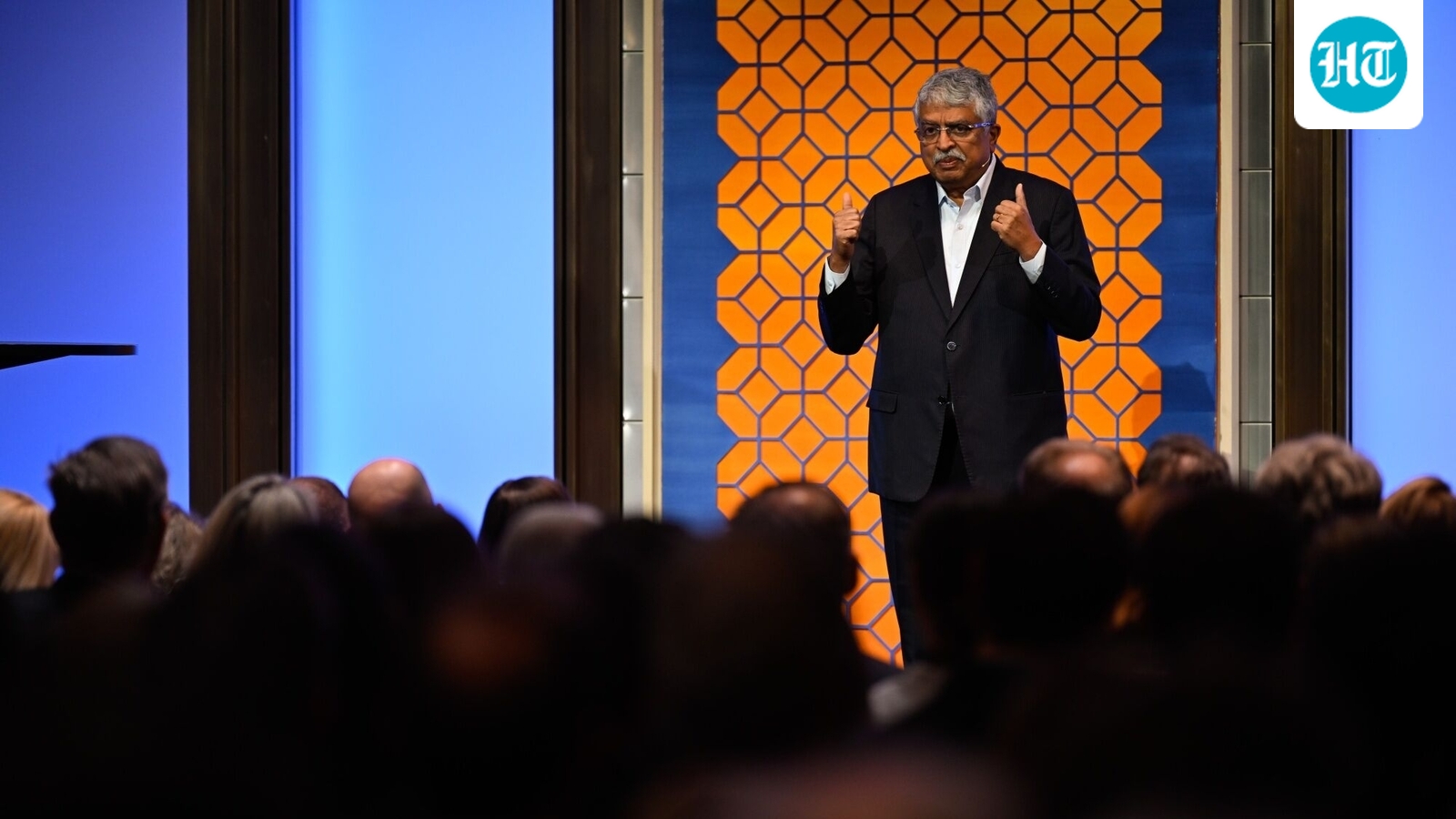
The high-powered task force (HPTF) headed by Infosys co-founder Nandan Nilekani to recommend reforms in India’s public examination system on Friday invited suggestions from students, parents, teachers, academic institutions and other stakeholders, including those involved in exam security, technology, governance and student well-being.

Stakeholders can submit their suggestions by September 13 through the task force’s website, email, phone or WhatsApp +917827042830. Submissions are allowed in English, Hindi and regional languages, according to a press statement of the ministry of personnel, public grievances and pensions, issued on Friday.
The six-member HPTF, constituted by the Centre on July 27, has been tasked with examining comprehensive reforms in the conduct, security, design and governance of public examinations, including those conducted by the National Testing Agency (NTA). The panel will examine measures to strengthen institutional processes, improve examination integrity and security, deploy technology, expand examination infrastructure, improve accessibility and inclusion, and safeguard student well-being.
As part of its exercise to fulfil its mandate for creating a “robust, secure, transparent, equitable and future-ready” examination system, the HPTF has invited suggestions on the conduct and security of public examinations, examination design and assessment methodology, and governance, accountability and institutional arrangements. Stakeholders can also suggest measures for the “prevention, detection and redressal” of examination malpractices, greater use of technology, including “secure Computer-Based Testing”, and creation and augmentation of examination infrastructure.
The task force is also seeking suggestions on an “inclusive examination framework” to improve access across social, economic, regional and linguistic groups, as well as measures to strengthen transparency, grievance redressal and stakeholder communication. Suggestions are also invited on promoting student well-being “throughout the examination process”, besides any other measure that could add value to the examination system.
The move comes despite substantial overlap between the HPTF’s mandate and the recommendations of the High-Level Committee of Experts (HLCE) headed by former ISRO chairman K Radhakrishnan, which submitted 101 recommendations on examination reforms in October 2024. HLCE had received 37,144 suggestions from stakeholders.
As HT reported on August 6, seven of the Nilekani panel’s nine substantive terms of reference were fully addressed, while two were partially covered, by the Radhakrishnan committee.
The new task force, however, has a wider remit, including examining India’s entire public examination ecosystem beyond the NTA and the agency’s governance, human-resource management and statutory framework.
The government has said the new exercise became necessary amid “serious concerns, gaps and constantly evolving threats” to examination security and administrative robustness, particularly in the wake of concerns surrounding NEET-UG 2026. It has also cited rapidly evolving cybersecurity threats and the growing sophistication of technology-enabled threats.
The HPTF has specifically been asked to recommend ways to strengthen and institutionalise NTA’s governance, “from organisational structure to hwuman resource management and statutory framework”. NTA currently functions as a society registered under the Societies Registration Act, 1860, rather than under a dedicated Act of Parliament.
KioskNews shows a cleaned-up reading view extracted from the publisher’s page — the original always lives on their site, not ours.