6 Western Movies With the Highest Rotten Tomatoes Scores, Ranked

Sign in to your Collider account
The Western genre has changed beyond recognition over the last century. Some of its most famous images belong to another era entirely, but filmmakers keep finding new ways to return to the same basic ideas of outlaws and lawmen, land worth fighting over, and people trying to survive in places where the rules are still being written. What changes is how those ideas are presented. Some Westerns build legends, while others tear them apart.
That ability to evolve is a big reason the Western still holds such an important place in cinema. For anyone looking to discover that range, or revisit the genre at its very best, these six highly rated Western movies on Rotten Tomatoes are a pretty great place to start.
6 ‘No Country for Old Men’ (2007)
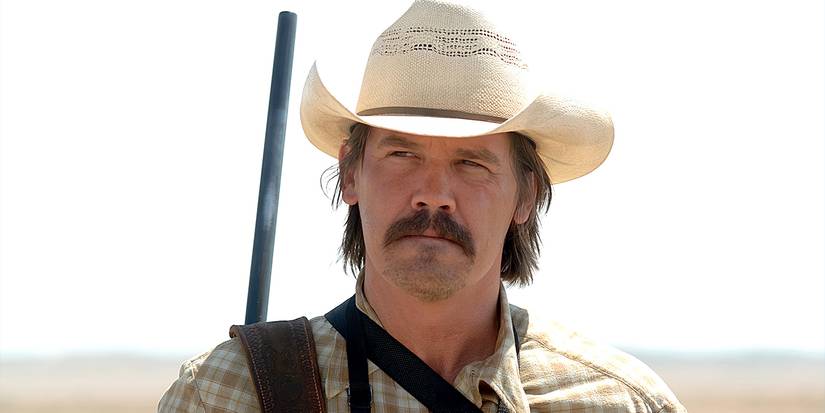
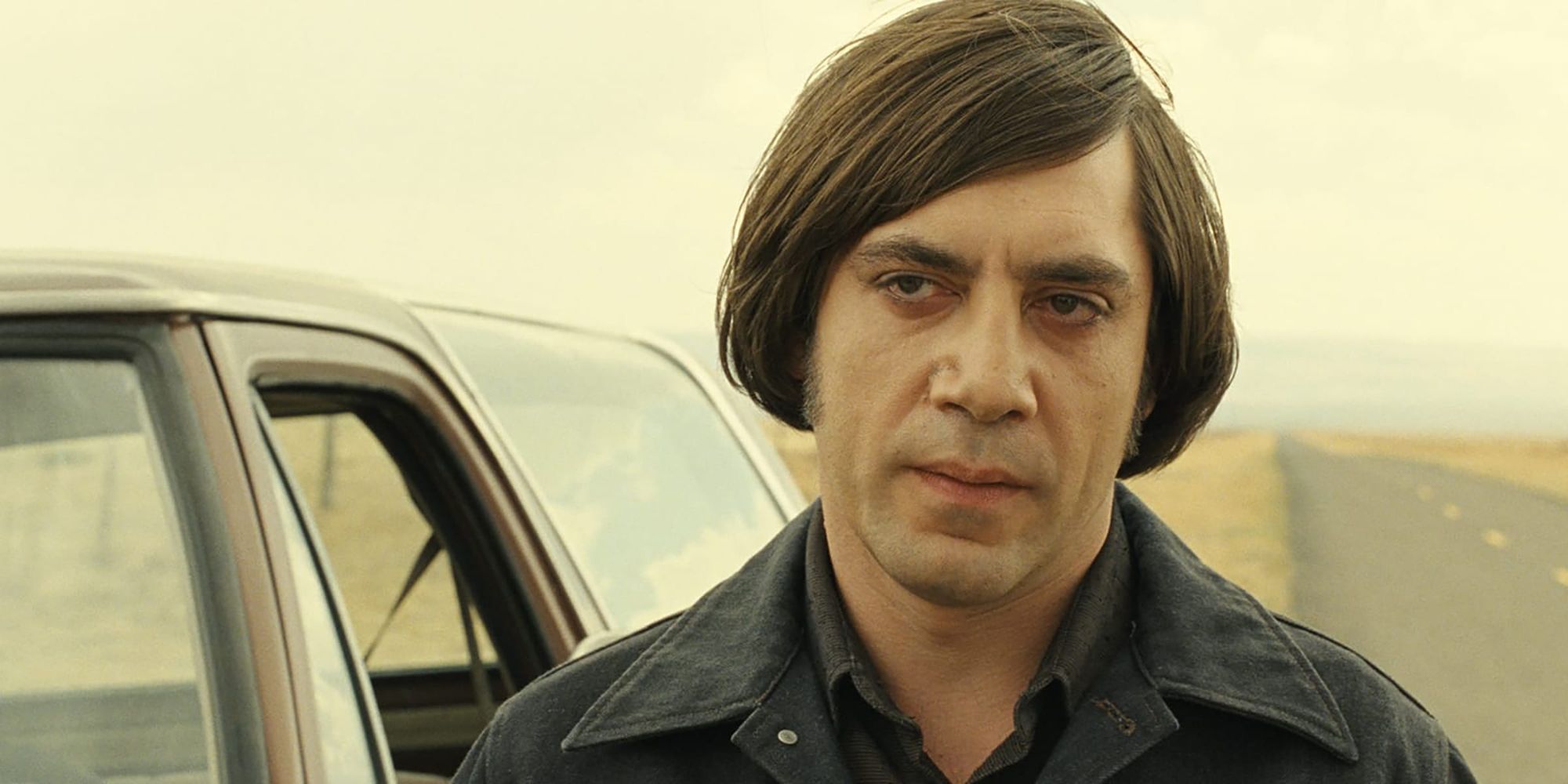
No Country for Old Men takes the classic Western chase and removes any element of comfort from it. Joel and Ethan Coen’s film follows Llewelyn Moss (Josh Brolin), a Vietnam veteran who discovers the aftermath of a drug deal in the West Texas desert and makes the terrible decision to walk away with two million dollars. That puts Anton Chigurh (Javier Bardem) on his trail, a killer who moves through the movie with such frightening calm that he barely feels human. The story also features aging sheriff Ed Tom Bell (Tommy Lee Jones), who follows the trail of bodies Chigurh leaves behind. Initially, this setup sounds like a straightforward cat-and-mouse thriller. The film is anything but that, though. Chigurh does not behave like a traditional Western villain, and Bell spends much of the film arriving just after the worst has already happened.
Even major confrontations are denied the dramatic payoff another movie would build toward. Characters can disappear from the story without ceremony, violence erupts without warning, and the ending deliberately refuses to tie everything together. That is exactly why the movie works so well as a modern Western. The wide Texas landscapes, outlaw on the run, and exhausted sheriff are all familiar pieces of the genre, but No Country for Old Men uses them to tell a much darker story about violence that cannot always be defeated by the right man with a gun. The film currently sits at 93% on the Tomatometer, and its reputation has only gotten stronger with time for all the right reasons.
5 ‘Once Upon a Time in the West’ (1968)

Once Upon a Time in the West takes everything audiences loved about Westerns and turns it into one long goodbye. The story centers on Jill McBain (Claudia Cardinale), who arrives in the frontier town of Flagstone expecting to meet her new husband, only to discover that he and his family have been murdered. Their land, Sweetwater, suddenly becomes incredibly valuable because a new railroad is expected to pass directly through it. Behind the massacre is Frank (Henry Fonda), a ruthless gunman working for railroad tycoon Morton (Gabriele Ferzetti). The story also follows the mysterious Harmonica (Charles Bronson), who seems less interested in the land than in settling a very personal score with Frank.
That setup gives Sergio Leone everything he needs for a classic Western, but the movie rarely behaves like one. The opening alone spends several minutes watching three gunmen do almost nothing while waiting for a train, yet the tension is unbearable. Leone stretches confrontations until every stare, footstep, and piece of silence starts to matter, then lets Ennio Morricone’s score take over when words are no longer needed. Each major character even has their own musical theme, which gives the film an almost operatic quality. It’s also why the story’s slow pace never feels empty, because Leone gives the Old West enough time to die properly. Once Upon a Time in the West currently holds a 96% Tomatometer score, and more than half a century later, it remains one of the clearest examples of a Western using the genre’s own myths to mourn the world they created.
Collider Exclusive · 8 Questions · 2 Minutes Which Western Icon Are You Most Like? No Name · Doc Holliday · Wyatt Earp · Mattie Ross
Pick your name, your gun, your horse and how you spend a night in town, and we will tell you which legend of the Old West you would have been. Four icons are waiting at the end of this: the stranger who never gives his name, the gambler who would die for a friend, the lawman who never wanted the badge, and the girl nobody has ever talked out of anything.
🚬No Name(Dollars Trilogy)
🃏Doc Holliday(Tombstone)
⭐Wyatt Earp(Tombstone)
🐎Mattie Ross(True Grit)
01
The town is about to learn your name. What do they call you? In a Western, what people call you is already half the character.
02
What are you carrying? Everything out here is character, right down to what is sitting on your hip.
03
What are you riding? A hero and their horse is one of the oldest relationships in cinema.
04
You have got one evening in town. How does it go? The saloon is where these films quietly tell you who somebody really is.
05
A stranger offers you money for a job that sounds like trouble. Somebody always turns up with a full purse and a bad idea.
06
Somebody is waiting for you in the street. What does the town see? Two people, an empty road, and everybody else watching from behind the shutters.
07
What is the one thing you will not do out here? The code is about the only thing west of the river that actually holds.
08
The job is finished. Where does the story leave you? Eight questions in, this is the one that decides your icon.
The Dust Has Settled Your Western Icon Is…
Four icons and four completely different ways of walking into trouble. This is the one you would have been out there, why it fits, and what it would have cost you.
The Man With No Name
You have never explained yourself and you have never needed to, because people work out fairly quickly that you are the most capable person in the room without you ever having to mention it.
- Eastwood built the character out of everything he refused to do, stripping away the backstory, the speeches and every bit of reassurance until only the competence was left.
- You keep your own counsel, and while other people occasionally find that unnerving, you have never felt any real need to fix it for them.
- The Dollars films work because he genuinely is in it for himself right up until the moment he is not, and he never explains that part either.
- You would be gone before anybody got a chance to thank you.
Doc Holliday
You are the funniest person in most rooms and the most loyal person in all of them, and you would be genuinely insulted if somebody suggested those two things were in any tension.
- Doc has no real reason to be in this fight beyond the fact that his friend is in it, which is the only reason he has ever needed for anything.
- You lead with wit, and it does a very effective job of hiding how seriously you take the handful of people you actually care about.
- Val Kilmer's performance is the most quoted in the entire genre because the jokes keep getting sharper as the situation gets worse.
- You would spend everything you had on this and still describe it as a good week.
Wyatt Earp
You never wanted this job, and you took it anyway because the alternative was standing there watching somebody less careful do it badly, which is the most Western reason there has ever been.
- Earp is the reluctant authority figure, a man who came to town specifically to be left alone and somehow ended up answerable for all of it.
- You are protective by instinct, so when something goes wrong your first thought is who is exposed rather than who is to blame.
- These films understand that keeping order costs far more than breaking it, and that the person holding the line almost never gets thanked.
- You would do the whole thing again, and you would complain about it the entire time.
Mattie Ross
Nobody has ever successfully talked you out of something you had already decided was right, and a long line of grown adults has found that out the hard way.
- Mattie is the most relentless character in the Western canon and she manages it through argument, paperwork and flat refusal rather than a fast draw.
- You have no patience for being managed, so you negotiate, you check the details and you turn up exactly when you said you would.
- True Grit is the rare Western where the moral centre is the youngest person on screen and every adult around her has to catch up.
- You would get what you came for, and the film is honest about what that takes out of you.
4 ‘Hell or High Water’ (2016)

Hell or High Water is a Western that barely looks like one. It doesn’t feature any saloons or frontier towns. Instead, David Mackenzie gives the genre modern Texas: dying communities, pickup trucks, and two brothers robbing branches of the same bank that is about to take their family’s land. Toby Howard (Chris Pine) is the quieter, more calculated brother, while Tanner (Ben Foster) is unpredictable enough to turn every robbery into a potential disaster. They plan to steal just enough money to pay off their family’s debt before the bank forecloses. However, with Texas Rangers Marcus Hamilton (Jeff Bridges) and Alberto Parker (Gil Birmingham) chasing them, the film turns into a cat-and-mouse story where even the lawmen can understand where these brothers are coming from.
That is where the movie starts subverting the Western. The system Toby and Tanner steal from is never presented as perfect. At the same time, Marcus fits the image of the aging lawman, but even he knows that catching these brothers will not fix whatever pushed them into crime in the first place. The film still has shootouts, open roads, tense standoffs, and men testing each other’s nerve, but it reshapes almost every familiar Western trope around something much more personal, which justifies its 97% Tomatometer score.
3 ‘My Darling Clementine’ (1946)

My Darling Clementine is less interested in how the West really was than in how America eventually chose to remember it. John Ford’s film primarily follows Wyatt Earp (Henry Fonda) and the gunfight at the O.K. Corral. The story begins when Wyatt and his brothers arrive near Tombstone while driving cattle west, only to return from town and discover their herd stolen and their youngest brother dead. Wyatt suspects the Clanton family, but instead of immediately reaching for revenge, he takes over as town marshal and decides to bring them down through the law. That decision also puts him in the path of Doc Holliday (Victor Mature), a brilliant but self-destructive gambler whose unusual friendship with Wyatt becomes just as important as the coming showdown.
Unlike most Westerns of its time, My Darling Clementine never rushes toward one inevitable gunfight. The film focuses heavily on the transformation of Tombstone into a real community, and its quieter moments give the eventual violence an emotional weight that is hard to shake off. The history is heavily romanticized, of course, but that almost feels beside the point. My Darling Clementine is Ford building the Western myth in real time, where civilization pushes against lawlessness, and a frontier town begins to resemble a home. Nearly 80 years later, it still holds a 100% Tomatometer score, and that’s thanks to its unmatched blend of mythmaking, character, and atmosphere, all of which matter just as much as the gunfire.
2 ‘Stagecoach’ (1939)

Stagecoach is another Ford masterpiece that practically defined the Western genre. The story follows a stagecoach with passengers from completely different corners of society as they travel toward Lordsburg through dangerous territory. The characters include Dallas (Claire Trevor), a woman driven out of town by its respectable citizens; alcoholic doctor Doc Boone (Thomas Mitchell); a nervous whiskey salesman; a pregnant officer’s wife; and eventually the escaped outlaw Ringo Kid (John Wayne). Everyone enters the coach carrying their own secrets and reasons for making the journey. This means the tension inside the vehicle often becomes just as interesting as whatever is waiting for them outside.
This simple setup helped completely change the Western. Instead of treating its characters as people who just keep getting involved in gunfights, Stagecoach watches them judge each other, depend on each other, and slowly reveal who they really are once survival becomes more important than social status. Ford constantly moves between intimate character drama and the huge landscapes of Monument Valley, which makes the journey feel both claustrophobic and enormous at the same time. When the power-packed action finally arrives, the film has earned every bit of it. More than 80 years later, Stagecoach holds a 100% Tomatometer score and is credited for helping push the Western beyond the cheap B-movie reputation it had developed during the 1930s.
1 ‘Winchester '73’ (1950)

Winchester ’73 is the ultimate revenge Western. Anthony Mann’s film follows skilled marksman Lin McAdam (James Stewart), who arrives in Dodge City hunting the outlaw Dutch Henry Brown (Stephen McNally). Lin beats him in a shooting contest and wins a prized Winchester rifle, only for Dutch to steal it almost immediately. From there, the gun begins moving from owner to owner while Lin continues his pursuit. It passes through gamblers, criminals, traders, and gunfighters, with every new owner pulling the audience into another corner of the frontier before everything eventually circles back to Lin and Dutch.
The Winchester ‘73 has a structure that makes it impossible to stop watching. The film uses the rifle as a vehicle for greed, violence, and desperation in completely unrelated people. The gun almost feels cursed because whoever owns it practically invites trouble. Winchester ’73 feels surprisingly modern because of its episodic structure. The Western is full of shootouts and frontier adventure, unfolding with genuine unpredictability, which makes it easy to understand why it holds a 100% Tomatometer score more than 70 years after its release.

- Release Date
- July 12, 1950
- Runtime
- 92 Minutes
- Director
- Anthony Mann
KioskNews shows a cleaned-up reading view extracted from the publisher’s page — the original always lives on their site, not ours.