DENR ramps up measures to prepare communities for El Niño
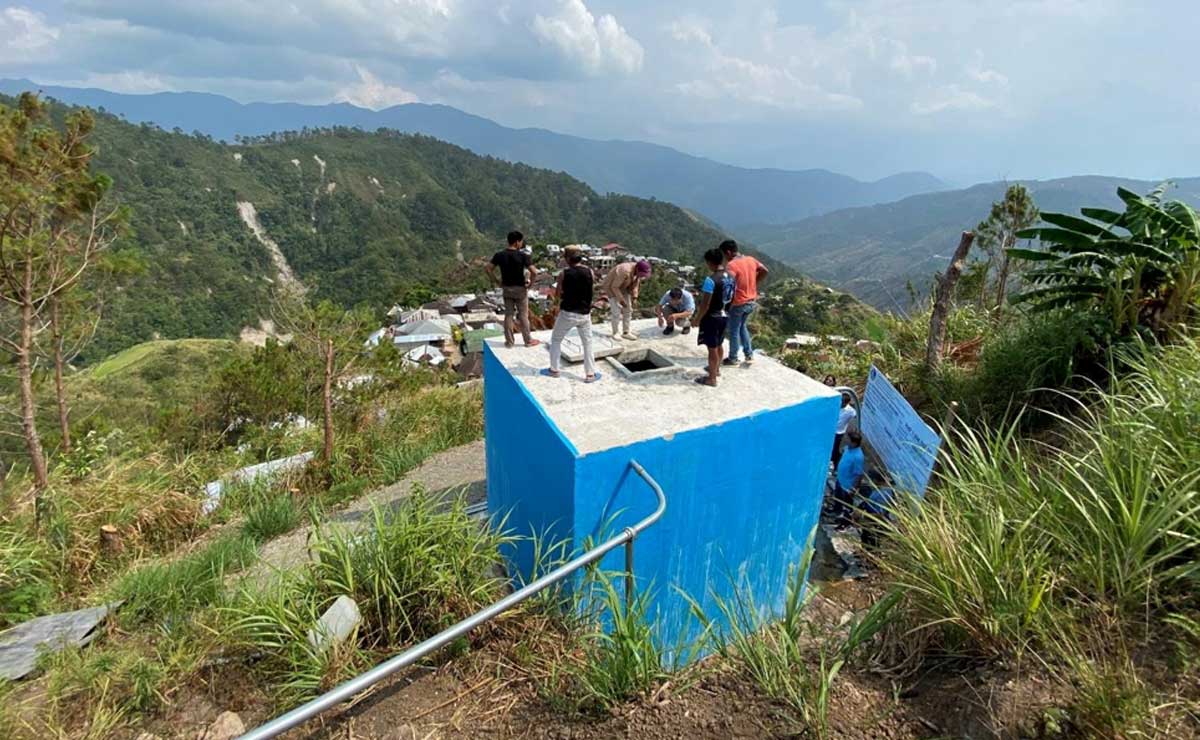
MANILA, Philippines – The Department of Environment and Natural Resources (DENR) has mobilized its regional offices, line bureaus and field units to strengthen nationwide preparedness and mitigation measures against the ongoing El Niño, as DOST-PAGASA warns that this climate pattern may intensify into a very strong event before the end of 2026 and persist through the first half of 2027.
The DENR’s heightened preparations include building additional water sources, promoting water conservation, protecting watersheds and forests, preventing forest fires, safeguarding vulnerable ecosystems, and protecting personnel from extreme heat.
El Niño is expected to bring increased risks of prolonged dry conditions, reduced water availability and extreme heat in parts of the country.
Article continues after this advertisement
“With the critical action window now upon us, every DENR unit must proactively execute climate adaptation and risk reduction protocols,” DENR Secretary Juan Miguel “Mitch” Cuna said.
FEATURED STORIES
NEWSINFO
NEWSINFO
NEWSINFO
“By closely coordinating with local government units, monitoring our vital water systems, and promoting strict conservation practices, we are taking decisive steps to protect our communities, ecosystems, and natural resources from the severe impacts of this climate phenomenon,” he added.
The DENR has constructed small water impounding structures and rainwater harvesting systems to provide additional water supply during periods of limited rainfall.
Its regional offices and attached agencies are also strengthening water conservation, watershed monitoring, forest-fire prevention, ecosystem protection and heat-safety measures in coordination with local governments and other stakeholders.
In Central Luzon, PENRO-Pampanga and regional field units are conducting information campaigns in barangays and community colleges in Guagua and Lubao, to promote simple water-saving practices such as using buckets instead of hoses, reusing greywater, repairing leaks and harvesting rainwater.
Article continues after this advertisement
DENR Region 3 is also monitoring possible coral bleaching linked to elevated sea surface temperatures in coastal areas, including Aurora.
In the Caraga region in Mindanao, the Mines and Geosciences Bureau (MGB) has advised mining companies and processing plants to manage water demand, check for leaks, harvest rainwater, and establish cooling stations and early warning systems for extreme heat.
Article continues after this advertisement
Advisories have also been sent to provincial governors in Agusan del Norte, Agusan del Sur, Surigao del Norte, Surigao del Sur and Dinagat Islands to strengthen local DRRMCs and monitor critical watersheds.
Meanwhile, the Environmental Management Bureau (EMB) in Region 11 has strengthened health and safety measures for field personnel, including limiting high-exposure outdoor work from 10:00 a.m. to 4:00 p.m., providing personal protective equipment and ensuring continuous hydration.
These measures help conserve water for communities during dry periods, protect forests and watersheds, and safeguard people and livelihoods that depend on healthy ecosystems.
Water impounding structures and rainwater harvesting systems provide additional sources of water when rainfall is limited, while conservation efforts help make available supplies last longer. Protecting forests and watersheds also helps maintain the natural systems that collect, store and regulate water.
The DENR’s proactive measures support the government’s broader preparations for El Niño and the call of President Ferdinand R. Marcos Jr. for government agencies to prepare early for the expected dry spell.
Your subscription could not be saved. Please try again.
Your subscription has been successful.
Through early action, continuous monitoring and coordination with local governments and other stakeholders, the Department is working to strengthen the country’s climate resilience and help communities better manage the effects of El Niño.
KioskNews shows a cleaned-up reading view extracted from the publisher’s page — the original always lives on their site, not ours.