DENR confirms 168-hectare peatland in Leyte town
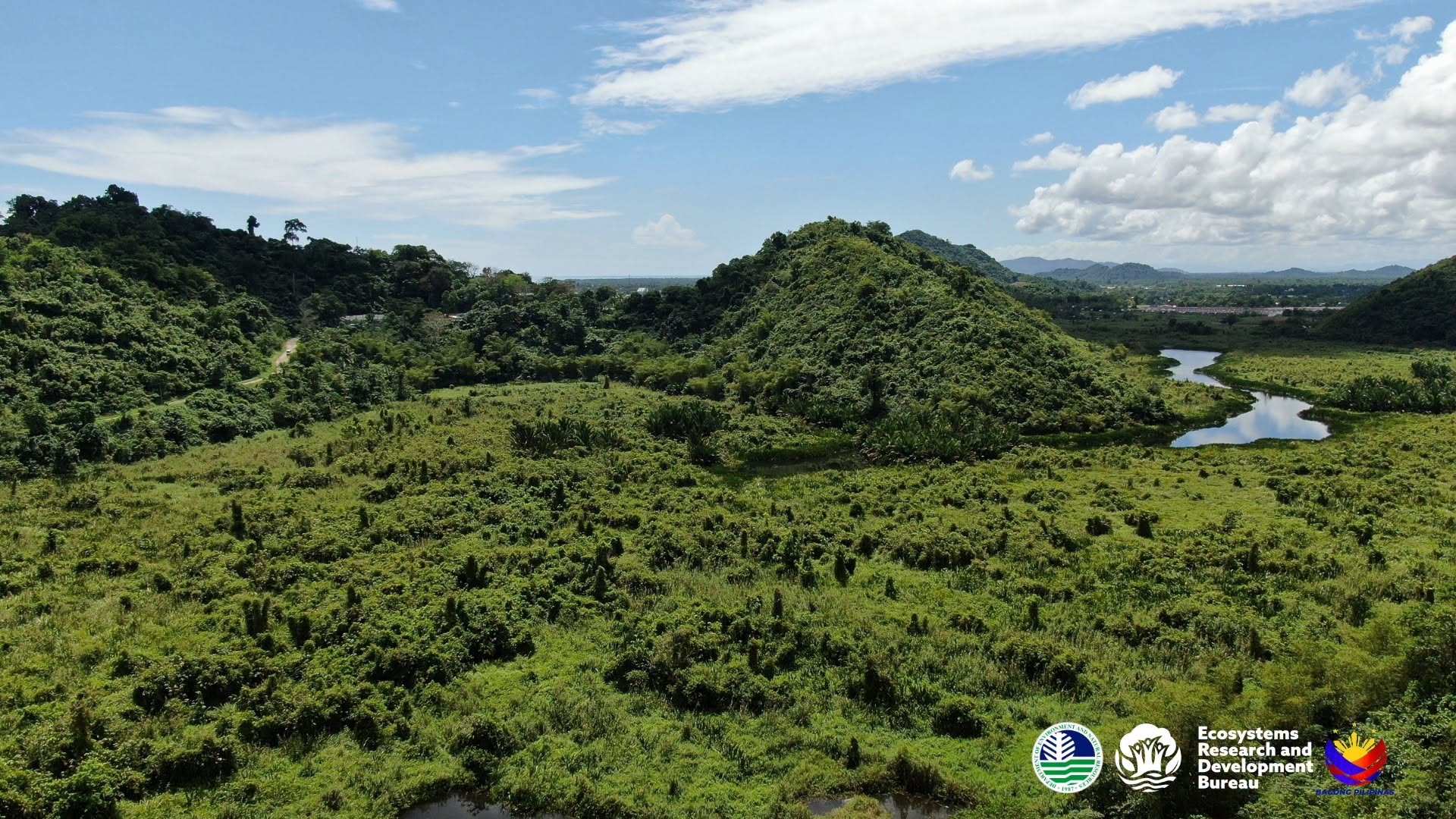

TACLOBAN CITY — The Department of Environment and Natural Resources (DENR) has confirmed a new peatland covering a probable 168.34 hectares (ha) in Palo, Leyte, adding to the country’s growing inventory of carbon-rich wetland ecosystems that play a role in climate change mitigation.
The newly identified Palo, Leyte Peatland (PLP) spans parts of Barangays Barayong and Campetik, according to the DENR’s Ecosystems Research and Development Bureau (ERDB) in a recent report.
However, further field validation is needed to determine whether the site meets the country’s national standards for peatland classification.
Article continues after this advertisement
READ: DENR gets $278M for marine protection, drive vs plastic waste
FEATURED STORIES
NEWSINFO
NEWSINFO
NEWSINFO
The assessment, conducted by the ERDB’s Watershed and Water Resources Research, Development and Extension Center in coordination with the DENR’s Leyte provincial office, found peat deposits reaching depths of up to 150 centimeters.
Eleven soil samples collected from three sampling points showed an average organic matter content of 21.83%, with levels ranging from 10.84% to 33.70%. The findings met the organic matter criterion used in tropical peatland inventories under the Ramsar Convention, although additional assessments are needed to establish the site’s classification under DENR Administrative Order No. 2022-06.
The site lies southeast of the Leyte Sab-a Basin Peatland, another recognized peatland ecosystem in Leyte, and one of the country’s largest at over 2,000 ha.
Researchers also documented wetland vegetation, including lumbiya (Metroxylon sagu), gaas (Xerotes longifolia) and cayapo or kiyapo (Pistia stratiotes).
Article continues after this advertisement
Peatlands are wetlands where partially decomposed plant material accumulates over long periods, forming organic-rich soil that can store large amounts of carbon. They also help regulate water and provide habitats for various plant and animal species. Disturbing or draining these ecosystems can release stored carbon into the atmosphere.
The ERDB said the discovery adds to the 28 confirmed peatlands in the Philippines, 18 of which have been assessed by the bureau. Since 2018, it has been conducting research and field assessments to establish information on the distribution, characteristics and ecological condition of peatlands nationwide.
Article continues after this advertisement
Further fieldwork and validation will be necessary to establish the Palo peatland’s status under national standards and guide appropriate conservation measures. INQ
KioskNews shows a cleaned-up reading view extracted from the publisher’s page — the original always lives on their site, not ours.