7 Best Gangsters From Guy Ritchie Shows

Faith Roswell is a Senior Writer on Screen Rant's Classic TV team. Since earning her degree in Creative Writing over a decade ago, Faith has written articles on film and TV from a variety of different angles. Faith now combines her knowledge of psychology with her love of monster movies to give more insight into what makes the best ones.
You may have read her Screen Rant lists and features covering horror, sci-fi, and fantasy, or read her Amazon Top 10 book, "Movie Monsters of the Deep."
Faith has had an extensive career as a writer, appearing on BBC live radio, researching true crime for Rotten Mango podcast, and writing for publications including Mental Floss, Atlas Obscura, and The Daily Jaws before beginning here at Screen Rant.
From improbably named and larger than life characters like Lock, Stock, and Two Smoking Barrels' Hatchet Harry and Snatch's Bullet Tooth Tony, to the genuinely terrifying, like Mobland's Harry Da Souza, nobody writes gangster characters like Guy Ritchie. The iconic director made his career writing gritty but cinematic crime comedies with twisting plots that interconnect in a way that has been emulated ever since, with many of the best crime TV shows of all time being influenced by his signature style.
The TV shows based on Guy Ritchie's movies have had mixed success as not all of them have got the formula and tone right. However, this changed with The Gentlemen, loosely connected to his movie of the same name, which perfectly nailed the combination of brutality and hilarity. Followed up by MobLand, Guy Ritchie's TV shows are now going from strength to strength, with some of his best TV gangster characters set to become as notorious as any in his movies.
While his dramatization of a real-life robbery in The Diamond Heist introduced us to Lee Wenham and his story, and Lock, Stock... continued his tradition of chaotic but memorable characters like Miami Vice, Three Feet, and Firebug, MobLand and The Gentlemen have given us some of the best gangster characters in TV history.
Maeve Harrigan (MobLand)

Helen Mirren is one of the greatest actors working today, and while she is best known for iconic roles like Queen Elizabeth and emotionally complex comedy dramas, like Calendar Girls, she has played her fair share of gangster and crime-adjacent characters too, like Queenie in Hobbs and Shaw, and Victoria in The Long Good Friday. Still, none beat Maeve Harrigan in MobLand. The Harrigans are one of TV's best crime families, and Maeve proves that a character does not need to be physically intimidating or loud in order to be utterly terrifying.
She is every bit as dangerous as the men surrounding her, understanding the underlying structure behind their empire perhaps better than any of them. Unlike most gangster families, like the Sopranos and the Sons of Anarchy MC, Maeve routinely betrays her family, proving that a great gangster character does not have to be likable. Maeve is a manipulative wildcard willing to trade everything she has for power and control, which makes her one of the most unpredictable and unusual of Guy Ritchie's characters, and all the more fascinating for it.
Uncle Stan (The Gentlemen)

Guy Ritchie's projects are extremely British, using East End settings, distinctive dialects, and signature British humor. In a great role reversal for the many gangster movies and TV shows set in the US, it is the American character who stands out in the chaos of The Gentlemen. Uncle Stan is a calculating and seemingly cold-blooded strategist whose methamphetamine empire is his life's work. Played by Giancarlo Esposito, this might sound uncannily like his career-making Breaking Bad character, Gus Fring. However, the two only share basic similarities, and Uncle Stan fits right into Ritchie's world while Fring would not.
Uncle Stan is fascinated by British aristocracy, which is reflected in his stylish appearance and demeanor. His monologue on British tailoring reveals how desperate he is to become part of what he sees as the elite, while his commentary contrasting the criminal underworld with privileged society is the best line in The Gentlemen and defines the show in just a few words. Esposito was the perfect casting choice for the character, as he is able to convey menace through stillness and a glance, while the character gives him more to play with through his eccentricity.
Gospel John (The Gentlemen)

The Bible-quoting gangster might not have lasted for long in The Gentlemen, but he stole every scene he had, using scripture to justify his every criminal action and leading prayers before a raid. Ritchie's ability to create a fully rounded character through just a few details is on display here, with John's organ music ringtone playing "Heaven is a Place on Earth," and his crucifixion-like posture as he rides with a gun in his hand.
Many of Ritchie's characters are walking contradictions, often being animal lovers but perfectly willing to torture human characters, or hardened criminals who appear entirely different when in the same room as their mothers. This contrast applies to virtually all of the characters in The Gentlemen, and yet Gospel John still stands out, which is a testament to Ritchie's writing and Pearce Quigley's performance. John is ridiculous, but no less dangerous, and even his violent ending did not overshadow his best scenes in the show.
Susie Glass (The Gentlemen)

Most of Ritchie's movies and TV shows have been male-centered, with few notable female characters. This has changed dramatically in recent years, with Susie Glass (Kaya Scodelario) not only being one of The Gentlemen's best characters, but one of the most compelling female gangsters on TV. Susie Glass improves one major character from the original The Gentlemen movie, despite the two projects telling standalone stories, highlighting how Ritchie is evolving as a writer and director. The daughter of criminal patriarch Bobby Glass, she keeps the operation running as the unshakable logistics co-ordinator.
The Gentlemen has been renewed for a third season.
Rather than remaining behind the scenes, managing the business dealings on paper, Susie is an integral part of the criminal empire and her working relationship with Eddie Horniman regularly proves her expertise. Even in the moments that see her sitting quietly to the side, she is the show's reigning authority, even at the center of some of the most ludicrous scenes, including keeping a straight face during the infamous "chicken suit" moment.
Harry Da Souza (MobLand)

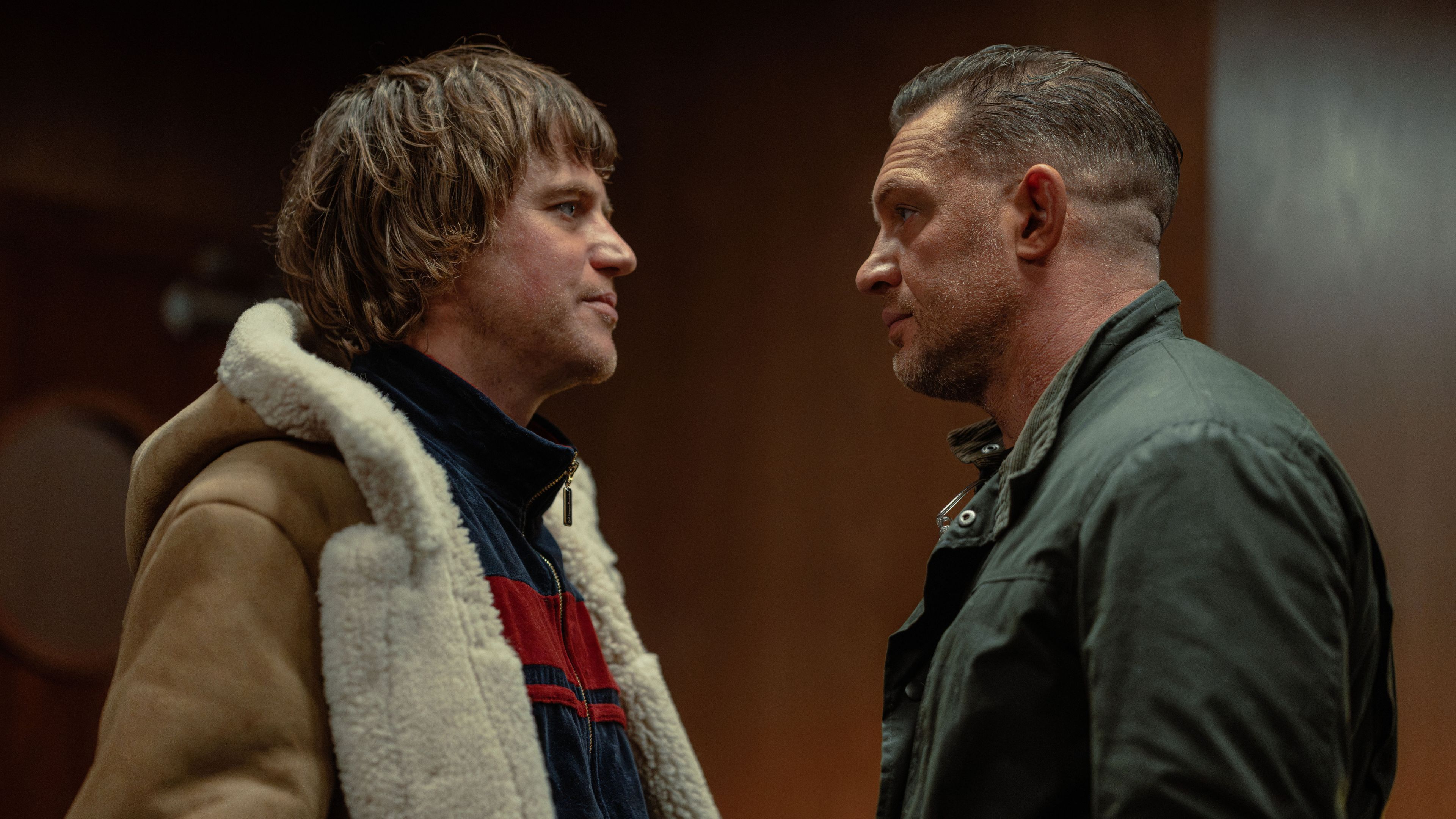
Even after a long career playing tough men and criminal enforcers, MobLand's Harry Da Souza is easily one of Tom Hardy's greatest gangster characters. As the Harrigan family's trusted fixer, Da Souza has an interesting position in their world. While not an official part of the family, he is utterly loyal to them, rejecting bribes and proving himself capable of virtually anything while protecting their safety. Unlike other characters with similar roles, he is calm, measured, and patient, with the confrontation in episode 2's smoky club showing his skills at their best.
From Max Rockatansky to Ronnie Kray, Tom Hardy can bring quiet characters to life in a way few other actors can, and this makes Da Souza one of the best in MobLand. Others characters listen when he speaks, while the viewer sees the emotional layer under the surface, with his line to Conrad, "it's all war," acknowledging his acceptance of his own life, without normalizing it. Even so, rather than turning Da Souza into a "reluctant gangster with a heart" cliché, his showdown with Valjon and the concrete reminds us of the violence he is capable of.
Bobby Glass (The Gentlemen)

The Gentlemen added 33 million viewing hours to streaming charts, dominating the crime TV landscape and bringing Guy Ritchie's signature style to TV in a way that had been attempted but was never truly successful. This feat was largely due to the show's characters, who represent the best of Ritchie, being eccentric, dangerous, and rarely predictable. Bobby Glass (Ray Winstone) represents the old school criminal empire, tricking even his allies through loyalty tests and pulling strings even from behind bars.
One of the best and funniest aspects of Bobby is the way he treats his criminal dealings as a normal business, apparently considering himself respectable and competent, while his work just happens to contain a lot of illegal activity. This is absurd but it gives the character a confidence that is hard to shake. Whether at the estate or in prison, Bobby never needs to demonstrate his authority as everyone recognizes it when he enters the room.
Frankie Cooper (MobLand)
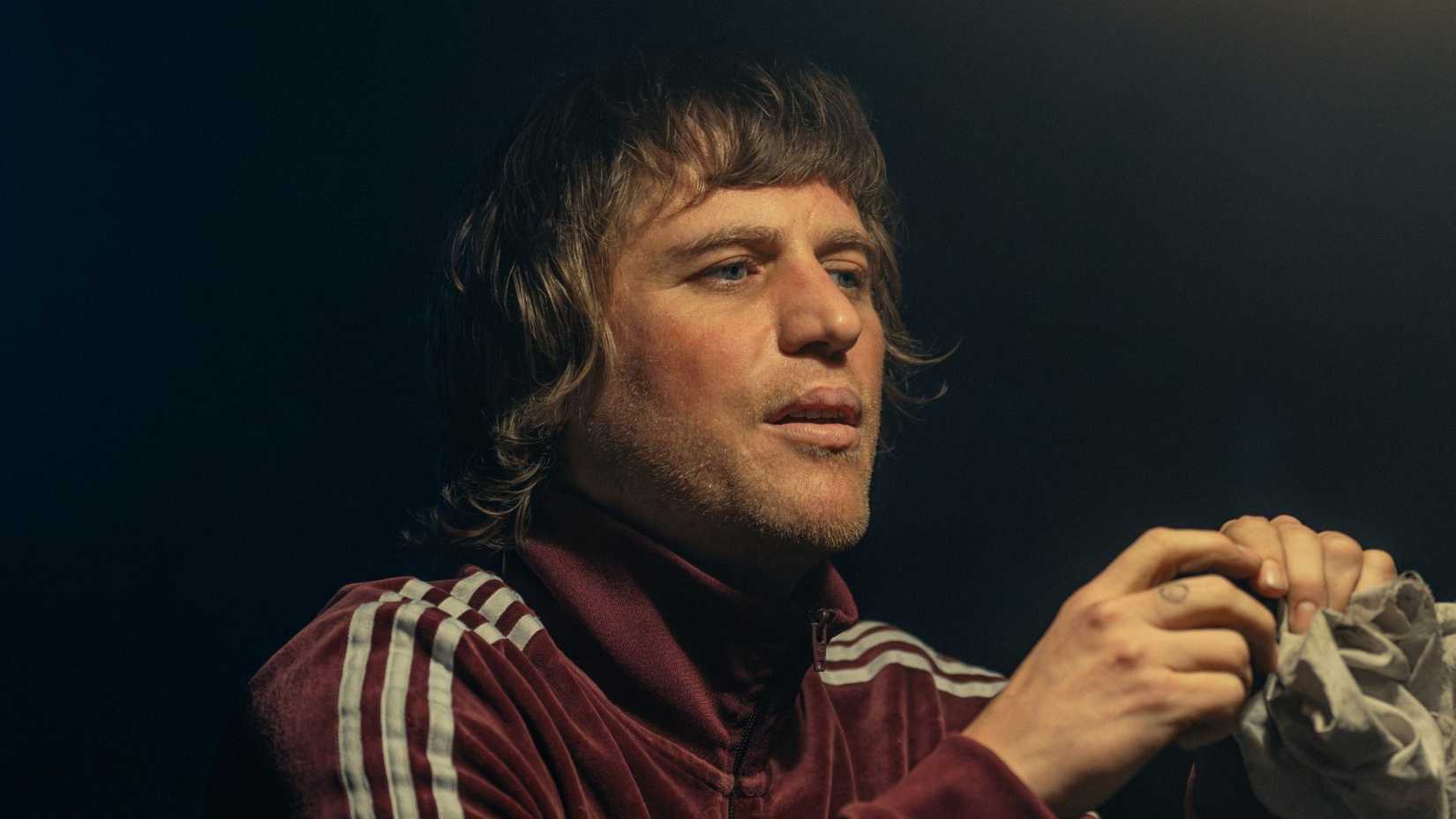
MobLand introduced Guy Ritchie's best villain in season 2, with Frankie "The Beast" Cooper (Johnny Flynn) instantly making his mark on the show and characters. He is wildly unpredictable, sometimes cartoonish, and utterly unhinged. We see Frankie barbecuing in a Hawaiian shirt, getting a pedicure, and brutally murdering pets, yet he is eerily competent, making him one of the most disturbing characters Guy Ritchie has ever sent to the screen.
From the tracksuit to the haircut and demeanor, Frankie has more in common with the terrifying Jimmies from the apocalyptic 28 Days Later franchise than most other TV gangsters, but this is what makes him such an excellent character. He does not conform to the image of a typical British crime boss, a bloodthirsty enforcer, or one of Ritchie's hilariously incompetent small-time criminal characters that would often appear in this way. Instead, he is something else entirely, and if he appears in the upcoming third season, he is certain to steal the show.
KioskNews shows a cleaned-up reading view extracted from the publisher’s page — the original always lives on their site, not ours.