Labor is on the skids. If there’s a cunning plan, it needs to be unveiled soon
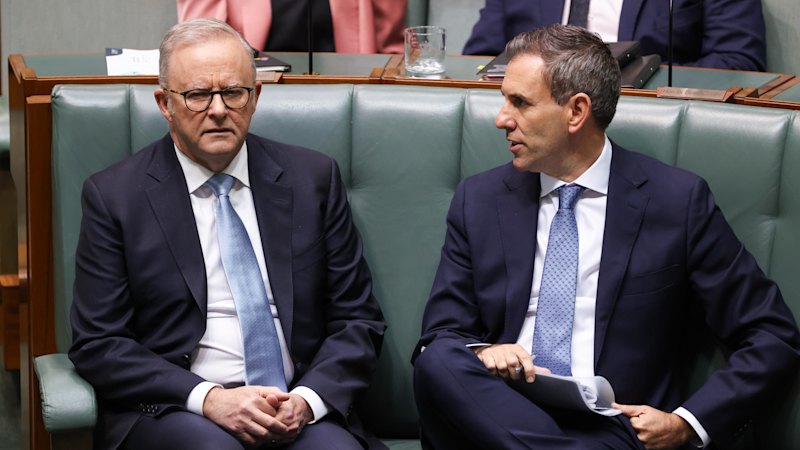
The second year of Labor’s second term in office has featured a near-perfect storm of bad news at home and abroad that has derailed the Albanese government’s best-laid plans.
A war in Iran, a major spike in petrol and diesel prices, a mercurial US president, inflation running well ahead of the Reserve Bank’s target band – pushing up the price of everything, from groceries to infrastructure projects to the cost of building a house – five interest rate rises and a series of tax measures designed to gently cool house prices (but which combined with those rate rises did a lot more than that) have ensured that, as 2026 wraps up, Labor is on the skids.
But there have been successes. Labor has passed major legislation this year including the digital duty of care laws, gambling law reforms and introduced totemic tax changes the party has pursued for a generation on negative gearing, capital gains tax and the taxing of trusts. It has also begun the work of trimming back the NDIS, an overdue endeavour that requires a high degree of care.
On foreign policy, Albanese and Labor have steered a cautious middle path with considerable success. That includes wresting the Solomon Islands out from under China’s thumb and agreeing a deal for Australia to be the nation’s number one security partner, avoiding entanglement in Donald Trump’s Iran quagmire, building stronger ties with China while remaining clear-eyed about the threat that country poses, renewed or strengthened security deals with countries ranging from the Philippines to Indonesia to Japan and Papua New Guinea.
Credit where it’s due. And yet, the crankiness of ordinary voters only continues to grow, with Albanese’s status as preferred prime minister hovering at around just 29 per cent since June. The most recent Resolve Political Monitor showed that just 34 per cent of voters think Albanese was doing a good or very good job, while 56 per cent said he was doing a poor or very poor job – a net performance rating of minus 22 percentage points and far behind Taylor’s rating of plus nine percentage points.
Labor can take some comfort from the fact that it has led all other parties on the most important measure, the primary vote, for most of the year. But with its primary vote at just 28 per cent, it is hardly in a position to crow about how popular the party is. To put it simply, the cost of living remains voters’ number one concern, streets ahead of any other single issue (41 per cent of voters nominated it in the most recent poll).
Rather than being feted by voters for introducing generational tax reform – did Labor really think that was going to happen? – they have been smashed by their political opponents and the right wing commentariat for not undertaking “real” reform (the tax changes in the budget are real and substantial reforms, just not the sort Labor critics would have undertaken).
Labor insists its tax changes need to wash through the system and should be assessed after a couple of years rather than a few months. That’s a reasonable request, and there is already evidence that first home buyers are having an easier time getting into the market as investors pause. But five interest rate rises this year have severely exacerbated the housing price crunch and provided plenty of ammunition for critics of the tax changes. They have also spooked households that the value of their home is headed south, creating a nightmare situation for the government that clearly thinks the Reserve Bank has gone too far, but is anxious about criticising the independent central bank too heavily.
More pointedly, those rate rises, designed to reduce inflation, will take about 12 months to wash through the economy and cool the domestic factors contributing to it. But they have no impact on things like higher oil prices, which have been caused by the war on Iran, and their impact is being felt right now in higher prices for goods and services just as households have less money for both essential and discretionary spending.
Which brings us to the argument du jour: should Labor have cut back more, and sooner, on federal government spending in the domestic economy? Chalmers and his Finance Minister, Katy Gallagher, regularly trumpet the fact they’ve found more than $180 billion in savings over the course of their four and a half years in office. But it’s a misleading claim, with economist Chris Richardson noting this week that, in net terms, the budget is $100 billion worse off since Labor was elected.
When Richardson and fellow independent economist Saul Eslake both say Labor should have delivered more than the two budget surpluses it has recorded to date, you have to take that seriously. The corollary of that is the government does, therefore, have a spending problem and needs to cut harder.
Chalmers promised some “budget-sized savings” in the next mid-year budget update, due next month. That will help but it’s too late to immediately tamp down inflation.
So as the 2026 parliamentary year ends, for all the government’s legislative achievements, the federal budget is in a poor state, unemployment, interest rates, inflation and the cost of just about everything are rising, voters are fed up and 2027 will bring more pain, at least in the short term, as Chalmers made clear in an unusually blunt ministerial statement earlier this week.
It all adds up to a bad year for Albanese and Labor, and more of the same on the way. The prime minister has time to turn things around before an election due in May 2028. But if he has a cunning plan to fix things, he’d want to unveil it as soon as possible.
James Massola is Chief Political Commentator. He has previously been National Affairs Editor and South-East Asia Correspondent, and has won Quill and Kennedy awards and is the 2026 Press Gallery Journalist of the Year. Connect securely on Signal @jamesmassola.01
KioskNews shows a cleaned-up reading view extracted from the publisher’s page — the original always lives on their site, not ours.