ICC Prosecution restructures evidence list vs. Rodrigo Duterte, seeks admission of 3 recorded testimonies
Make this your preferred source to get more updates from this publisher on Google.
The International Criminal Court (ICC) Office of the Prosecutor has restructured its List of Evidence in former President Rodrigo Duterte’s case, following a further review of the materials.
In a filing made public on October 12, Acting Prosecutor Mame Mandiaye Niang said the revised list was divided into seven categories “in order to provide a clearer understanding of the categories of evidence the Prosecution seeks to rely upon.”
The prosecution also said it had further reviewed the list following the September status conference and removed 253 items, so far.
The seven categories include:
- Materials cited in the prosecution’s Trial Brief and annexes;
- Materials related to trial witnesses;
- Speeches by Duterte and other alleged co-perpetrators;
- Several datasets;
- Materials received from a redacted source and non-governmental organizations;
- Open-source material; and
- Other evidence
One of the datasets is publicly described as containing Philippine National Police (PNP) “records related to killings in PNP anti-drug operations and other drug-related killings during the charged period.” Some dataset names and sources of material remain redacted in the public filing.
The prosecution said materials cited in its Trial Brief and annexes comprise the “key items of evidence” in its case.
The prosecution also said it could remove almost 7,000 more items “should the Defence agree to the proposed agreed facts in relation to the [REDACTED] collection.” The filing does not publicly identify that collection.
The filing comes amid continuing disputes over the volume and organization of evidence in Duterte’s case.
During the September status conference, Duterte’s defense raised concerns about the amount of material it had to review ahead of trial. Meanwhile, the prosecution has maintained that it has taken steps to organize and disclose the evidence.
Disclosure and the prosecution’s List of Evidence are also among the matters expected to be discussed during Duterte’s fourth status conference on October 13.
Prosecution seeks to use recorded testimony of three witnesses
In another filing also made public on October 12, Niang asked Trial Chamber III to admit the prior recorded testimonies of three witnesses instead of requiring them to testify live.
Niang said the testimonies of witnesses identified as P-1370, P-1393 and P-1416 are “viva voce” (oral rather than written) and mainly concern alleged extrajudicial killings in Central Luzon and the “contextual elements of crimes against humanity.”
“All Three Witnesses have attested that their Prior Recorded Testimonies were given voluntarily and their contents were true to the best of their recollection of the events,” the filing stated.
“The Prior Recorded Testimonies that the Prosecution seeks to introduce into evidence, pursuant to rule 68(2)(b) of the Rules, are relevant, reliable and probative.”
Niang said the accounts relate to an alleged policy to “neutralise” suspected criminals through violent crimes, including murder.”
One of the witnesses, P-1393, allegedly described a killing involving police officers in San Jose del Monte, Bulacan. According to the prosecution filing, the witnesses said officers manufactured a self-defense scenario and planted drugs, a gun, and money on the victim.
The same witness also described a change in police conduct during “One Time Big Time” (OTBT) operations after Duterte became president, including what the prosecution characterized as a “preference for killings instead of arrests.”
The prosecution argued that using the recorded statement would save court time and resources and would not prejudice Duterte’s rights.
It also stated that the defense could cross-examine viva voce witnesses “on the basis of information contained in the Prior Recorded Testimonies”, argue on the weight of these testimonies “to the extent that discrepancies exist with other evidence”, or present contradictory evidence.
“Granting the request will enhance the expeditiousness of the proceedings, obviate the unnecessary appearance of the witnesses, save valuable court time and resources, and serve the interests of justice,” the prosecution said.
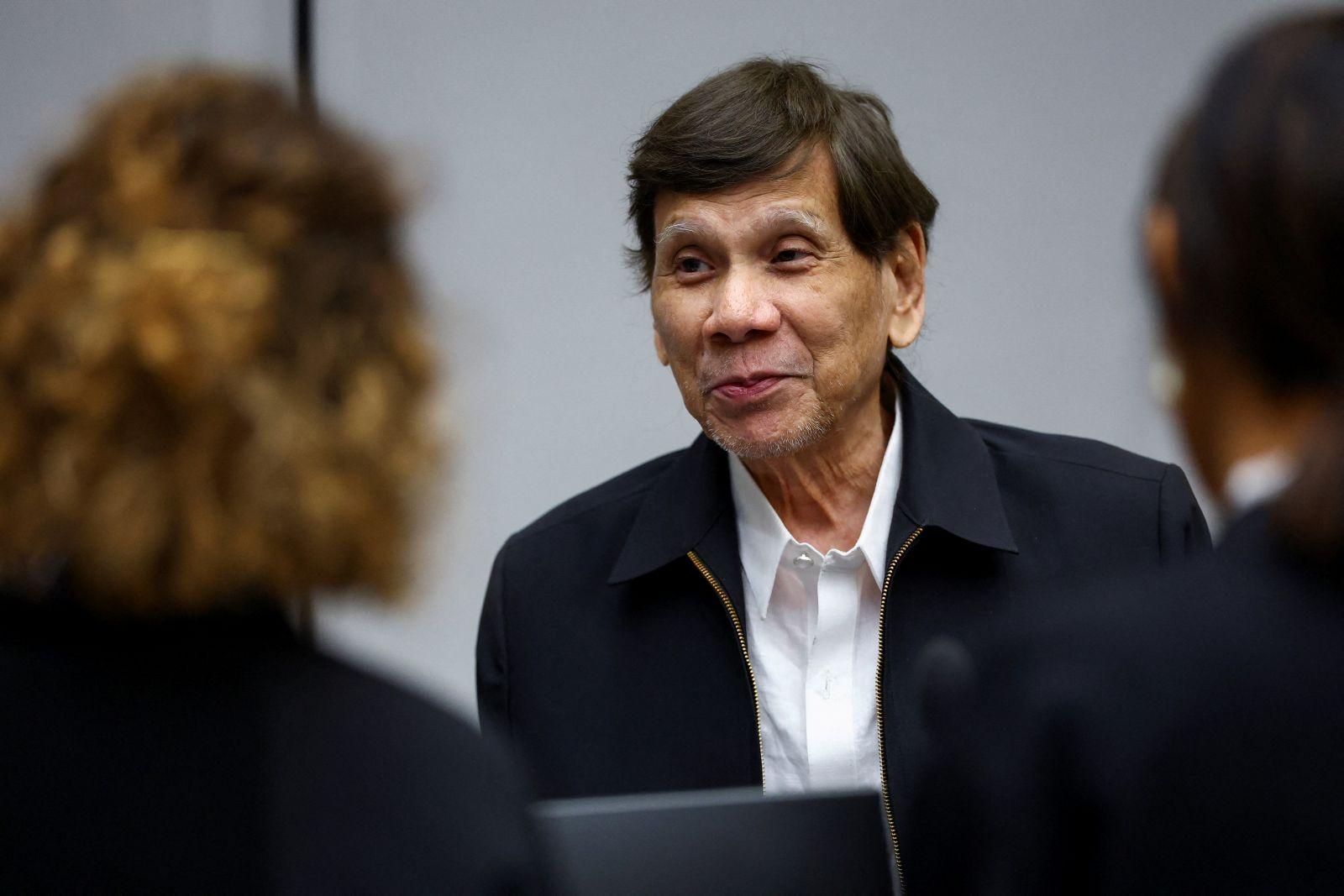
ICC Trial Chamber III will convene the fourth status conference for Duterte’s case tomorrow, October 13. The chamber expects Duterte to appear before the court.
The trial for the former president’s case of crimes against humanity is scheduled for November 30. — BAP, GMA News
KioskNews shows a cleaned-up reading view extracted from the publisher’s page — the original always lives on their site, not ours.