Ofgem energy price cap hike to hit four million households from Thursday
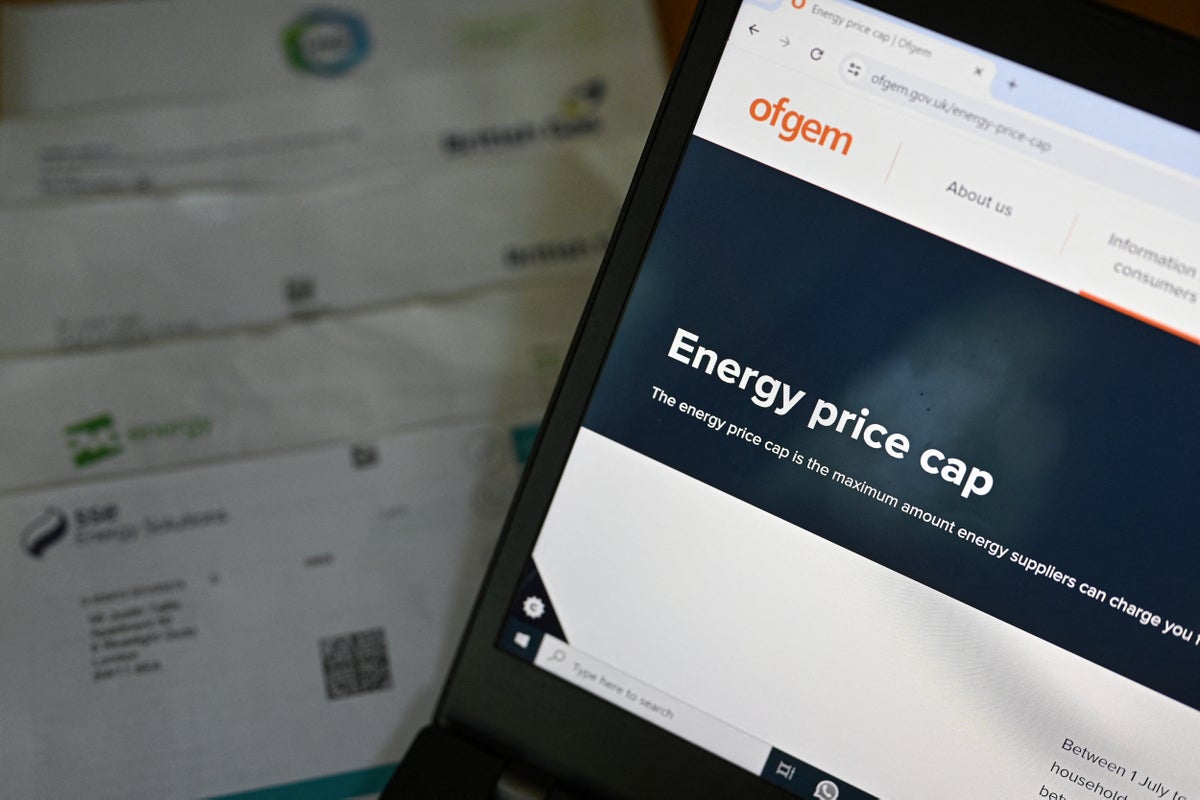
More than four million households that remain on a standard energy tariff will see their bills rise from Thursday as Ofgem’s price cap rises by 4 per cent.
The energy bill for the typical direct-debit household in England, Scotland and Wales will reach £1,723, up £5 a month or £60 a year, if this level is sustained over 12 months.
The price rise coincides with falling autumn temperatures, prompting many to switch on their central heating.
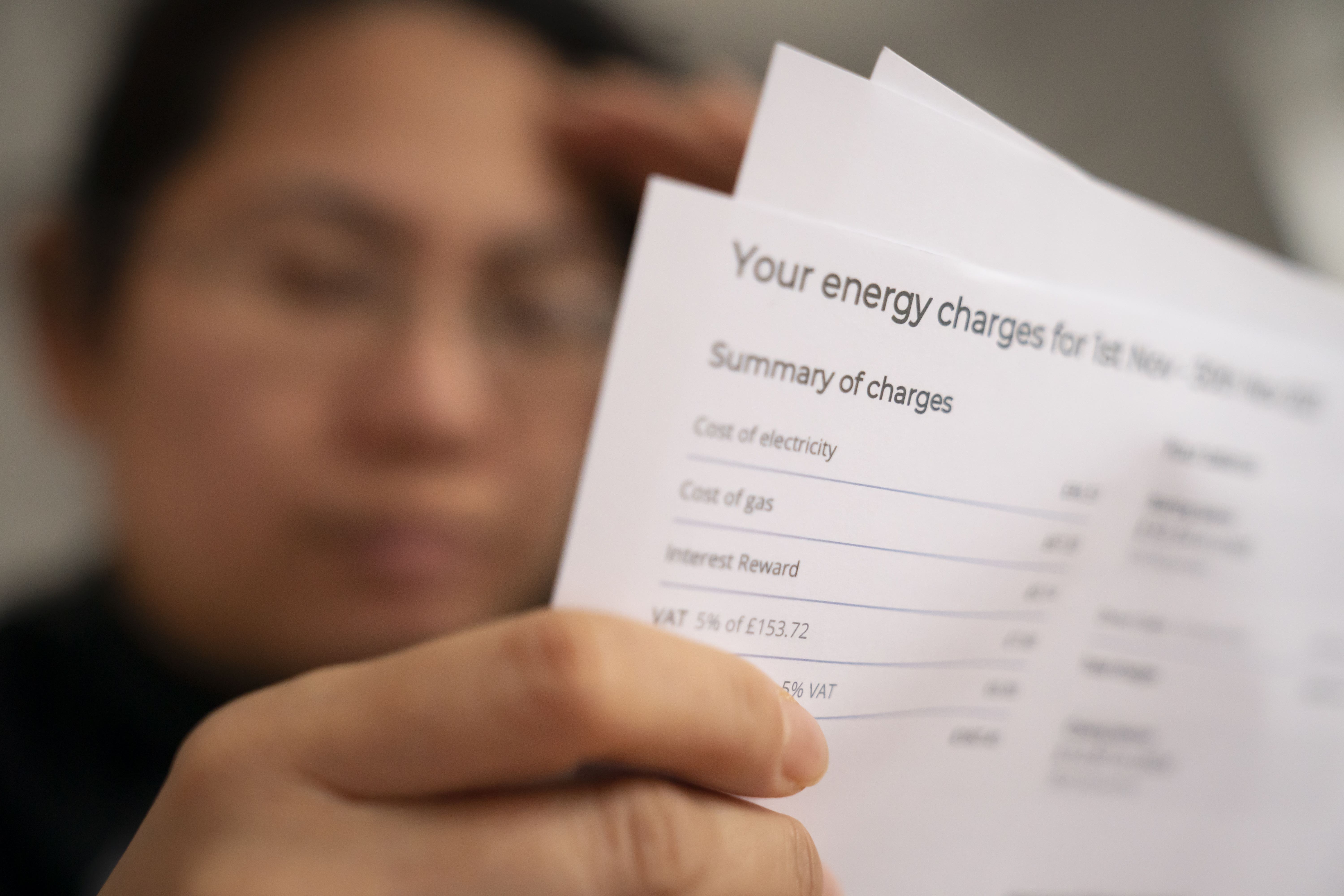
The October 1 hike includes the government’s decision to remove VAT from household electricity bills, which also takes effect from Thursday. Removing the 5 per cent levy until March 31 next year will save the average bill payer around £45 annually, according to official estimates.
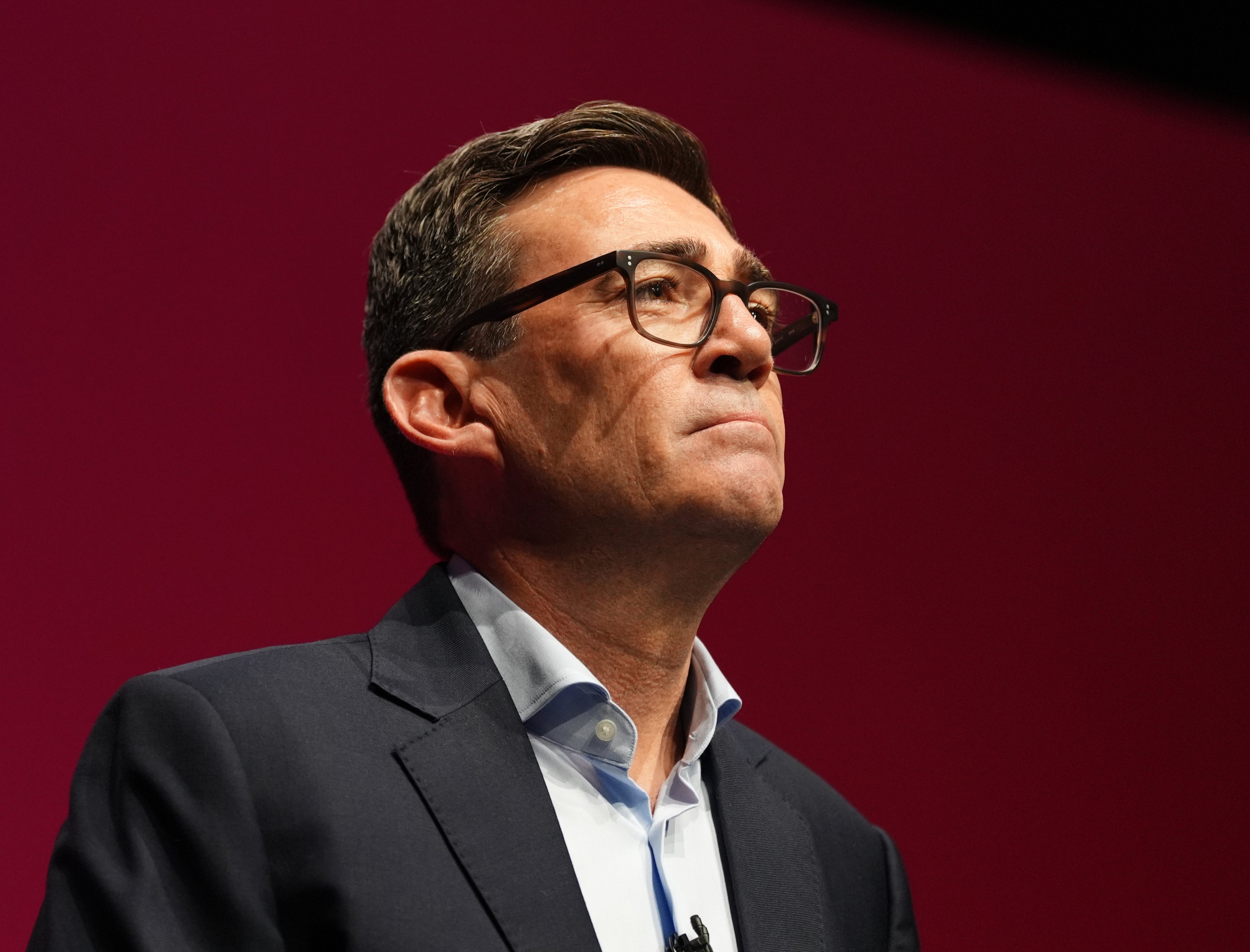
Announced in July, the policy was one of Andy Burnham’s first moves as prime minister to ease household bills.
Meanwhile, households will continue to be charged 5 per cent VAT on gas.
Ofgem said the increase to its price cap reflected higher wholesale gas prices as a result of the ongoing conflict in the Middle East, with volatile global markets remaining the dominant driver of price changes.
Comparison site Uswitch urged households without smart meters to send in readings to their supplier by the end of the month to avoid being charged higher rates for energy used before October 1.
Homes on a standard tariff with average usage are expected to spend £145 on energy in October, compared with £109 in September.
The increase of a third is down to a combination of increased usage due to cooler temperatures and higher unit rates under the latest price cap.
The energy regulator will announce its next price cap, covering January to March 2027, in November.
Experts have forecast a major rise, with major provider EDF now predicting a 30 per cent increase to £2,098 – up £375 on October’s rate.
The forecasts come amid the US-Iran conflict, which has driven up energy costs worldwide.
The blocking of the Strait of Hormuz – a major oil shipping lane – has seen the price of fuel and electricity spike at a rate last seen following Russia’s invasion of Ukraine.
National Energy Action chief executive Adam Scorer said: “This latest price cap rise, just before winter, means there is simply no light at the end of the tunnel for vulnerable and low-income households.
“In fact, if forecasts for the January 2027 price cap are correct, then it’s set to get a whole lot darker in the new year.
“The headline price cap figure is already bad, but it doesn’t reflect the even worse reality for millions of fuel-poor households. Our evidence shows vulnerable and low-income households already skipping food and heating even before this next price cap rise and temperatures start to drop.
“The Autumn Budget must deliver additional targeted support for households most at risk this winter, alongside action to tackle energy debt and improve the least energy efficient homes.”
Ofgem changes the price cap for households every three months, largely based on the cost of energy on wholesale markets.
The energy price cap was introduced by the government in January 2019 and sets a maximum price that energy suppliers can charge consumers in England, Scotland and Wales for each kilowatt hour (kWh) of energy they use.
It does not limit total bills because householders still pay for the amount of energy they consume.
KioskNews shows a cleaned-up reading view extracted from the publisher’s page — the original always lives on their site, not ours.