Gates Foundation Africa chief Dr. Basinga urges Africa to prioritise practical AI solutions
NAIROBI, Kenya, Nov 20 – Africa must prioritise investment in basic services and develop evidence-based artificial intelligence solutions that address local needs, rather than deploy technology for its own sake, Gates Foundation Africa Director Dr. Paulin Basinga has said.
Basinga cautioned against overreliance on artificial intelligence, saying technology should support people in addressing challenges rather than become an automatic response to every problem.
“It is not every time you need to deploy AI. Sometimes you can actually solve the problem yourself. AI is there to assist you,” he said.
He was speaking during discussions on the future of agentic artificial intelligence in Africa at a Nairobi meeting that brought together innovators, policymakers and other stakeholders to explore the continent’s role in shaping emerging AI technologies and standards.
Basinga said AI could help African countries improve efficiency across sectors, particularly healthcare, where it could support overstretched health workers, reduce medical errors and improve the distribution of medicines.
However, he warned that technology could not substitute investment in basic services, emphasising the need for countries to build the data, skills and evidence required to develop and deploy AI solutions effectively.
His remarks came as African innovators showcased applications of agentic AI capable of addressing challenges across sectors, including education.
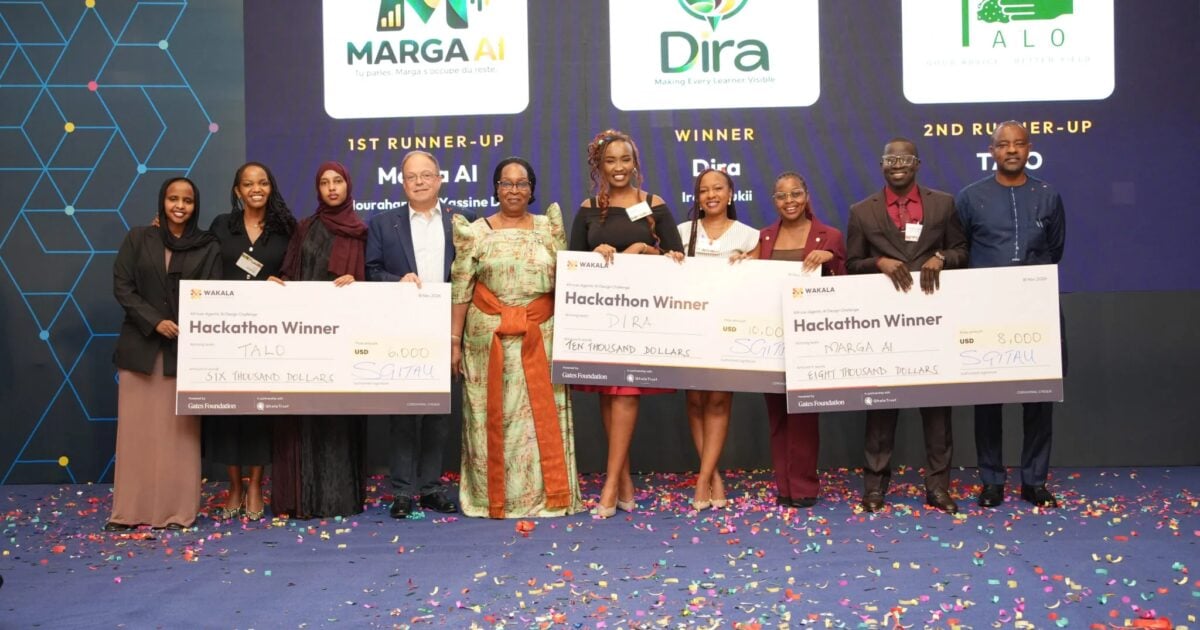
Kenyan education technology startup Dira won the Education track at the African Agentic AI Design Challenge, taking home US$10,000 for its AI-driven solution designed to help teachers identify learners who need additional attention and provide tailored support.
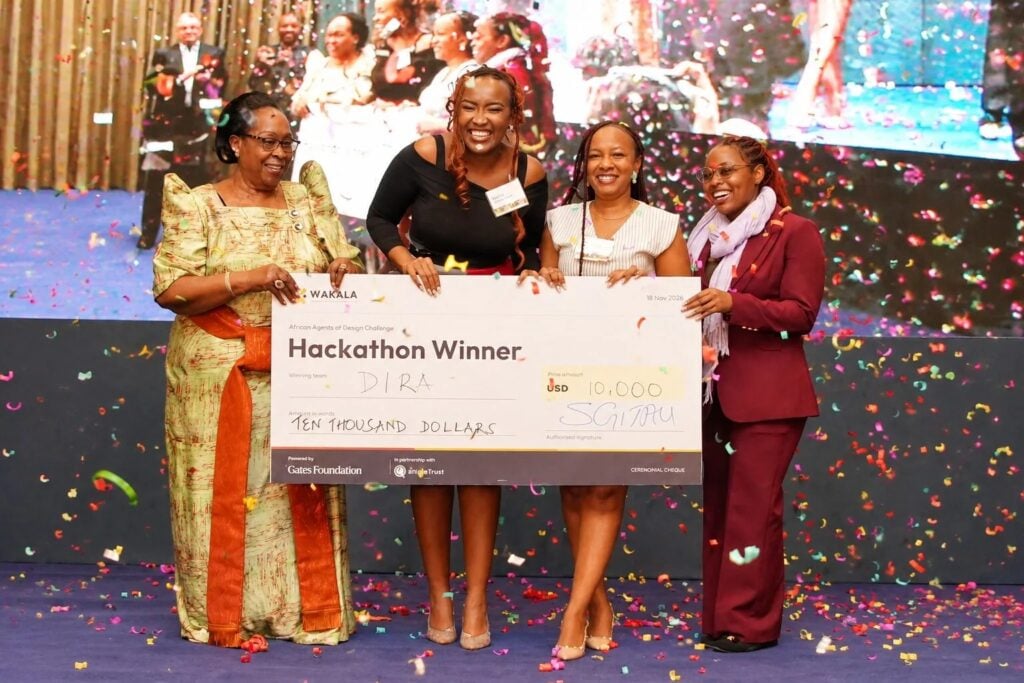
Founded by Irene Mukii, Jacinta Wanjiru and Michelle Gati, Dira was among the winners announced at the “Agentic AI for the Global South”, a closed-door side event held on the margins of the MCP Dev Summit in Nairobi.
The startup developed an AI assistant integrated into teachers’ daily workflows, helping them identify learners who may need support and convert quick spoken observations into structured “Evidence Cards”.
The system searches educational research to suggest interventions tailored to individual learners’ needs, learning styles or potential disabilities, while allowing teachers to retain control by approving or rejecting updates.
Marga AI emerged as the first runner-up, winning US$8,000, while TALO was the second runner-up, receiving US$6,000. All three teams also received computing credits.
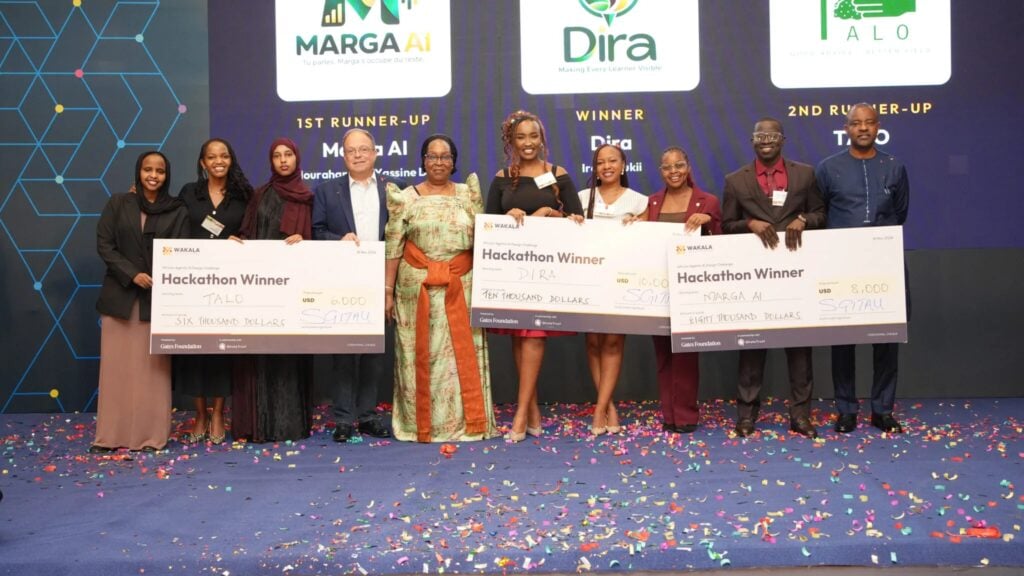
The challenge showcased more than 60 AI agents developed by innovators, highlighting the growing application of agentic AI to problems facing the continent.
The workshop, held on November 18 at the Hyatt Hotel in Nairobi, focused on how Africa can help shape the rules governing agentic AI instead of being left to adapt to standards developed elsewhere.
Participants argued that early engagement by policymakers could help prevent fragmented regulations across countries while strengthening collaboration between governments and innovators.
The discussions examined what it takes to develop, deploy and govern AI while ensuring solutions respond to local needs.
The Gates Foundation is placing greater emphasis on ensuring AI benefits communities historically underserved by technological advances.
The foundation has committed at least US$1 billion over the next two years to expand access to AI and AI-enabled solutions. Of the funding, 40 per cent is directed to healthcare, another 40 per cent to education, 10 per cent to agriculture and 10 per cent to digital foundations.
Basinga’s remarks underscored the need for African countries to balance technological ambition with investment in foundational services, while ensuring they have the skills, data and capacity to shape AI solutions for their own development priorities.
KioskNews shows a cleaned-up reading view extracted from the publisher’s page — the original always lives on their site, not ours.