Hong Kong begins shift towards fully digitalised share market in 5-year transition plan
Hong Kong began its shift to a paperless share market on Tuesday, with Beijing Sinotau International Pharmaceutical Technology set to become the first initial public offering (IPO) to not issue physical share certificates, while three listed companies – including the city’s bourse operator – will comprise the first batch of existing firms to transition to the new system.
Companies that went public on or after Tuesday and were constituted under the laws of mainland China, Hong Kong, Bermuda or the Cayman Islands would no longer issue physical share certificates, according to the Securities and Futures Commission (SFC).
The paperless regime was expected to provide better investor protection and greater trading convenience, the regulator said.
Sinotau launched its IPO on Monday and is scheduled to debut on November 24, making it Hong Kong’s first paperless new listing.
The company stated that it would not issue or mail any physical share certificates, adding that all warrants or rights issues associated with its shares would also be handled in paperless form, according to its prospectus.
Investors who wished to acquire IPO shares in their own names and had not yet opened an Uncertificated Securities Identifier (USI) account could still apply, said Richard Houng, CEO of Issuer Services Asia at Computershare.
However, if they were allotted shares, they would only be registered as “provisional system members”. While they could still receive dividends and attend shareholder meetings, they would need to complete the USI opening and identity verification process before they could transfer or sell their shares, Houng added.
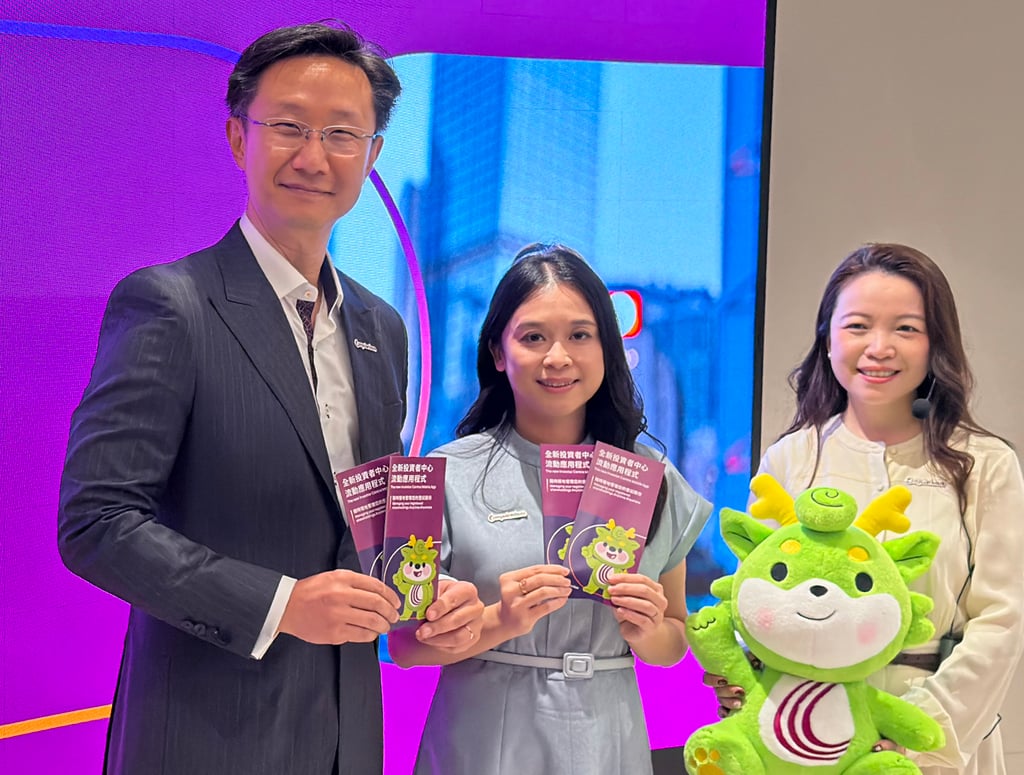
As of Monday, more than 2,200 people had registered for a USI, which allows retail investors to hold legal title to Hong Kong-listed shares electronically in their own names.
Computershare is one of six securities registrars approved by the SFC for the paperless framework, formally known as the Uncertificated Securities Market regime (USM).
“This is a significant achievement for the Hong Kong market and continues to cement our place at the forefront of global capital markets,” Houng said.
The city’s roughly 2,700 listed companies were expected to transition to the paperless system in batches over the next five years, the SFC said. Hong Kong Exchanges and Clearing (HKEX) would be among the first batch of existing issuers to join in early 2027.
Alongside HKEX, two listed companies using Computershare as their share registrar would go paperless by the end of March next year, according to Houng.
“Shareholders currently holding physical share certificates must keep them safe and wait until the respective listed companies join the USM, after which they can apply for digitisation,” he said.
Existing physical share certificates would remain valid, and the ownership and shareholder rights they represented would remain unchanged, the SFC said.
KioskNews shows a cleaned-up reading view extracted from the publisher’s page — the original always lives on their site, not ours.