How Historically Accurate Is The Last Kingdom's King Alfred Character
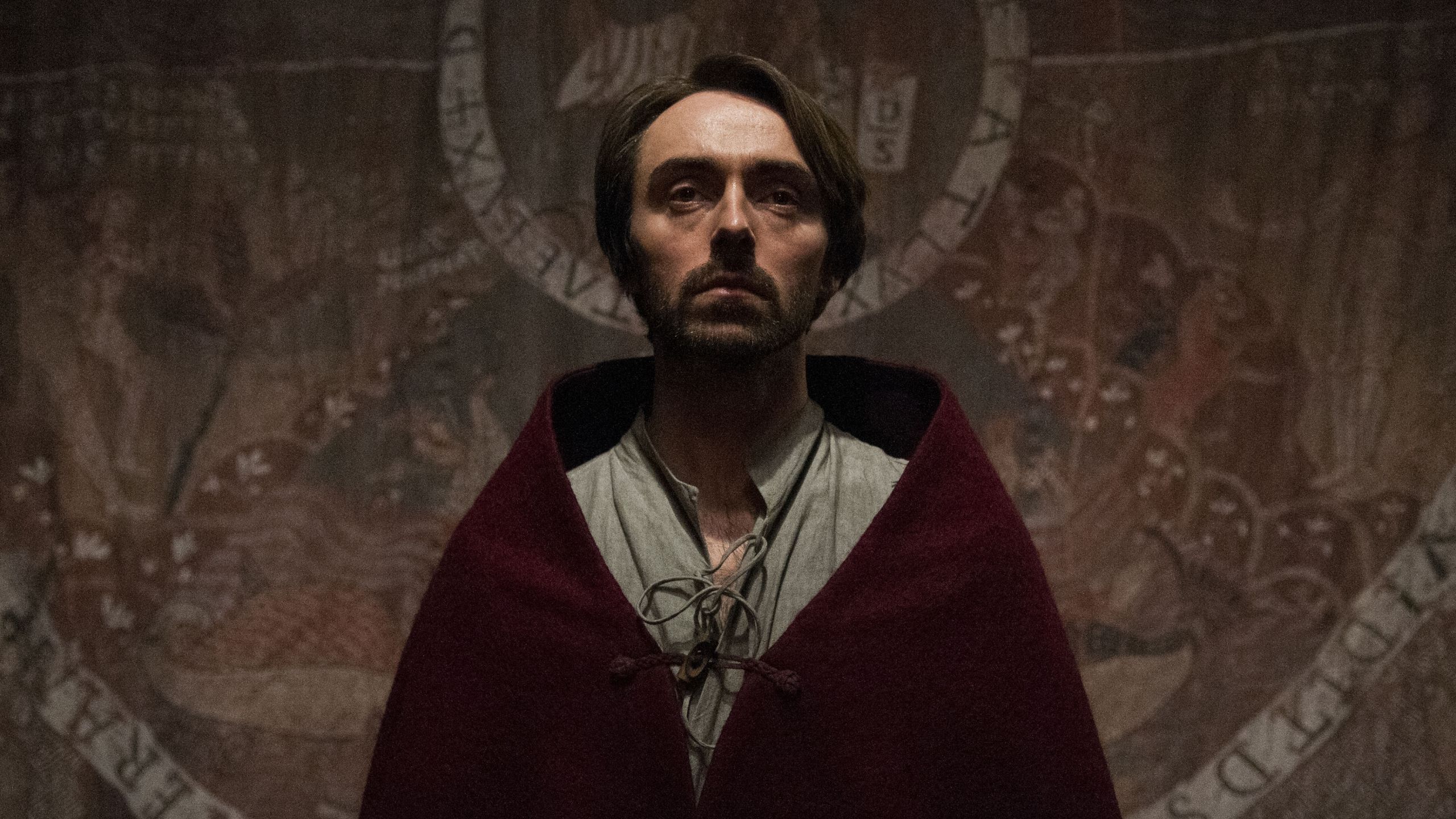
King Alfred, one of the main characters in The Last Kingdom, is based on the real English leader, with some of his characteristics pulled straight from history and others altered for television. The Last Kingdom, widely considered one of the best historical action shows, is a British series loosely adapted from The Saxon Stories, a series of novels by author Bernard Cornwell. The Last Kingdom follows Uhtred of Bebbanburg, a Saxon warrior raised by Danes who finds himself caught between his two worlds.
Despite being a fictional creation himself, Uhtred’s travels across East Anglia, Mercia, Northumbria, and Wessex put him in contact with many figures from English history. One of his great friends is King Alfred, known to history as King Alfred the Great, played by David Dawson in The Last Kingdom. King Alfred and Uhtred often work together to rid England of the Danes.
He only lasts to season 3, so he doesn't appear in half the show or the history-inspired movie Seven Kings Must Die. However, his impact is felt throughout, and he's even referenced in the movie. Because of his importance, the question naturally comes up of how true it stays to history. The Last Kingdom prioritizes historical accuracy more than most other historical TV shows, and King Alfred in the epic series has much in common with the real ruler.
King Alfred Really Did Suffer From Poor Health
The Real King Alfred May Have Had Crohn's Disease

When Alfred is first introduced in The Last Kingdom, it’s quickly revealed that the noble person has a "sickness of the flesh." He suffers from an unknown disease that weakens him, and he is forced to hide it once he becomes King of Wessex, lest his enemies and rivals view it as a sign that he’s unfit to rule. The historical King Alfred also suffered from a lifelong debilitating disease and, while it is never revealed in the show, historians believe the king had an abdominal condition, though the specifics are debatable.
A 1991 article published in the Journal of the Royal Society of Medicine suggested Crohn's Disease (via Sage Pub). Crohn’s disease is an inflammatory bowel disease that affects the gastrointestinal tract, and in a time with little medical understanding, someone carrying the disease would most likely not know what they had nor what was exacerbating it. A 2026 re-analysis in the same publication agrees that he suffered from perianal swelling and an abdominal condition, but suggests that a specific diagnosis is spurious (via ResearchGate). Ultimately, any diagnosis remains speculative, but complications arising from Crohn’s may have killed King Alfred in season 3 and in real life in 899.
King Alfred Was The Fifth Brother In Line For The Throne Of Wessex
The Real King Alfred Also Jumped The Queue To Ascend The Throne

In both the show and in real life, Alfred’s journey to the throne of Wessex was largely due to chance. Alfred’s older brother in The Last Kingdom, Æthelred, is the King of Wessex, but his early death in a battle against the Danes puts the crown on Alfred’s head. Just as it happened in real life, Æthelred’s sons were passed over for Alfred. However, the true story makes Alfred’s ascension even more unbelievable. In reality, Alfred was the fifth-born son of his father, King Aethelwulf (via Royal).
HIs brother Æthelstan died young, so he never took over the throne. His three older brothers, Æthelbald, Æthelberht, and Æthelred, were all the Anglo-Saxon Kings of Wessex before Alfred, and it wasn’t until they all passed away that he was crowned King Alfred. The Last Kingdom makes no mention of Æthelred and Alfred’s brothers, but seeing as Æthelred was the last king before Alfred, it’s still possible Æthelbald and Æthelberht existed within the timeline of the series.
Æthelred And King Alfred Had A Strong Alliance
The Real King Alfred Was On Much Better Terms With His Rival

Æthelred of Mercia (not to be confused with Alfred’s older brother) is one of the best villains in The Last Kingdom. The King of Mercia, Æthelred is a cunning, ambitious, and backstabbing ruler who puts himself before his subjects and those he would consider allies. Æthelred is a constant thorn in Alfred’s side, and even though the two ostensibly fight for the same goal, Æthelred does not embody any of the kind and just values that Alfred appreciates.
In the real history of England, Æthelred and Alfred were close allies (via Winter is Coming). The danger presented by the Danes to Wessex and Mercia was more than enough to ensure the two kings cooperated and maintained a solid alliance. As with every alliance, the strength varied over time.
King Alfred Burning Cakes Is Probably Apocryphal

In The Last Kingdom season 1, episode 7, King Alfred and the other survivors of the sacking of Winchester are camped out in a swamp, coming to terms with their new home. With the trappings of court life done away with, the nobles and common folk all have to pitch in as equals. King Alfred’s attempt at baking cakes ends in disaster when he leaves them for too long, and they burn, earning an exasperated, "Lord, you had one task," from Queen Iseult.
Surprisingly, this event is based on a real tale often told about King Alfred, though it is widely considered to be a legend. The story of King Alfred burning cakes is a commonly told folktale in English history, but there is little evidence that the event took place (via British Food History). The earliest known instances of the story come over 300 years after the cake burning is supposed to have taken place. Despite the story most likely being a myth, showing Alfred burning the cakes is a nice nod to English legend.
King Alfred Was A Highly Devout Christian
The English King Was Pious In Both Reality And The Show
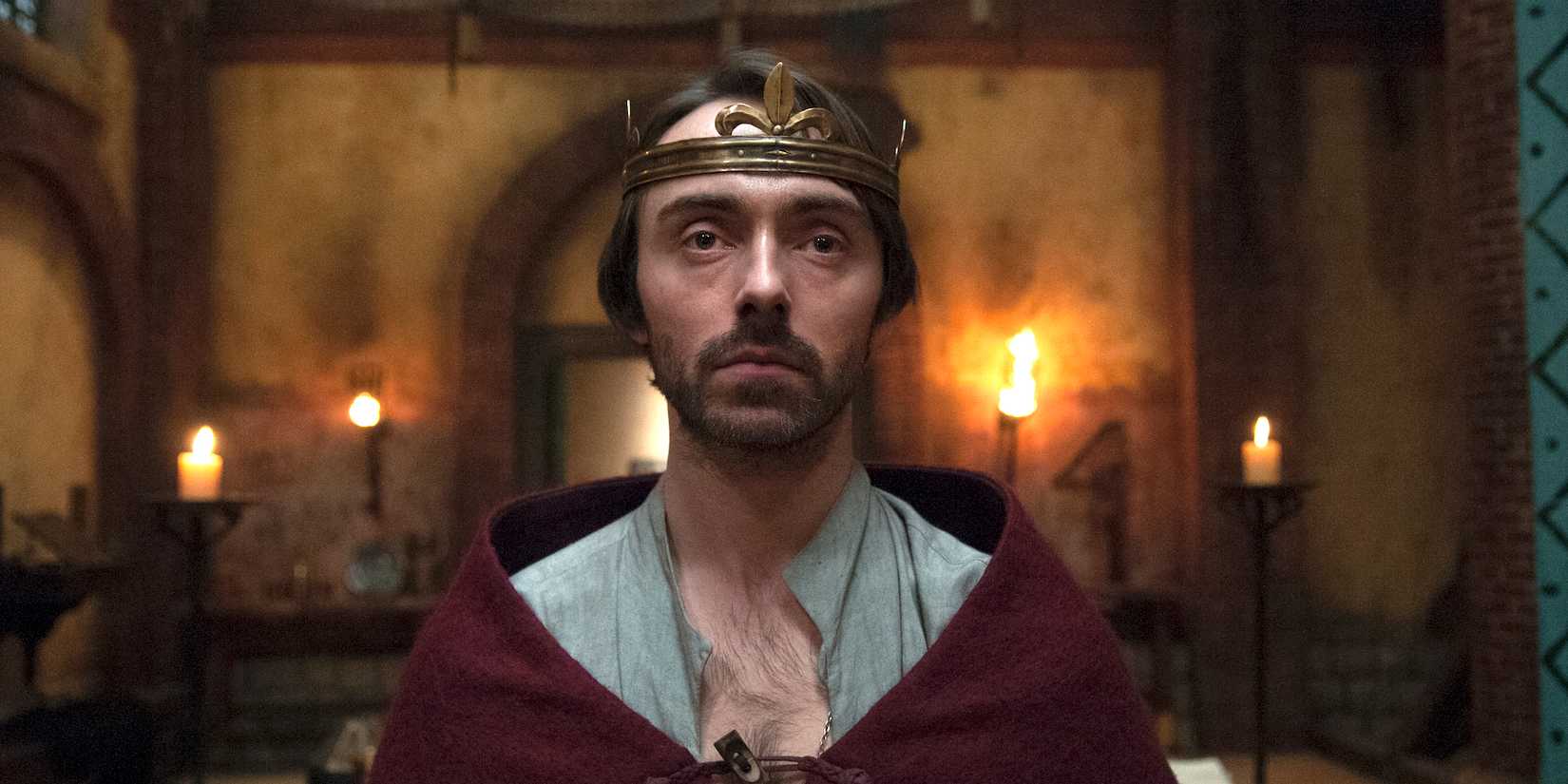
One of King Alfred’s most defining characteristics is his devotion to Christianity. Alfred’s Christianity drives him to fight the pagan Danes and unite England against them. A godly man from the first, his promiscuous nature is a source of guilt for him. Alfred and Uhtred’s biggest point of contention is the fact that Alfred wants to see his subjects convert to Christianity while Uhtred still believes in the pagan rituals of his Dane family.
The Last Kingdom's depiction of King Alfred and Christianity is very close to the real-life figure. Alfred was deeply devoted to Christianity and its principles and considered converting the people of England to the religion as important a goal as uniting the country and expelling the Danes (via History is Now Magazine). Alfred moved to institute many Christian reforms as the kingdoms were unified, and civil law was adapted from the Ten Commandments and other Christian documents.
The Real King Alfred Laid The Foundations For What Would Become The UK

King Alfred dreams of a united England in The Last Kingdom. His wish is to see all the warring factions put their animosity to rest and band together to create a greater union than they could ever have on their own. Alfred doesn’t believe in a United Kingdom just because he wants to rule over it. He wants to see his compatriots free of the Danes and free to live as Anglo-Saxons. This dream of unifying England was also a goal of the real-life King Alfred.
By stopping Viking advances and consolidating the territories he reconquered, Alfred set the stage for the unification of England. He helped lay the political and military foundation which other leaders over the generations built upon. As in The Last Kingdom, King Alfred lived long enough to see the non-Dane kingdoms of Anglo-Saxon England united under one rule, but the four kingdoms would not be completely united until many decades later. However, the fictional King Alfred and his historical counterpart did more than any leader before to create what would eventually become the United Kingdom.

- Release Date
- 2015 - 2022-00-00
- Network
- BBC
- Showrunner
- Stephen Butchard
-

Alexander Dreymon
-
Emily Cox
Based on the Saxon Stories novel series by Bernard Cornwell, The Last Kingdom tells the story of a man who seeks to reclaim his birthright. Set in 872, the kingdoms that makeup England have come under Dane rule, with Wessex the last one standing under King Alfred. The protagonist, Uhtred, is born of noble descent but is captured by the Danes and raised to be one. As he ages, he must choose between his ancestral home or the family that caught but raised him. Uhted will wrestle with his loyalties as he battles between his Saxon and Dane lineages.
KioskNews shows a cleaned-up reading view extracted from the publisher’s page — the original always lives on their site, not ours.