Victoria Beckham’s fashion and beauty business turns a profit after years of losses
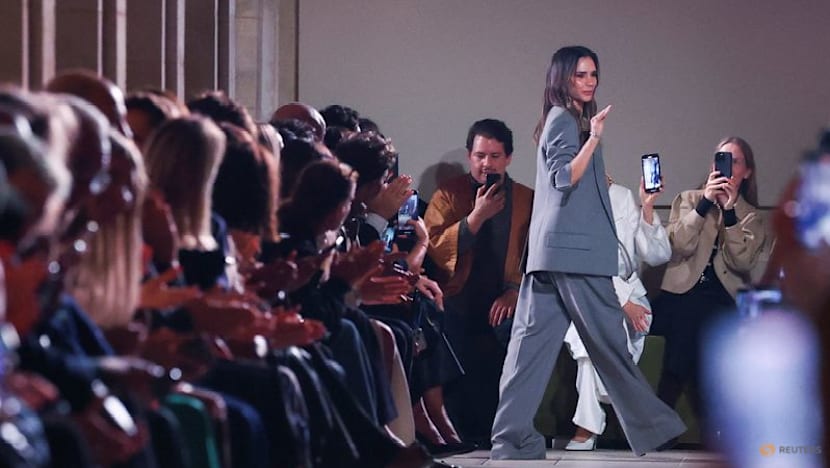
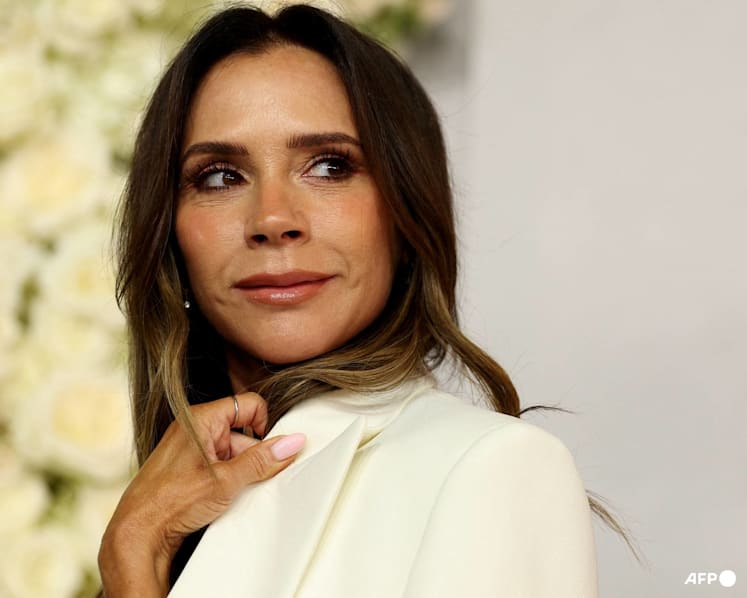
With new CEOs leading fashion and beauty, Victoria Beckham is setting her sights on the next phase of growth. She discusses what changed, where the opportunities lie and why she believes the brand has moved beyond its celebrity beginnings.
03 Sep 2026 06:29PM
It has been a big year for Victoria Beckham: both the woman but also her namesake fashion and beauty business.
In a full-year results statement to be published this week, Victoria Beckham Holdings will report an increase in total revenues of 15 per cent to £129.8 million (US$175.18 million; S$222.22 million) in 2025, up from £112.7 million in 2024. More significantly, however, 2025 is the first year the company has reported operating profitability following years of well-publicised losses.
Celebrity-led consumer brands are a dime a dozen these days; Beckham’s venture has faced particular scrutiny and is smaller than some starry rivals. But she maintains that she is proud of the turnaround and direction the company is taking in a challenged luxury market.
“We have all worked hard for a long time for this moment of profitability and growth,” says Beckham, 52, sitting in an immaculate living room at her Holland Park home. Operating profit in 2025 reached £7.3 million, compared with a £1.6 million loss in the previous year.
“We’ve been very transparent about the problems that we had in the business but have recovered and are now growing at a sensible pace. After 20 years, people don’t look at my brand as a celebrity brand any more.”
Beckham is flanked by her two chief executives, both of whom took on the roles in 2025: Sybille Darricarrere Lunel, who joined as CEO of the fashion business from Christian Dior Couture last July and is now based in London; and Lauren Edelman, who was promoted from global chief marketing officer to CEO of the beauty business last January and is based in New York.
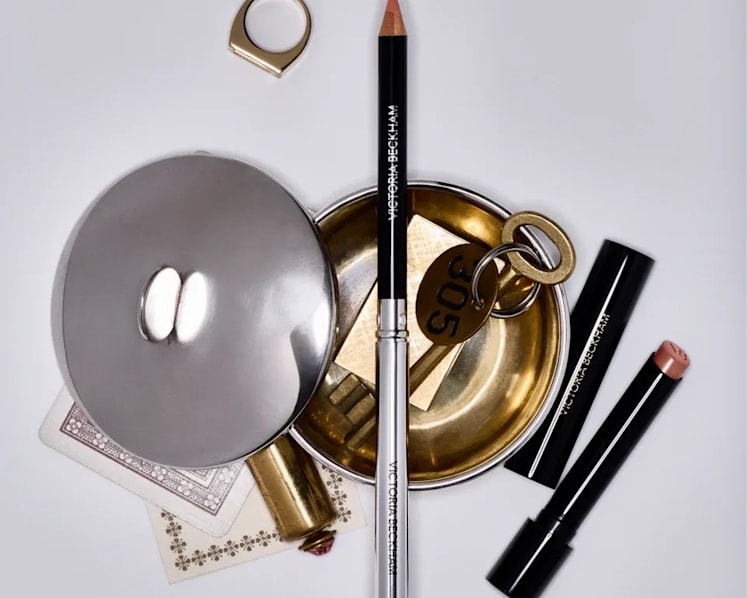
The company does not formally break down sales between the fashion brand, which was founded in 2008, and beauty, which was founded in 2019. Results from 2024, however, indicated that beauty generated roughly two-thirds of group revenue. According to Beckham, it sells one of its £32 Satin Kajal eyeliners every 30 seconds.
After a new Netflix documentary released last October exposed the brand to new audiences (and revealed some awkward financial oversights for a struggling company, such as previously spending roughly £70,000 a year on office plants), Beckham notes that a double-digit increase in sales has now continued into the first half of 2026.
While still largely independent (a 30 per cent stake was sold to NEO Investment Partners in 2017), Beckham is asked constantly about whether she would ever sell another stake in her business. “Never say never,” was her response to the FT when asked earlier this year. But for now, at least, the focus of her — and her new top executives, whom she calls “the girls” — is on staying the course. This interview has been edited and condensed.
Elizabeth Paton: Victoria, why did you promote Lauren and hire Sybille?
Victoria Beckham: Lauren had never been a CEO before but has an incredible background in beauty, understands the sector and cares about the product. Sybille has deep industry knowledge, especially in France and with leather goods, which is a category that is so important to us. We are all totally obsessive about product.
EP: Lauren, did you feel ready to be a CEO?
Lauren Edelman: When Victoria originally called me about my previous position as CMO [chief marketing officer], I went straight to Bergdorf Goodman and tried everything on. The products blew me away. Later, I remember David Belhassen [of NEO Investment Partners and the Victoria Beckham group chair] coming into the office at some point and asking: what do you want to do next? I’m typically pretty shy but it flew out of my mouth — I want to be CEO. So yes, I felt ready.
EP: Why did you want to join, Sybille?
Sybille Darricarrere Lunel: I knew what I could bring in to help expand the fashion business in terms of wholesale, retail and brand image. This brand has so much growth potential. A lot of the fashion industry is in Paris, where I was previously based, but Eurostar makes a good third office.
VB: Except that the WiFi is terrible.
EP: How do you all communicate?
VB: Most afternoons we’re on Zoom calls. We all travel a lot. The beauty team is based in New York but travels to London regularly.
LE: We all like a voice note. I was so happy when Victoria sent me one for the first time and it was established as a valid mode of communication.
VB: I send them all the time because it’s very convenient and you feel that you can speak any time, including with time differences.
EP: Are there any strengths of being an all-female team?
SDL: We all regularly wear and try out what we are creating. We know a sizeable proportion of our customers are working women. I think they appreciate how proudly feminine this brand is.
VB: To be clear, prior to these appointments I met with male candidates too; it’s not as if I went into the searches thinking the CEOs had to be women. I just wanted the best candidates for this moment. I’m very aware of what I know and what my strengths are. I also know what I don’t know and where I need to bring people in.
EP: How much do you all think about consistency of brand across the whole business?
LE: We are two separate organisations but with a shared creative director. I also think there is real aspiration from some consumers buying our beauty that eventually want to experience the fashion brand too but can’t yet. With everything we do on beauty, we try to draw connections with fashion and make that connection clear for consumers.
EP: In what way?
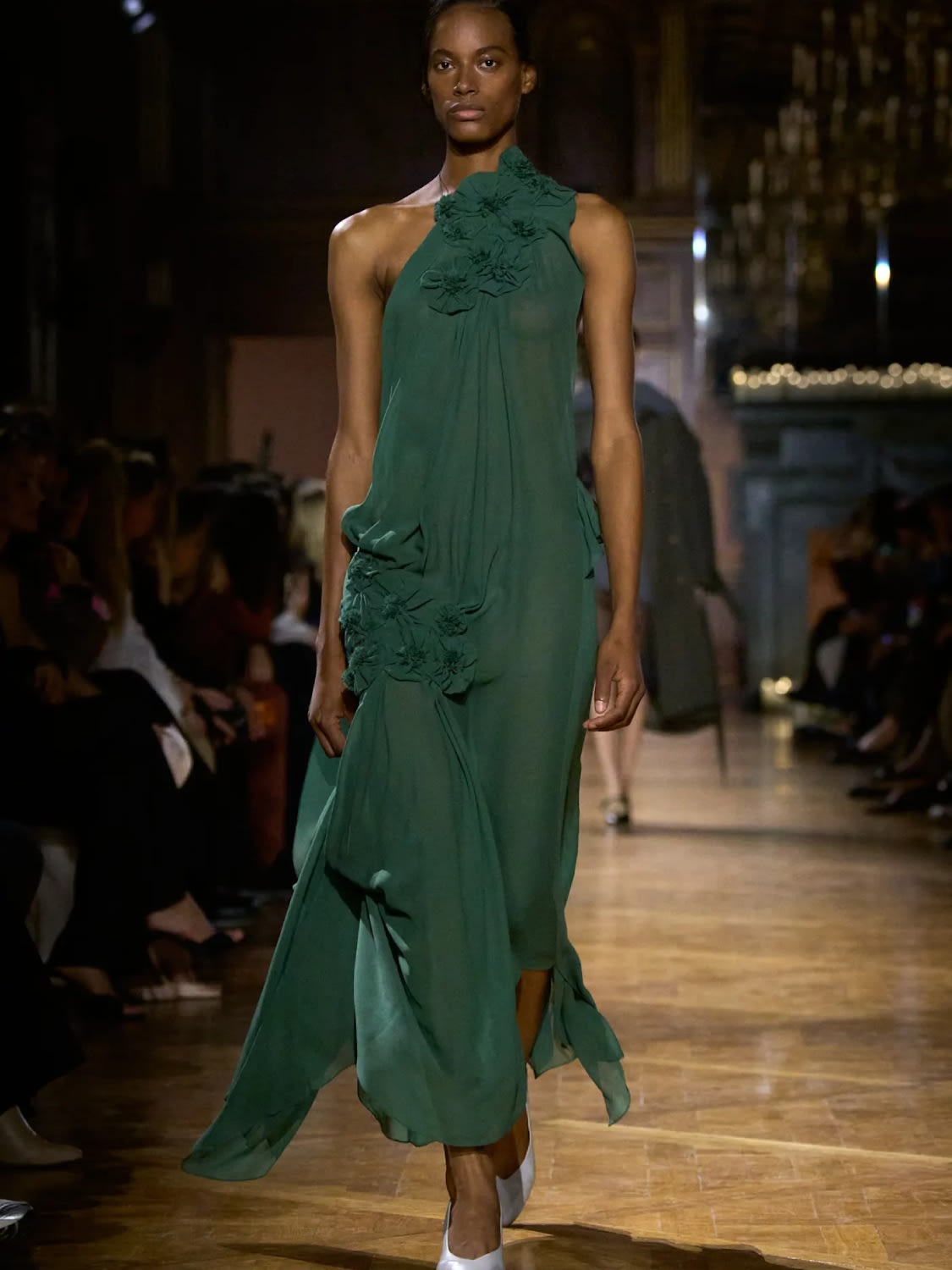
VB: Colour is a good example. When you look at our fashion offering, we are known for pairing unexpected colours together, so that has become part of our beauty DNA too. To be flattering and commercial but have fun with colour as well.
SDL: In stores we have no problem putting beauty and fashion together on one floor. Coming from other companies I can assure you it is often hard to get things to complement one another.
EP: There is this constant tension, be it in beauty or fashion, between familiarity and doing something new and different. How do you navigate that?
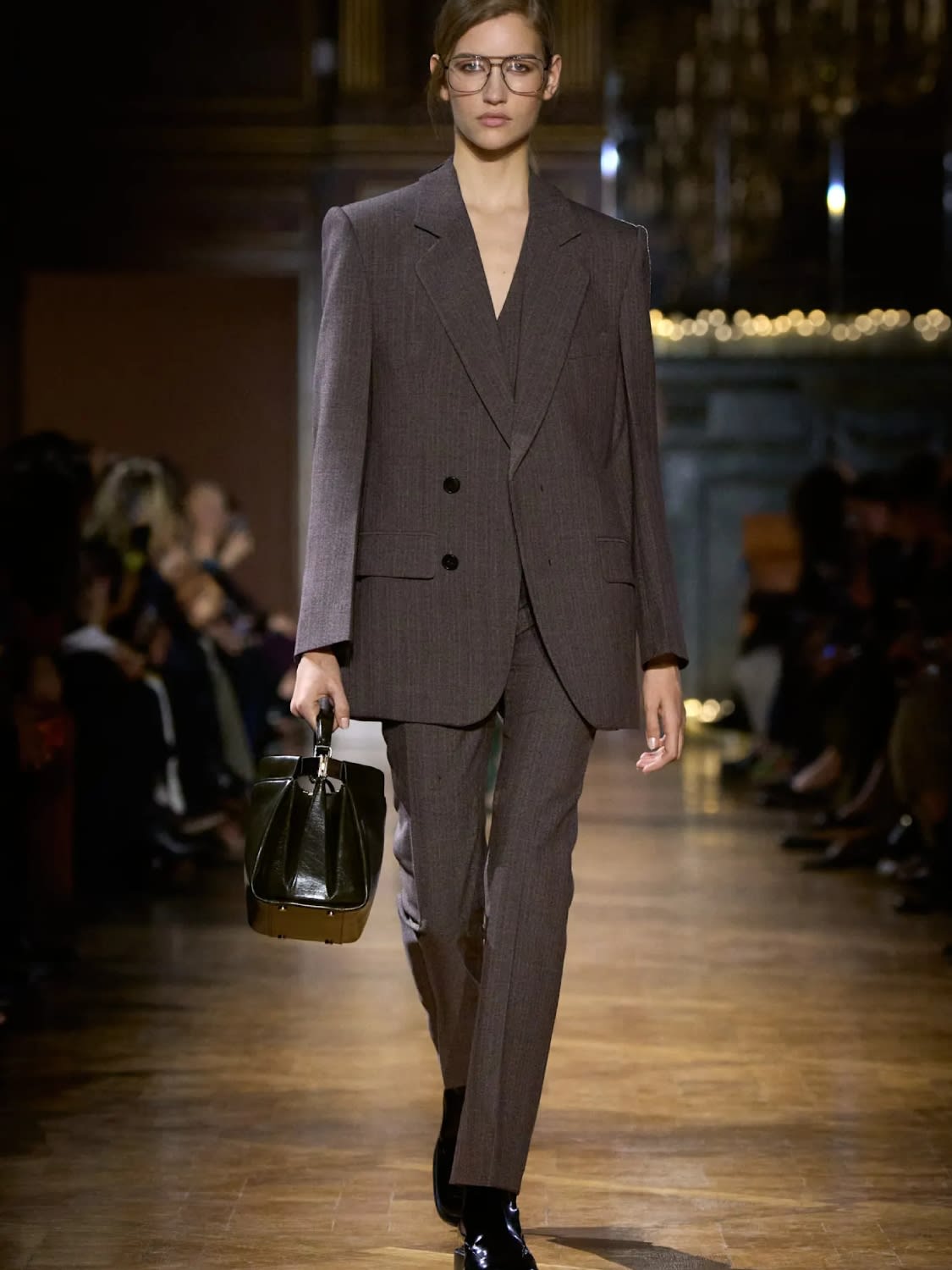
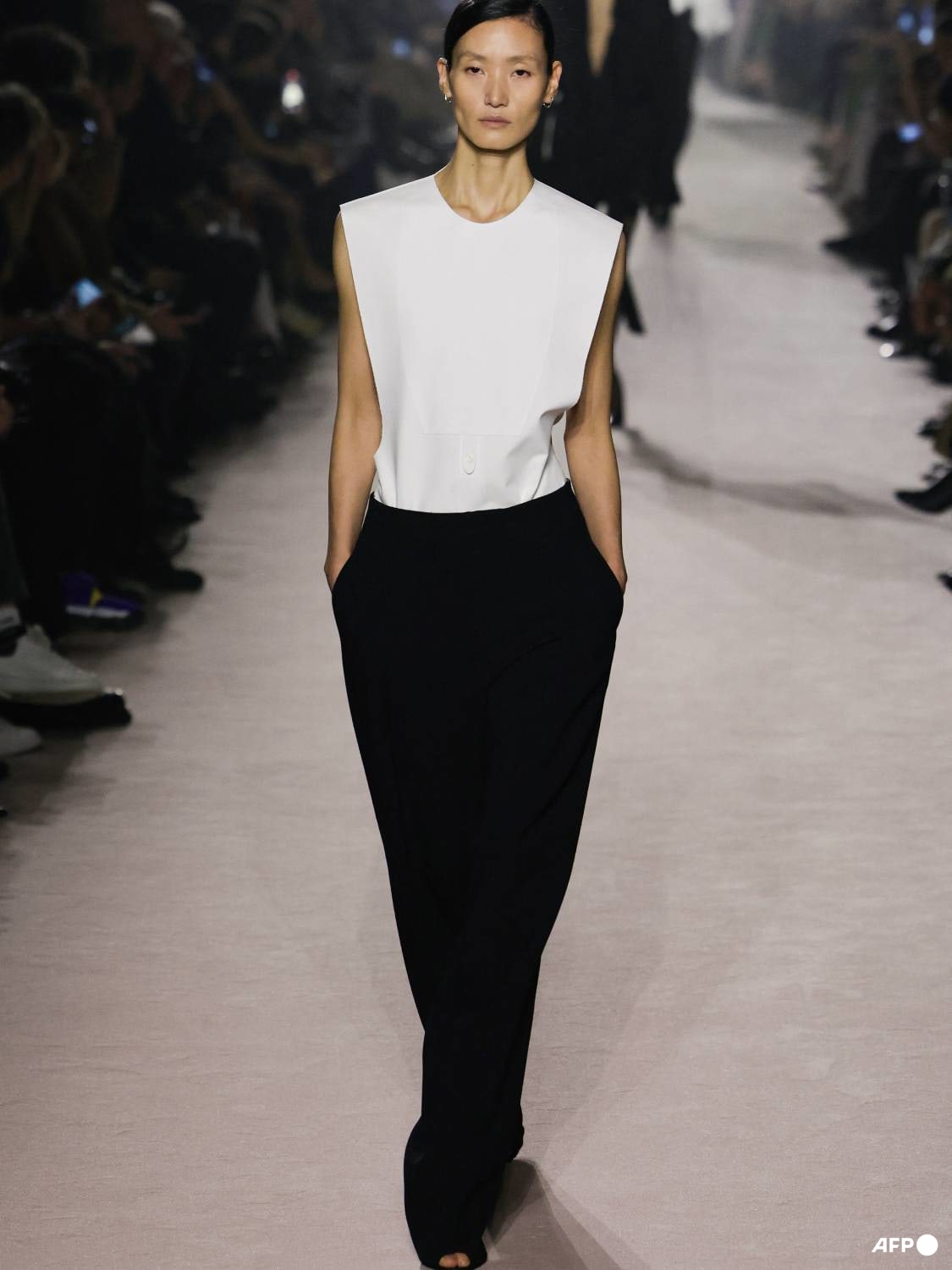
VB: With fashion and runway shows, I want to be part of a wider conversation. I never want to be that brand where you know what you’re going to see every season. I want an element of surprise. Sometimes things might be polarising and that’s fine with me. I try to encourage people to experiment with new things.
LE: The pace of innovation in beauty is extremely intense. But we actually do not chase the market. It’s really Victoria and our team just saying, “What do we want that does not exist yet?” Our Contour Stylist product is a good example. Contour was a huge category, but the whole market was a chubby stick market. Victoria wanted to create shape and shadow in a way that was more precise, then used her platform and beauty tutorials to show the market how to use it. It felt different and fresh, instead of something that was already out there.
EP: Was there anything that you felt you needed to do differently as CEOs here?
SDL: When I arrived, it was clear that I was joining for a new chapter of development for the fashion business. To do that, a certain type of organisation needed to be in place. So there have been a lot of changes in people, priorities and wider ways of working in order to focus on more disciplined cost control and stronger retail operations. I have my own way of doing things that naturally is different from my predecessor.
EP: Where will growth come from next?
LE: Obviously we don’t have as many doors as fashion; VB Beauty is seven years old this year. But we have expanded quickly to about 300 retail doors in 15 markets; by contrast we were just three doors when I started in 2023. The reality is with a living founder who is culturally relevant, we can just look via Google search for where to focus next.
SDL: Fashion has big potential. Dresses and gowns accounted for a third of sales last year, but we are implementing more knitwear and outerwear. Shoes are a huge growth opportunity and are doing extremely well and we want to focus on leather goods. We have a big bag, the Sloane, that we love, launching in September. Geographically the US is obviously a big market; we have opened in Miami and we’re opening a New York store on Mercer Street in September. The Middle East is our second priority after the US.
EP: Are you worried about continuing to grow in the current climate?
SDL: A key problem today in luxury is that customers don’t feel authenticity, which is our key asset. We have never tried to press reset on our look or designer. Our founder is still in place and driving the brand.
VB: At the right price point as well. There was a sweet spot there when we restructured the fashion business where we saw potential. Being really in tune with what people want to spend was a turning point for us.
LE: In beauty, many brands end up with vast ranges of products and try to be everything to all people. There’s always a nod towards inclusion as it relates to skin tone and so on, but we don’t ever launch 30 shades of lipstick at once. We have a point of view on colour. It’s not every colour. It’s a distinctive point of view.
KioskNews shows a cleaned-up reading view extracted from the publisher’s page — the original always lives on their site, not ours.