Why US sanctions threats against China aren’t credible
Dr Andy Xie is a Shanghai-based independent economist specialising in China and Asia, and writes, speaks and consults on global economics and financial markets.
The US threat of sanctions on China because of Beijing’s relationship with Iran isn’t credible. The artificial intelligence bubble and its own precarious bond market make the US more vulnerable to a shock than China. Even if the US risks massive self-harm and kicks major Chinese institutions off SWIFT, the global messaging system enabling dollar-based cross-border payments, it will merely accelerate the yuan’s rise. China’s trading partners can easily switch to the perfectly functional yuan payment system, the Cross-border Interbank Payment System (CIPS).
The US talking up economic war on Iran reflects the reality that it is running out of ammunition for a hot war. The US has imposed economic and financial sanctions on Iran for decades. Now it aims to impose secondary sanctions on Iran’s trading partners. As China is Iran’s main trading partner, the US is essentially targeting China.
China and the US have traded places since US President Donald Trump initiated the trade and tech war during his first term. At the time, China was grappling with a massive property bubble and a bloated shadow banking system. The government managed to deflate both without triggering a major economic downturn. Today, while China’s growth rate is muted, the economy is resilient and can withstand shocks.
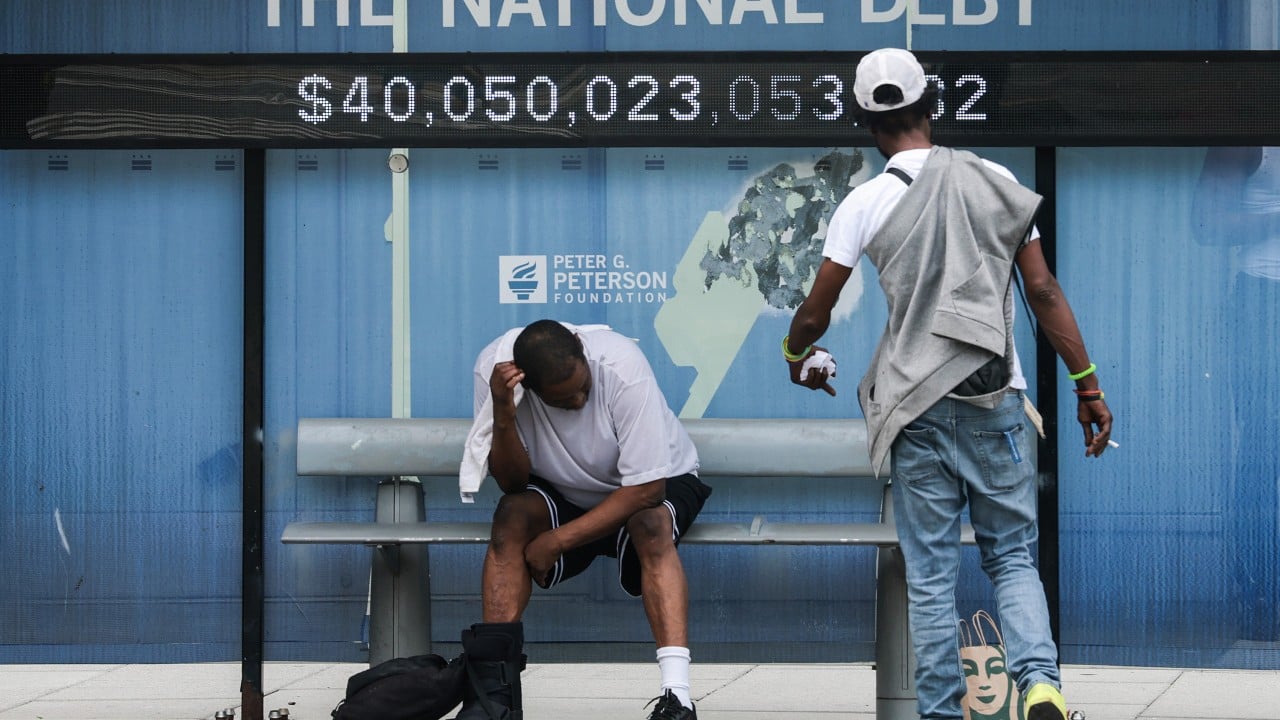
By contrast, the US economy has grown a massive artificial intelligence (AI) and stock market bubble. Stock market capitalisation has reached 240 per cent of gross domestic product, higher than in 1987, 2000 and 2007. The fiscal deficit has continued to balloon. As total US public debt tops US$40 trillion, up from US$9 trillion in 2007, bond yields are surging to 2007 levels. The US needs to refinance bonds worth US$9 trillion and issue US$2.1 trillion to cover the deficit. A major shock will trigger a financial collapse, and a financial war with China will bring such a shock.
The US’ financial fragility and China’s resilience make it unlikely that the former will initiate an action that can shock its financial system. In a game of chicken, the US will blink first.
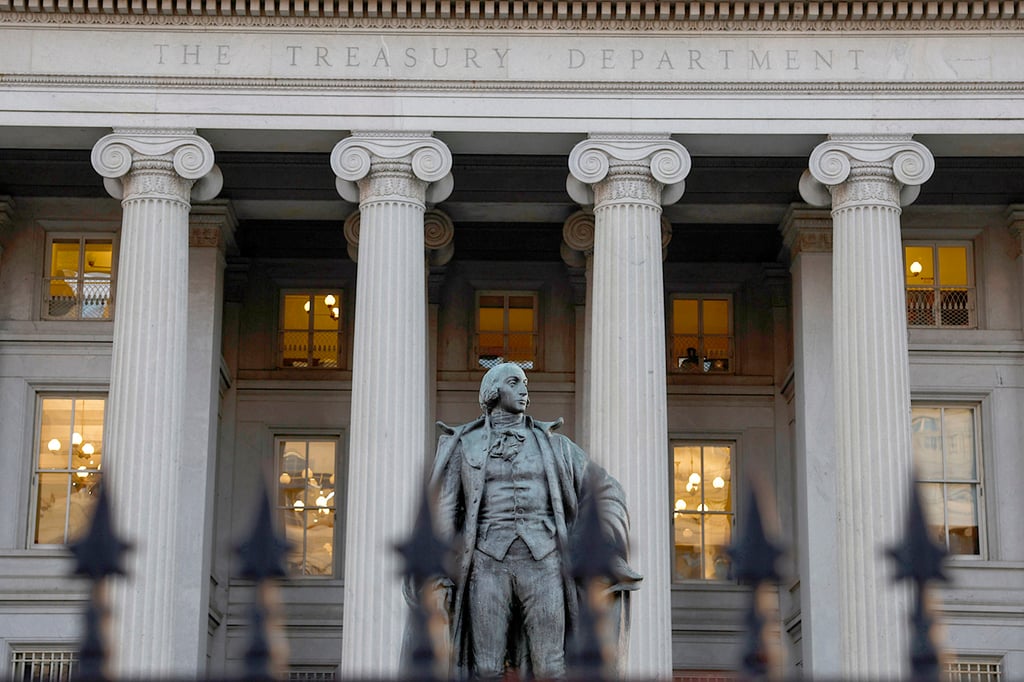
The US has been sanctioning China in trade and technology through any means it can find. So far, China has been able to absorb the blows without suffering a recession. China is in the crosshairs of US politicians, with or without Iran. Hence, China has no incentive to respond to US pressure on additional sanctions.
KioskNews shows a cleaned-up reading view extracted from the publisher’s page — the original always lives on their site, not ours.