Keep your windows open or risk lung cancer – GAEC warns over deadly radon gas

The Ghana Atomic Energy Commission (GAEC) has warned Ghanaians about the risk of lung cancer from exposure to radon gas, urging households to improve ventilation by keeping windows open to prevent the radioactive gas from accumulating indoors.
Radon is a naturally occurring radioactive gas produced by the decay of uranium in soil and rocks. It can seep into buildings from the ground and accumulate in poorly ventilated spaces, exposing occupants to potentially harmful levels of radiation.
The Director of Radiation Protection at GAEC, Dr Eric Tetteh Glover, says radon is the second leading cause of lung cancer after smoking, particularly among non-smokers.
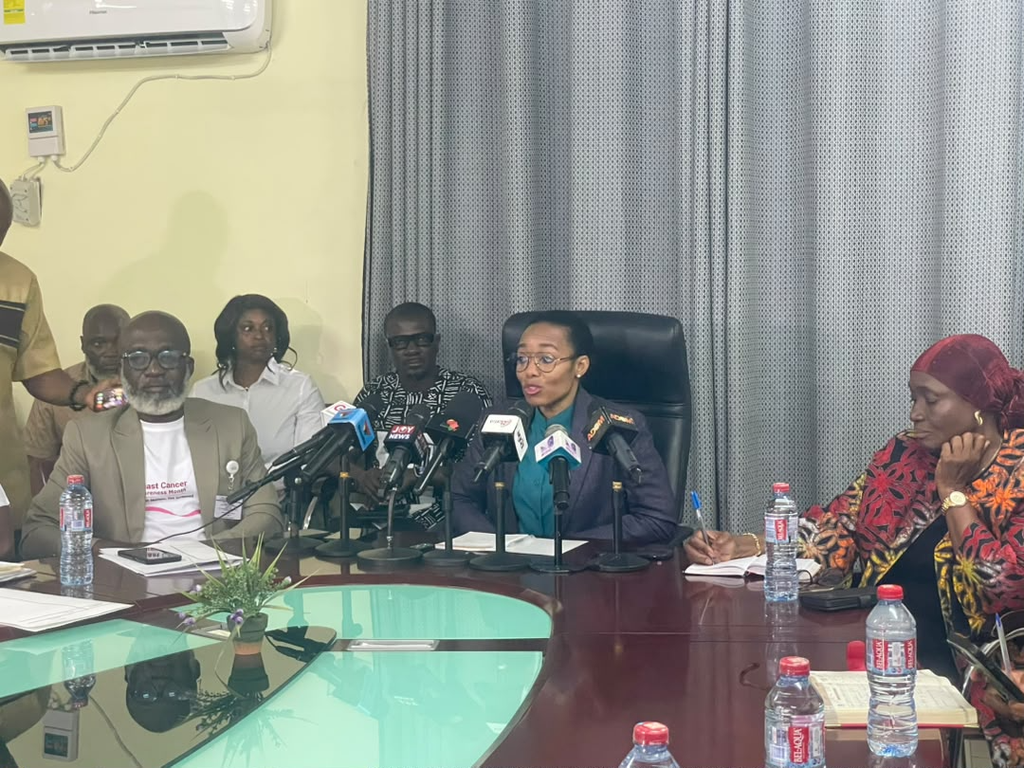
Speaking during a visit by Environment Minister Dr Zanetor Agyeman-Rawlings to the Commission at Atomic in Accra, Dr Glover said GAEC is working with the Environmental Protection Agency (EPA) and the Ghana Standards Authority to introduce measures that will require radon assessments before buildings are constructed.
He explained that the proposed measures would help identify areas with high radon concentrations and ensure buildings are designed to reduce exposure to the gas.
Dr Glover said the Commission also intends to establish guidelines for construction in areas where radon levels are high, including requirements for adequate ventilation.
Explaining the health risks, Dr Glover said radon becomes dangerous when inhaled, as its radioactive properties can damage lung tissue and increase the risk of cancer.
“The effect of radon is lung cancer. The WHO says it is the second leading cause of lung cancer, especially in non-smoking people,” he said.
He explained that once inhaled, radon and its radioactive decay products can expose the lungs to radiation, potentially contributing to the development of cancer.
Dr Glover noted that radon testing is already part of building safety practices in some developed countries, where assessments are conducted before construction begins.
“Radon testing should be conducted before construction begins. Unfortunately, Ghana does not yet have the necessary facilities for such testing,” he said.
He said GAEC is working to establish the necessary capacity to support radon testing in Ghana and strengthen preventive measures against exposure.
Dr Glover also raised concerns about miners who work underground for extended periods, saying the Commission is collaborating with the Minerals Commission and the Chamber of Mines to improve ventilation in mining environments.
He explained that miners may spend about eight hours underground, making adequate ventilation important in reducing their radon exposure.
The Commission’s warning highlights the need for greater public awareness of radon exposure and for building standards that help protect people in homes, workplaces and other enclosed spaces.
DISCLAIMER: The Views, Comments, Opinions, Contributions and Statements made by Readers and Contributors on this platform do not necessarily represent the views or policy of Multimedia Group Limited.
Tags:
DISCLAIMER: The Views, Comments, Opinions, Contributions and Statements made by Readers and Contributors on this platform do not necessarily represent the views or policy of Multimedia Group Limited.
KioskNews shows a cleaned-up reading view extracted from the publisher’s page — the original always lives on their site, not ours.