Asian-Americans’ trust in Trump fading as economic woes increase, survey finds
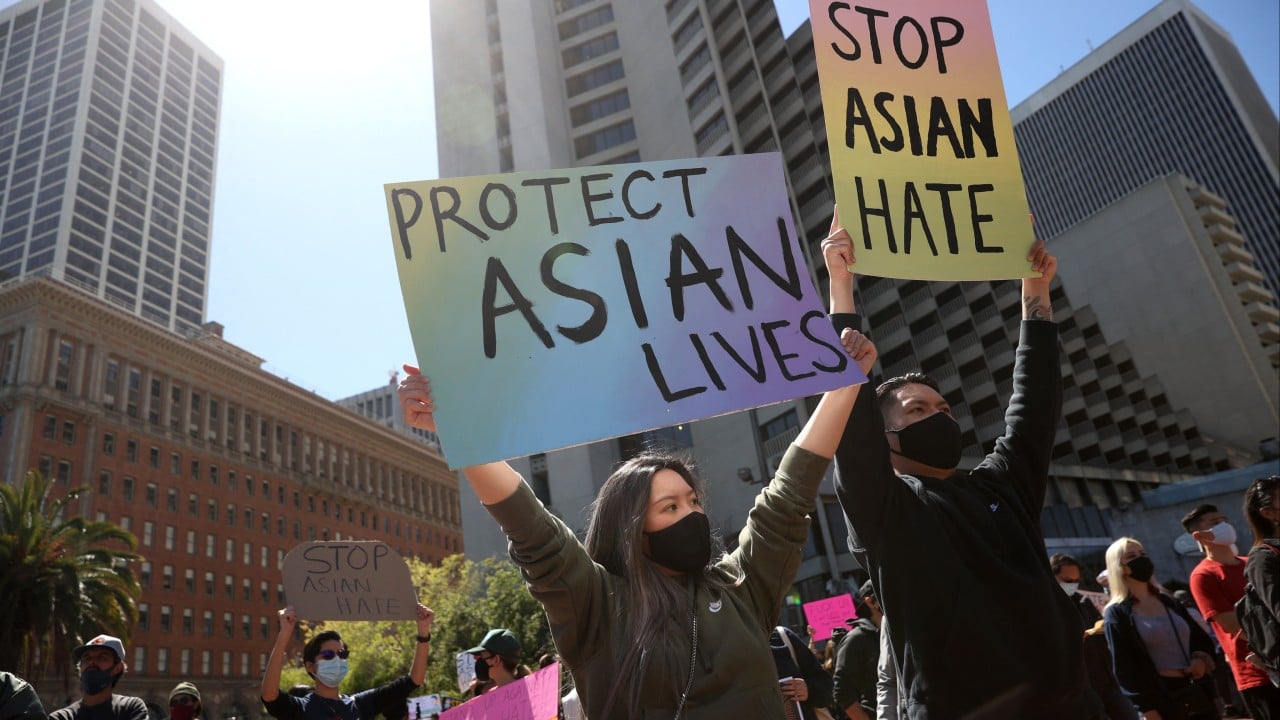
Asian-Americans are laser-focused on the economy and healthcare costs and increasingly disenchanted with US President Donald Trump and his Republican Party leading into the highly consequential November 3 midterm elections, according to a survey released on Monday.
While the general trend among Asian-American and Pacific Islanders (AAPI) mirrors the broader US electorate, the minority community’s views are frequently more pronounced, seen in part because they have been the object of more raids, detention, visa denial and deportations under the Trump administration.
“The ranking of issues is similar. But the level is certainly elevated among Asian-Americans,” said Karthick Ramakrishnan, founder of AAPIVote, which conducted the data poll with AP-NORC. “Even if people think ‘oh Asians generally are better off economically than the US average,’ this is where even immigration leads to economic insecurity.”
Many Asian families also have strong trans-Pacific family ties that have been undercut by Trump’s immigration policies.
08:08
Widespread anti-immigrant operations spark fear in Asian communities across the US
According to US Immigration and Customs Enforcement (ICE) data analysed by the Deportation Data Project and Stop AAPI Hate, ICE arrested 21,078 Asian individuals between January 2025 and August 2026, a 436 per cent increase over a similar earlier period, while detentions rose 512 and deportations rose 1,103 per cent.
Indians accounted for 29 per cent and Chinese 26 per cent of these arrests.
Monday’s survey, conducted from September 8-15, found that nine in 10 AAPI considered the economy central to their midterm voting choice, compared with 73 per cent for healthcare.
This comes as consumer confidence declines sharply, inflation accelerates and gas prices rise even as the Iran war that the US president started with Israeli Prime Minister Benjamin Netanyahu drags on.
Asked how they felt in general about the upcoming election, 18 per cent of respondents said they were “excited”, roughly 40 per cent said they felt either “interested” or “frustrated”, and 27 per cent said they were “fearful”.
This compared to 29 per cent of AAPI who felt excited and 37 per cent who felt fearful leading into the 2024 presidential election.
The Republican Party’s support has also declined among Asian-Americans, Monday’s survey suggested.
In March 2025, AAPI adults were roughly split on whether Republicans or Democrats would better handle the economy and immigration. Now, nearly twice as many said they trusted Democrats to handle these two key issues more than Republicans.
“If you look at what the Asian-American community was expecting after the 2024 election, Trump enjoyed a little bit of a honeymoon period. It lasted two months,” said Ramakrishnan.
SCMP Plus is a new premium news platform that gives you an
all-inclusive edge to stay ahead on China news.
To access our exclusive content you’ll need to subscribe.
Already a subscriber?
LOG IN
“Asian-Americans thought that they were going to get common-sense policies on border security and strengthening the economy, especially in terms of job creation.
“But once he started implementing his day-one executive orders, you started seeing the decline,” added Ramakrishnan, a research director at the University of California, Berkeley.
“So it’s not just Democrats who never really liked him and are now even more motivated.”
The survey found that around one quarter of AAPI adults have a favourable view of Trump or approve of his job as president, compared with around 33 per cent of overall US voters.
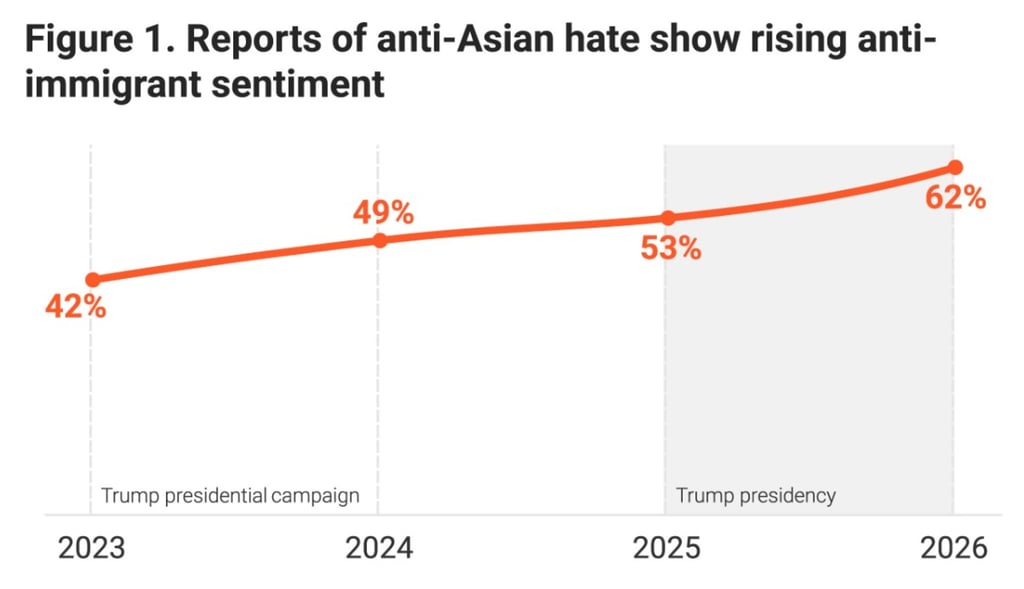
According to a report released last week by activist group Stop AAPI Hate, expressions of anti-immigrant hostility rose 50 per cent among 1,825 reported Asian hate incidents between January 2023 and June 2026.
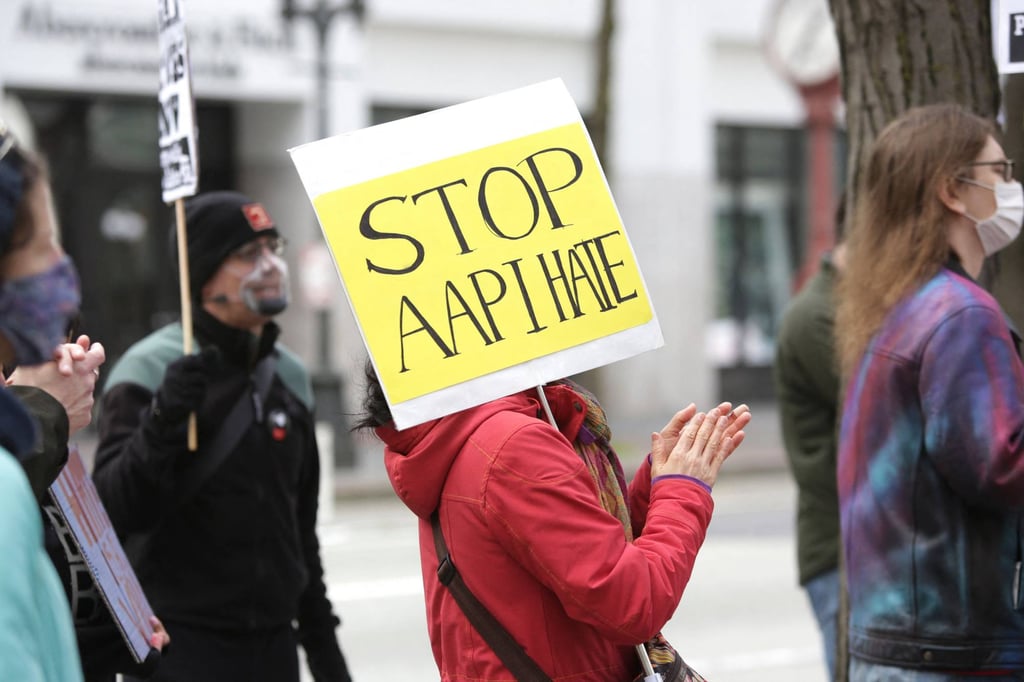
These “increasingly echo the anti-immigrant rhetoric and policies of the second Trump administration,” the group said. “People are told to ‘go back where they came from,’ called ‘spies’ and ‘invaders,’ and threatened with deportation.”
On other fronts, some two-thirds of AAPI adults said they saw foreign government attempts to influence the US election as a major concern, while over half said the same about domestic rejections of valid ballots or eligible people not being allowed to vote.
About half also expressed concern about fake or false candidate information, legal challenges to election results, violence after the election and threats of violence at the polls.
During his second term, Trump has tried to restrict mail-in voting, access confidential voter records, require proof of citizenship and claim widespread fraud without proof. And despite several legal setbacks, he has touted these as necessary for election integrity, even as civil rights groups and election scholars frame them as moves to restrict access by his political opponents.
KioskNews shows a cleaned-up reading view extracted from the publisher’s page — the original always lives on their site, not ours.