Nobel Peace Prize: the message behind Navi Pillay’s win
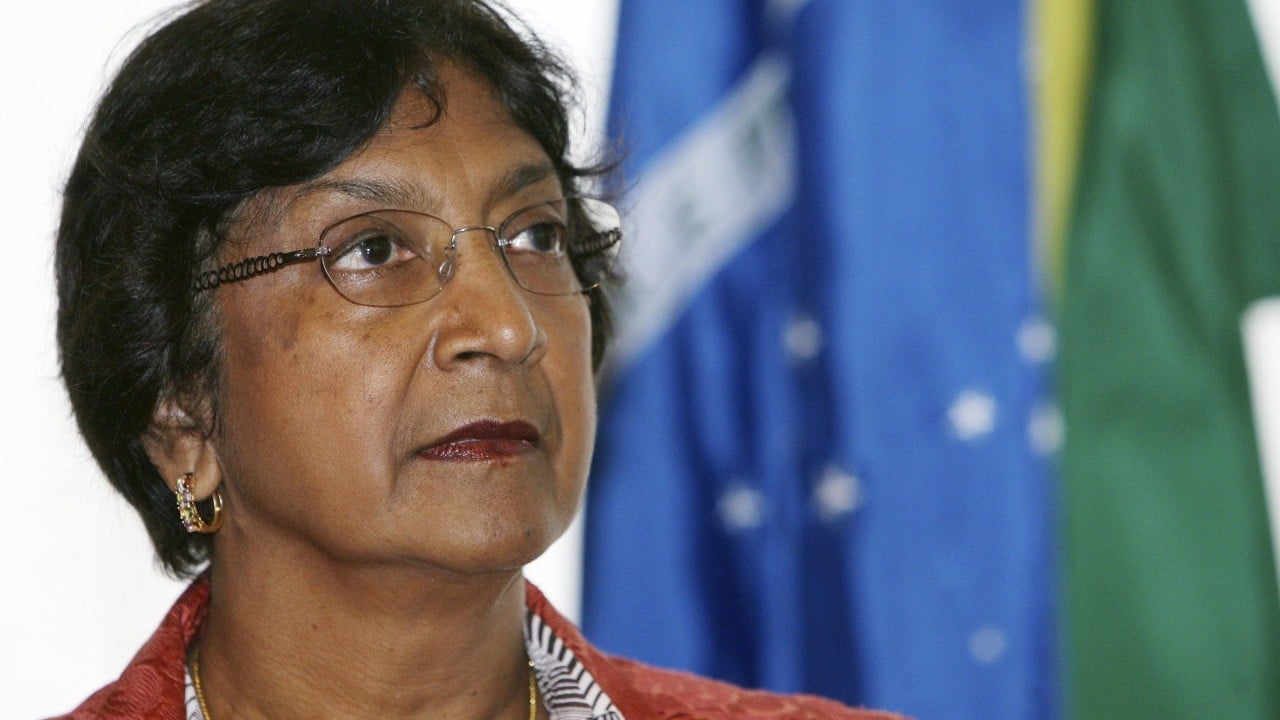
The awarding of the 2026 Nobel Peace Prize to South African jurist Navanethem “Navi” Pillay matters for reasons that go well beyond the laureate herself.
The award does three things at once. First, it restores credibility to the prize. Second, it rejects in unambiguous terms the Thrasymachian doctrine that might is right, which has become the operating philosophy of major powers. Third, it highlights a warning of what happens when a hegemon decides it is above the law.
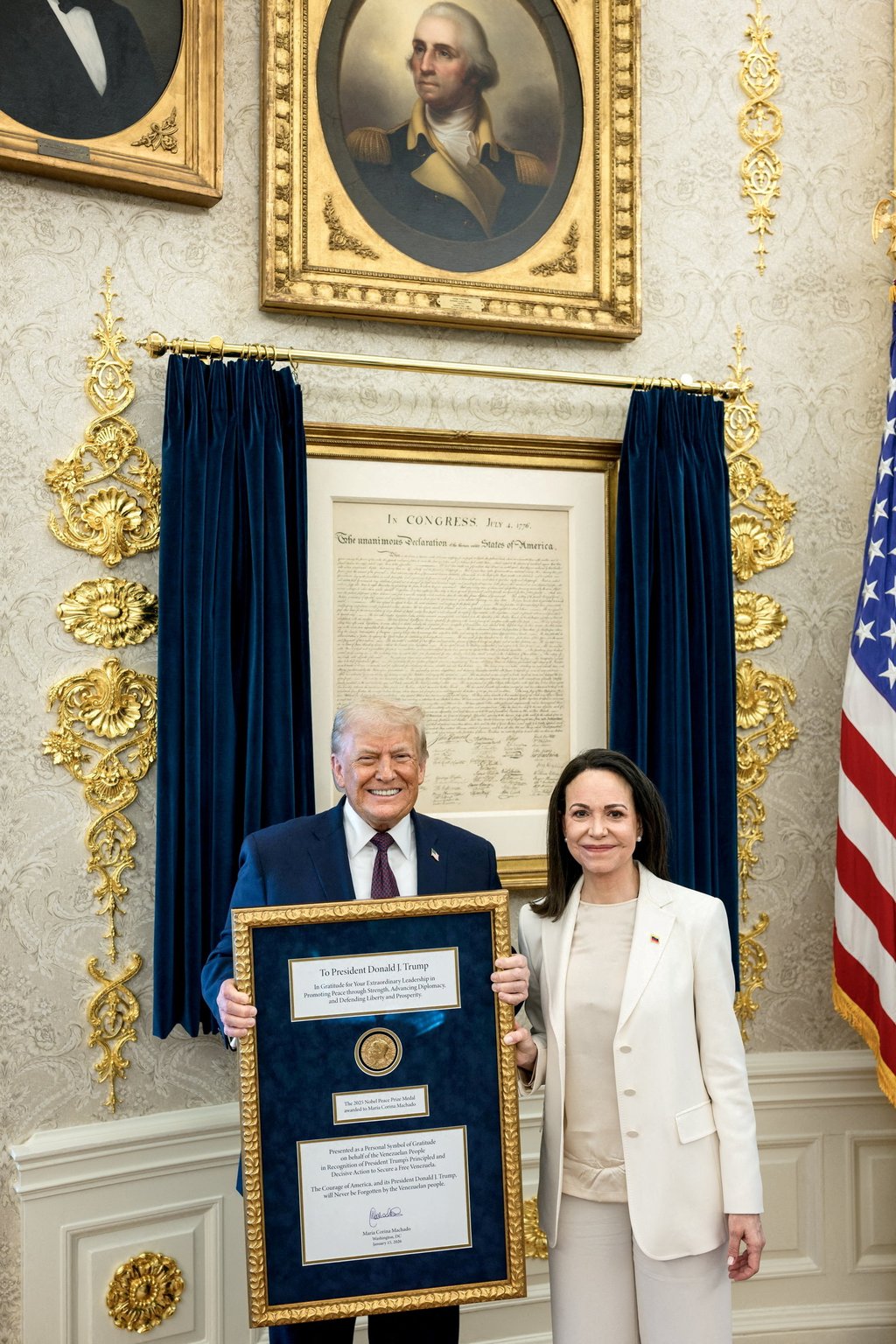
The correction was overdue. Last year, the Norwegian Nobel Committee gave the Peace Prize to Venezuelan opposition leader Maria Corina Machado, in what was widely read as a political signal. Machado, however, then gave her prize to US President Donald Trump.
Whatever one’s view of Venezuelan politics, that act made a mockery of an institution founded on Alfred Nobel’s will: that the prize go to the person who has done the most for fraternity between nations, for the abolition or reduction of standing armies, and for the promotion of peace congresses. A Nobel Prize cannot be re-gifted like a souvenir. As the organisers made clear, “a medal can change owners, but the title of a Nobel Peace Prize laureate cannot”.
In choosing Pillay this year, the Nobel Committee cited “her efforts to promote peace and international law” and her work showing that war crimes, crimes against humanity and genocide can and must be prosecuted.
It said: “The system of international law is under tremendous pressure, and its institutions are under attack. We see a shift towards power politics at the expense of legal frameworks and global respect for law and justice. Whenever might overtakes right, it undermines stability, trust and peaceful coexistence.”
Honouring Pillay is therefore not only about her biography; it is about upholding a principle.
In the West, it is the refutation of Thrasymachus’ contention in Plato’s Republic. In response to Thrasymachus’ declaration that “justice is nothing other than the advantage of the stronger”, Socrates answers that this cannot be justice at all. As Socrates puts it: “No physician, in so far as he is a physician, considers his own good in what he prescribes, but the good of his patient.”
In the East, the same contest is wangdao vs badao: the kingly way vs the hegemonic way. According to Mencius, he who uses force under the pretence of humaneness is a hegemon while he who uses his virtue to practice humaneness is a true king. The message is clear: a king dispenses benevolence with virtue; a hegemon appropriates benevolence by force.
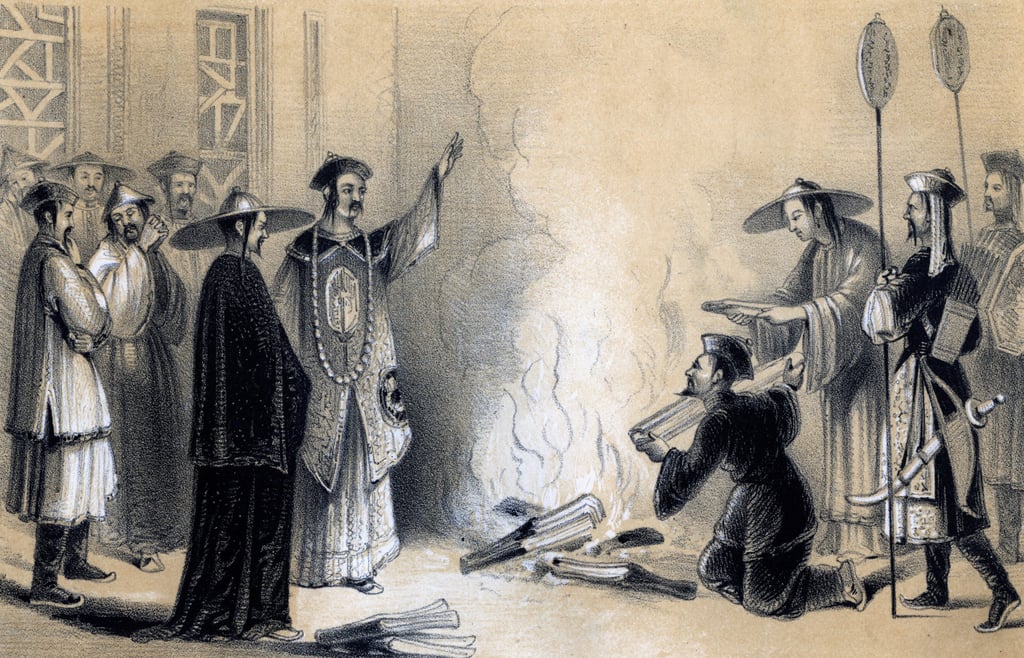
Confucius also rejected rule by force: a ruler must govern by virtue and humaneness, holding the mandate of heaven by moral rectitude, not coercion. His great antagonist, Han Feizi, China’s Machiavelli, argued the opposite: man is selfish, order comes only from shi (positional power), fa (the law as an instrument of the state) and shu (techniques of reward and fear).
For Han, the first principle of political theory was the reality of human nature. This was the legalist doctrine favoured by China’s first emperor, Qin Shi Huang, who unified the country in 221BC. I place Pillay firmly in the Socratic-Confucian lineage – might may prevail but that does not make it right, and even the strongest state is bound by law.
The third reason is more immediate, and it concerns Trump. His petulance at not receiving the Nobel Peace Prize – last year and, again, this year – would be comical if it were not consequential. Earlier this month, he argued that he should win the Nobel Peace Prize for having settled “eight wars”.
What is consequential is how American power has been deployed against the very institutions that Pillay, a former judge of the International Criminal Court (ICC), helped to build.
In February last year, Trump issued an executive order announcing sanctions on 13 ICC officials. On October 9 this year – hours after Pillay’s prize was awarded – the US Treasury added the ICC itself to its sanctions list, with Secretary of State Marco Rubio saying: “We will ban transactions with this rogue court, cutting off their resources and crippling its ability to operate.”
For China, this moment carries a particular lesson. As a major power, China will be judged not only by its growth but by its rectitude.
Pillay’s career suggests what that choice requires. Her most controversial work was as the chair of the UN Independent International Commission of Inquiry on the Occupied Palestinian Territory, which concluded last year that Israel was failing to prevent and actively committing genocide.
The commission found that four of five acts defined under the 1948 UN Genocide Convention had been committed, and that Israel’s President Isaac Herzog, Prime Minister Benjamin Netanyahu and former defence minister Yoav Gallant had incited genocide. Israel dismissed the report as a “libellous rant” and “scandalous”.
Pillay, who in 1967 became the first woman to establish a law practice in South Africa’s then Natal province, who in 1973 won a case for Robben Island prisoners including Nelson Mandela to have access to lawyers, and who served as a judge at the International Criminal Tribunal for Rwanda that investigated the 1994 genocide, in which about 800,000 people were killed, knows that the law is fragile.
The world needed to understand that the alternative is the situation Thrasymachus and Han described. The 2026 prize is a reminder that we can still choose the normative path.
KioskNews shows a cleaned-up reading view extracted from the publisher’s page — the original always lives on their site, not ours.