‘Sailing in same boat’: Xi calls for stronger shared interests in Apec opening remarks
This live article is freely available to our registered users. Please log in or create an account.
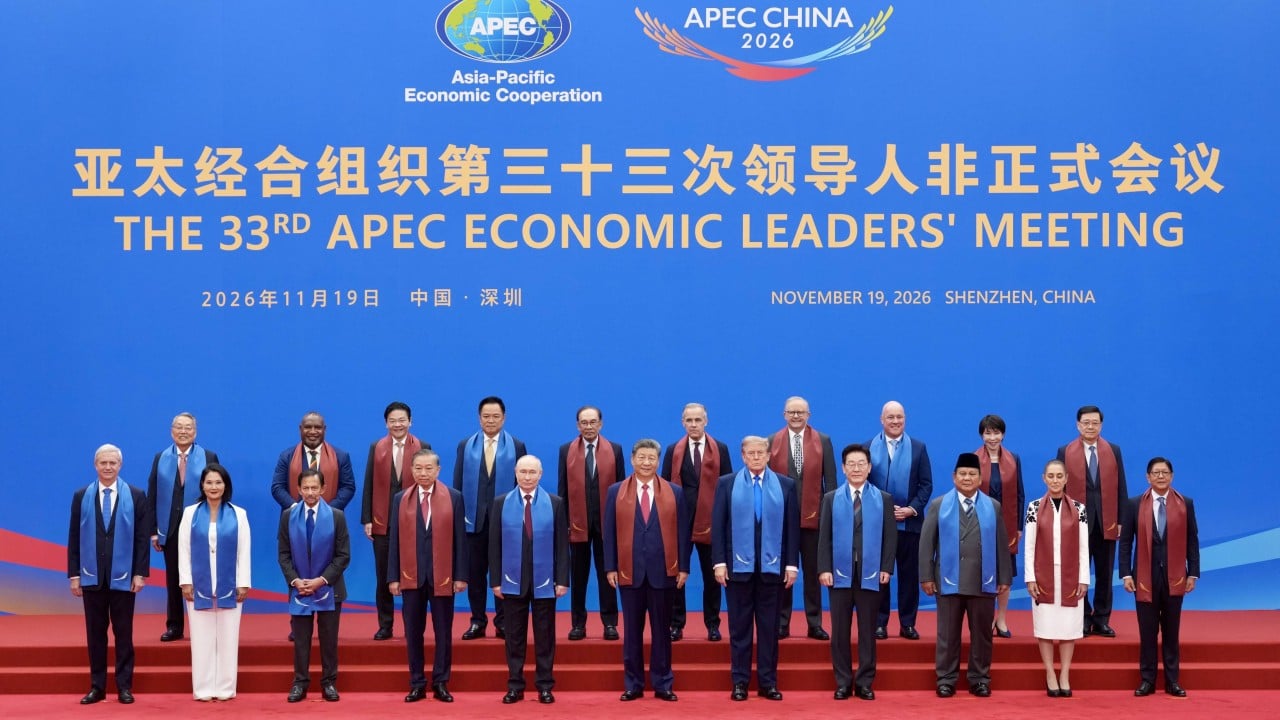
World leaders are gathering in Shenzhen on Thursday for the Asia-Pacific Economic Cooperation (Apec) plenary, looking for ways to promote trade and investment at a time of rising global uncertainty.
Chinese President Xi Jinping, US President Donald Trump, Russian President Vladimir Putin, Canadian Prime Minister Mark Carney and Australian Prime Minister Anthony Albanese are among the leaders attending the summit in the Chinese technology hub, alongside their counterparts from across the Asia-Pacific.
The conflict in Iran, which has disrupted energy supplies, and the war in Ukraine are expected to feature in discussions. There will also be attention on the choreography between leaders, including any encounter between Xi and Japanese Prime Minister Sanae Takaichi, who has not met the Chinese leader since her remarks on Taiwan last year plunged relations into their deepest freeze in years.
Trump is set to hold talks with Xi in the afternoon, their third in-person meeting this year, as Washington and Beijing seek to keep a lid on trade frictions that continue to weigh on their relationship.
Reporting by Orange Wang, Khushboo Razdan, Amber Wang, Alyssa Chen, Cao Jiaxuan, Dewey Sim and Carol Yang
More from our coverage:
Enable alerts for all live updates
9:33AM
Artificial intelligence
AI is likely to feature prominently in the Trump-Xi meeting, with both sides looking to find ways to manage risks without slowing domestic innovation.
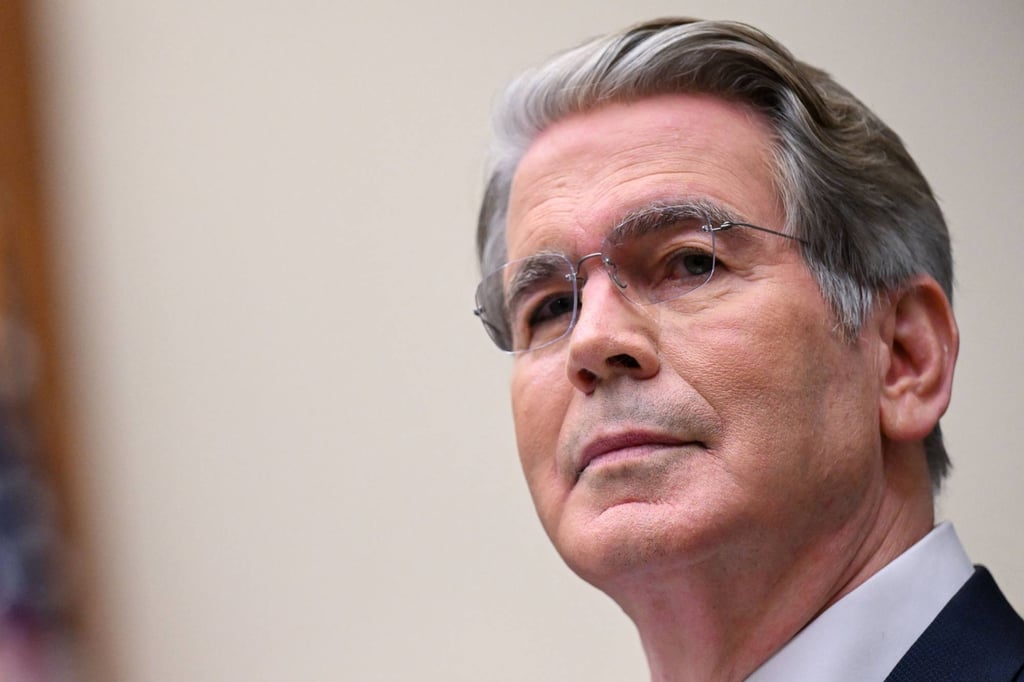
US Treasury Secretary Scott Bessent said last week that Washington and Beijing had begun establishing a new dialogue mechanism aimed at guarding against shared risks and averting misunderstandings.
It builds on an agreement reached in September to establish a direct channel for notifying each other of serious AI-related incidents.
9:33AM
Midterm elections defeat
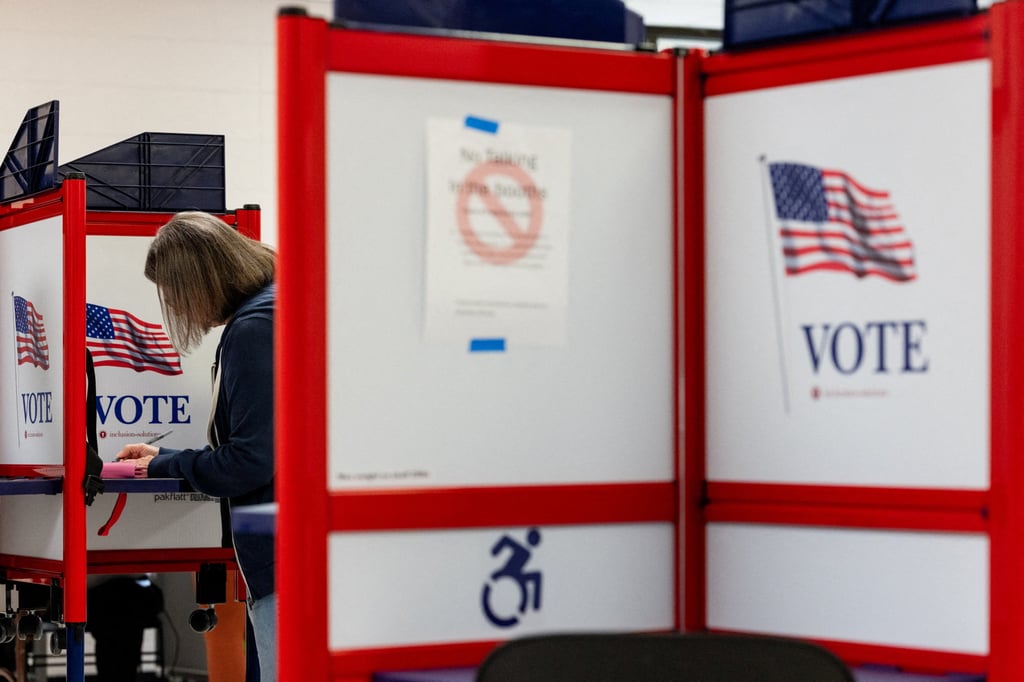
The summit comes weeks after the Republicans lost both chambers of Congress in the US midterm elections, a result that could make it harder for Trump to find ways of accommodating Beijing.
Lawmakers and business groups are likely to press harder on issues such as Chinese purchases of US agricultural goods and reliable supplies of critical minerals, such as rare earths.
KioskNews shows a cleaned-up reading view extracted from the publisher’s page — the original always lives on their site, not ours.