Deep Localisation Key To Sustainable Business In India: Maruti Chief
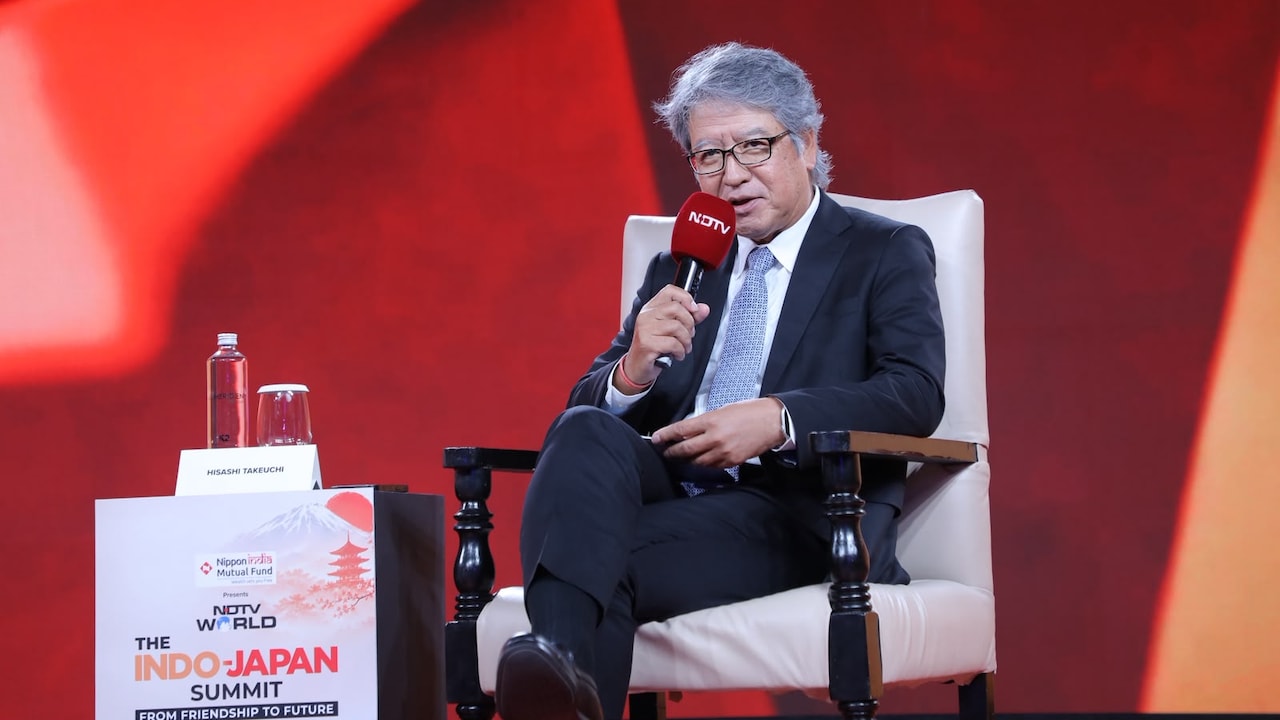
Deep localisation will be the next big challenge for Maruti Suzuki, Hisashi Takeuchi, the Chief of Maruti Suzuki India Ltd told NDTV in an exclusive interview today.
When the company started business in India 43 years ago, there was almost no evidence of real local manufacturing, he said. While India had huge potential, there was no supplier network or supplier ecosystem.
It was the idea of Suzuki's former chairman, Osamu Suzuki, that he has to create a supplier ecosystem before doing any deep localisation.
"So we started from one or two, three Indian suppliers, and then gradually increased the number of suppliers. Now we have almost more than 400 tier one suppliers, as well as 1,500 tier two and tier three suppliers in India," he said. It is these suppliers, he said, who are responsible for creating the Indian auto industry by themselves, and serving the components not only to Maruti Suzuki, but all the OEMs in India.
Now, he said, it is time for the next stage. With Maruti Suzuki becoming almost like number three biggest auto market in India and all ready to export worldwide, the company needs to achieve the worldwide level of quality and cost and productivities.
"Deep localisation is a key to make the business sustainable, and also resilient to any disruption which we are facing right now," he said.
Giving an instance, he said they are facing shortages every day on substances like semiconductor or rare earth material, or oil and gas crisis from West Asia.
"But in order to be competitive and agile for development and resilience to any disruption, we have to improve the localization level.
So if we rely on the supply of components from the other countries, we cannot be really competitive and sustainable. So that's how we set this deep localization as our next challenge, after setting up the big local ecosystem of supplier network," he said.
KioskNews shows a cleaned-up reading view extracted from the publisher’s page — the original always lives on their site, not ours.