The 10 Greatest Heroic Fantasy Books of All Time, Ranked


Diego Pineda has been a devout storyteller his whole life. He has self-published a fantasy novel and a book of short stories, and is actively working on publishing his second novel.
A lifelong fan of watching movies and talking about them endlessly, he writes reviews and analyses on his Instagram page dedicated to cinema, and occasionally on his blog. His favorite filmmakers are Andrei Tarkovsky and Charlie Chaplin. He loves modern Mexican cinema and thinks it's tragically underappreciated.
Other interests of Diego's include reading, gaming, roller coasters, writing reviews on his Letterboxd account (username: DPP_reviews), and going down rabbit holes of whatever topic he's interested in at any given point.
Sign in to your Collider account
Several subgenres of fantasy literature tend to provide irresistibly entertaining experiences, and heroic fantasy has long been one of the most popular branches of the genre for a reason. These are stories all about brave, weapon-wielding heroes navigating imaginary worlds and embarking on grand, mythic adventures pitting good against evil.
It's a term often used interchangeably with sword-and-sorcery, though heroic fantasy is often accepted as the broader umbrella subgenre that contains categories like sword-and-sorcery. Even so, history has seen many an exceptional heroic fantasy book that has joined the ranks of the greatest fantasy novels ever written. From foundational classics like The Eye of the World to modern gems like Wrath, these are works which prove why heroic fantasy has long remained such a popular genre.
10 'Wrath' (2016)

On the whole, John Gwynne is a true titan of the heroic fantasy space, but even the world's greatest have crafted books that have gone criminally underappreciated. Case in point: Gwynne's The Faithful and the Fallen series, whose best installment is arguably its fourth, Wrath. It's one of the best fantasy books of the last 20 years, perfect for people who don't mind very trope-heavy heroic fantasy.
Indeed, Wrath is built on tried-and-true fantasy conventions, but Gwynne executes them with such mastery that he proves why a novel in this subgenre needn't be subversive in order to be legendary. With its sky-high stakes and well-earned emotional payoffs, Wrath serves as a wonderfully fun finale for the Faithful and the Fallen series, which overall deserves infinitely more love from mainstream readers.
9 'Magician' (1982)

Originally published in two parts, Magician: Apprentice and Magician: Master, Raymond E. Feist's Magician is technically all one big epic adventure novel which kicks off the Riftwar Saga series. Set in a fascinating fantasy world clearly inspired by Dungeons & Dragons, Magician is yet another instance of a novel that proves that even fantasy books built on old-school tropes and archetypes can be absolutely masterful.
Whether it's read as a single volume or its two halves are spaced out, Magician is one of the defining fantasy masterpieces from the '80s, a classic tale of two worlds with a dual protagonist dynamic that's nothing short of fascinating from beginning to end. What starts as a more intimate coming-of-age story gradually transforms into a sweeping interdimensional war with a stunning sense of narrative momentum.
8 'Lord of the Silver Bow' (2005)

Many authors throughout history have been absolutely foundational for the heroic fantasy genre as a whole, but if a fan of the genre were forced to pick a single name as the most important in the genre's history, it would surely have to be David Gemmell. Those looking to get into the legendary author's work may as well start with one of his best: Lord of the Silver Bow, the first installment in Gemmell's Troy trilogy.
This reimagining of the events leading up to the Trojan War is among those forgotten fantasy books that have aged like fine wine. Gemmell takes a tale inherently steeped in Greek mythology and strips it of divine intervention, instead exploring the elements that heroic fantasy is all about: heroic human agency, layered political games, and vast and complex military conflicts. There's no way of getting to the final page of Lord of the Silver Bow and not wanting to pick up its sequel right after.
7 'The Last Wish' (1993)
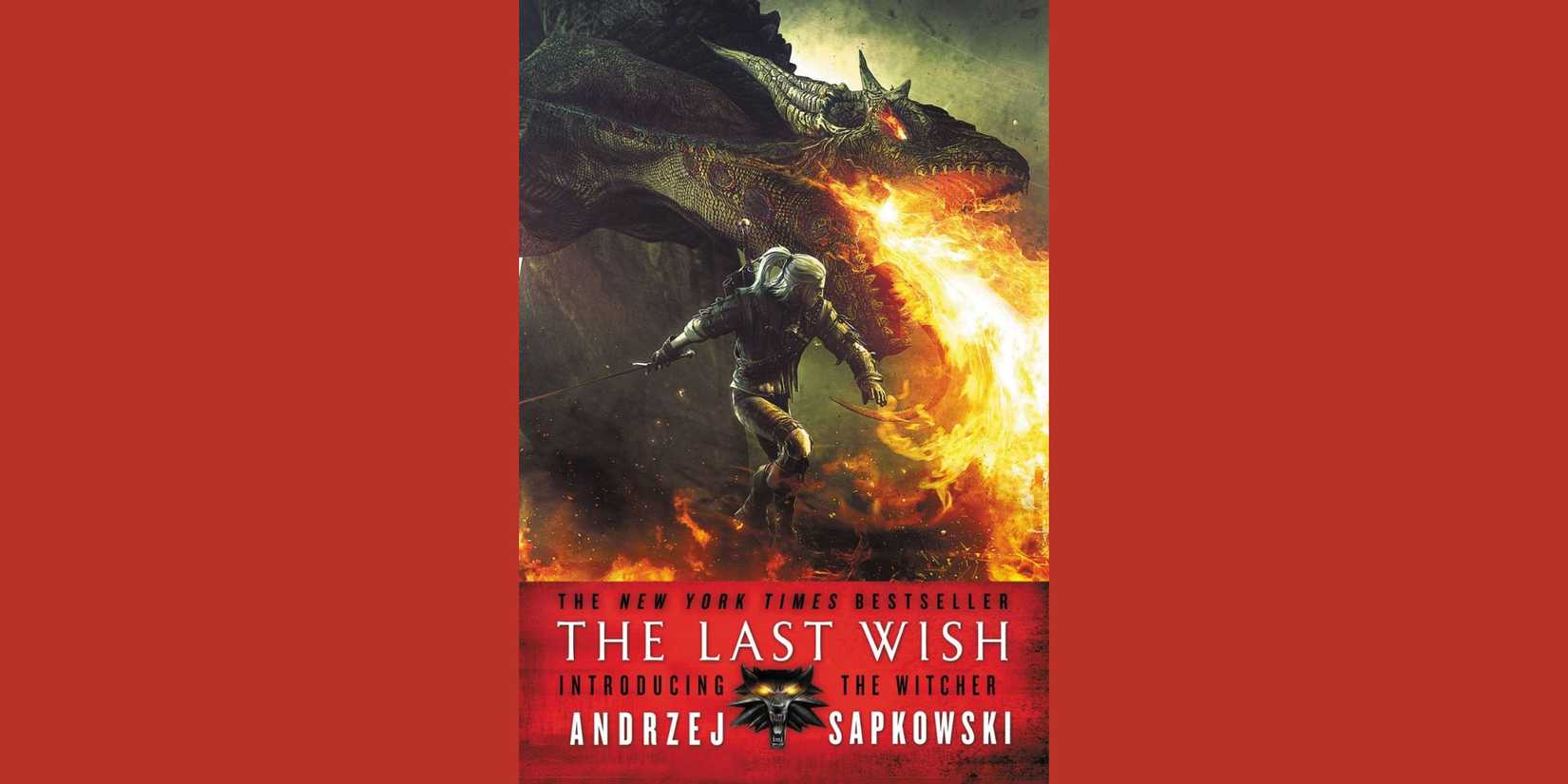
It wasn't until the success of CD Projekt Red's The Witcher video game series that Andrzej Sapkowski's book series of the same name really became an internationally mainstream book series. However, the books became hugely popular in Eastern Europe since the first installment, Sword of Destiny, hit bookstore shelves in 1992. It was followed by The Last Wish, a short story collection that anyone even slightly interested in the world of The Witcher should consider a must-read.
It's one of the most perfectly written dark fantasy books of all time, a true landmark work in modern heroic fantasy. Those who prefer works unafraid to subvert classic heroic fantasy tropes ought to check out The Last Wish, a book that takes the traditions of old European fairy tales and folk tales and filters them through a refreshingly gritty, realistic, and even darkly humorous lens.
6 'The Eye of the World' (1990)
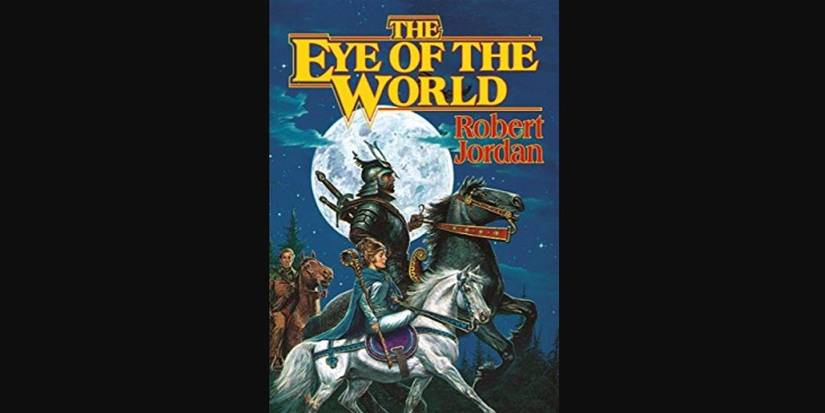
Robert Jordan's The Wheel of Time saga, on top of being one of the fantasy book series with the best lore, is far and away one of the most important, influential, and massive epics in the history of high fantasy literature. When book series go on for as long as The Wheel of Time did, their opening chapters end up being covered by the weight of their sequels, but not in this case. All in all, The Eye of the World is still one of the best fantasy novels of the '90s.
It was one of the books that helped bridge the gap between classic, Tolkienesque mythic high fantasy and a darker, more complex, and more modern version of the genre. Jordan first lulls the reader into a cozy air of nostalgia, only to then shatter those expectations with something more vast, sprawling, and unique. It contains the best of both worlds, perfectly able to satisfy both fans of classic heroic fantasy and those who prefer its newer renditions.
Collider Exclusive · 8 Questions · 2 Minutes What Fantasy World Do You Belong To? Middle-earth · Grand Line · The Continent · Camp Half-Blood
Pick your magic, your crew, where you want to wake up and who you would rather be fighting, and we will tell you which world you actually belong in. Four are open to you: an ancient kingdom living through its last good age, an endless sea full of pirates, a continent that pays people to kill monsters, and a summer camp where the Greek gods are extremely real and mostly a nuisance.
💍Middle-earth(Rings of Power)
👒Grand Line(One Piece)
🐺The Continent(The Witcher)
🔱Camp Half-Blood(Percy Jackson)
01
What kind of power do you want? Every one of these worlds runs on a completely different sort of magic.
02
Who is travelling with you? Nobody gets through any of these stories entirely on their own.
03
Where do you want to wake up tomorrow? The best fantasy is usually just somewhere you would genuinely like to live.
04
How are you making a living out there? Even in fantasy somebody has to pay for the horse.
05
There is something in the woods. What do you do about it? All four of these worlds keep something unpleasant out there in the dark.
06
Who is the villain of your story? The enemy tells you far more about a world than the hero ever does.
07
What do you actually believe in out there? Every world hands its heroes one rule and asks them to hold onto it.
08
A thousand years from now, how are you remembered? Eight questions in, this is the one that decides your world.
The Map Is Drawn Your World Is…
Four worlds and four completely different ideas of what a good life looks like. This is where you belong, what it would ask of you, and what you would get back in return.
Middle-earth
You belong somewhere old enough that the mountains have names and somebody can still tell you who gave them. Middle-earth is for people who think the right thing is worth doing even when it will not be finished in their lifetime.
- This is the only world on the list where doing good is understood as a very long defeat, fought anyway, by people who will never see how it ends.
- You are drawn to grandeur, to white cities and deep forges and the sense that almost everything you touch is older than your entire family line.
- The Rings of Power is set in the last good age before it all goes wrong, which gives every quiet scene in it a slightly unbearable weight.
- You would take the hard road, and you would take it on foot.
The Grand Line
You want the sea, a crew, and absolutely nobody telling you where you are allowed to go. The Grand Line is the world for people whose main ambition in life is finding out what is over there.
- One Piece has run for decades on one very simple engine, which is a group of people who each want something impossible and have decided to go and get it together.
- You collect people. Your ideal crew is a set of misfits who were each written off somewhere else before you turned up and offered them a better idea.
- The world is enormous and deliberately ridiculous, and the emotional gut punches land harder because of that rather than in spite of it.
- You would set sail knowing the map runs out, which is more or less the entire point of it.
The Continent
You would rather be feared and useful than liked and useless. The Continent is a world where the monsters are the straightforward part of the job and the people are where it all gets complicated.
- Witchers get paid to do what nobody else will and resented for existing at all, which is a trade most people would refuse and you would probably accept.
- You have no real illusions about which side is the good one, largely because on the Continent that question tends to have a disappointing answer.
- The best of these stories are not about the fighting. They are about somebody with a rigid code being repeatedly cornered into caring about people.
- You would take the coin, finish the job properly, and be out of town before the story got told wrong.
Camp Half-Blood
You want the myths to be real and loose in the actual world, and you want to find out at about thirteen that you were never anywhere near as ordinary as everybody kept telling you.
- Percy Jackson takes the oldest stories we have and drops them into car parks and diners, which makes the gods considerably funnier and a great deal worse.
- You would be the kid every school gave up on, who turns out to have been built for something nobody thought to test for.
- The series is genuinely about friendship rather than destiny, and it says so out loud every time a prophecy tries to get in the way.
- Camp Half-Blood is the real fantasy here: a place where the thing that made you difficult everywhere else is the thing that makes you belong.
5 'Legend' (1984)

Who, if not David Gemmell, could possibly deserve to be mentioned not only once, but twice when talking about the greatest heroic fantasy books of all time? There's a strong argument to be made in favor of Legend being not only his most famous work, but also his best. Indeed, it's essential reading for virtually anyone interested in understanding the course of the genre's history.
It's one of the greatest debut novels in the history of fantasy literature, infused with an urgent and visceral sense of energy often attributed to Gemmell having been facing a cancer diagnosis (which he thankfully later recovered from) at the time. As if the great writing and the fast-paced plotting weren't enough, Legend also introduced the world to Druss the Legend, recognized by some as the poster boy of the heroic fantasy genre.
4 'The Blade Itself' (2006)
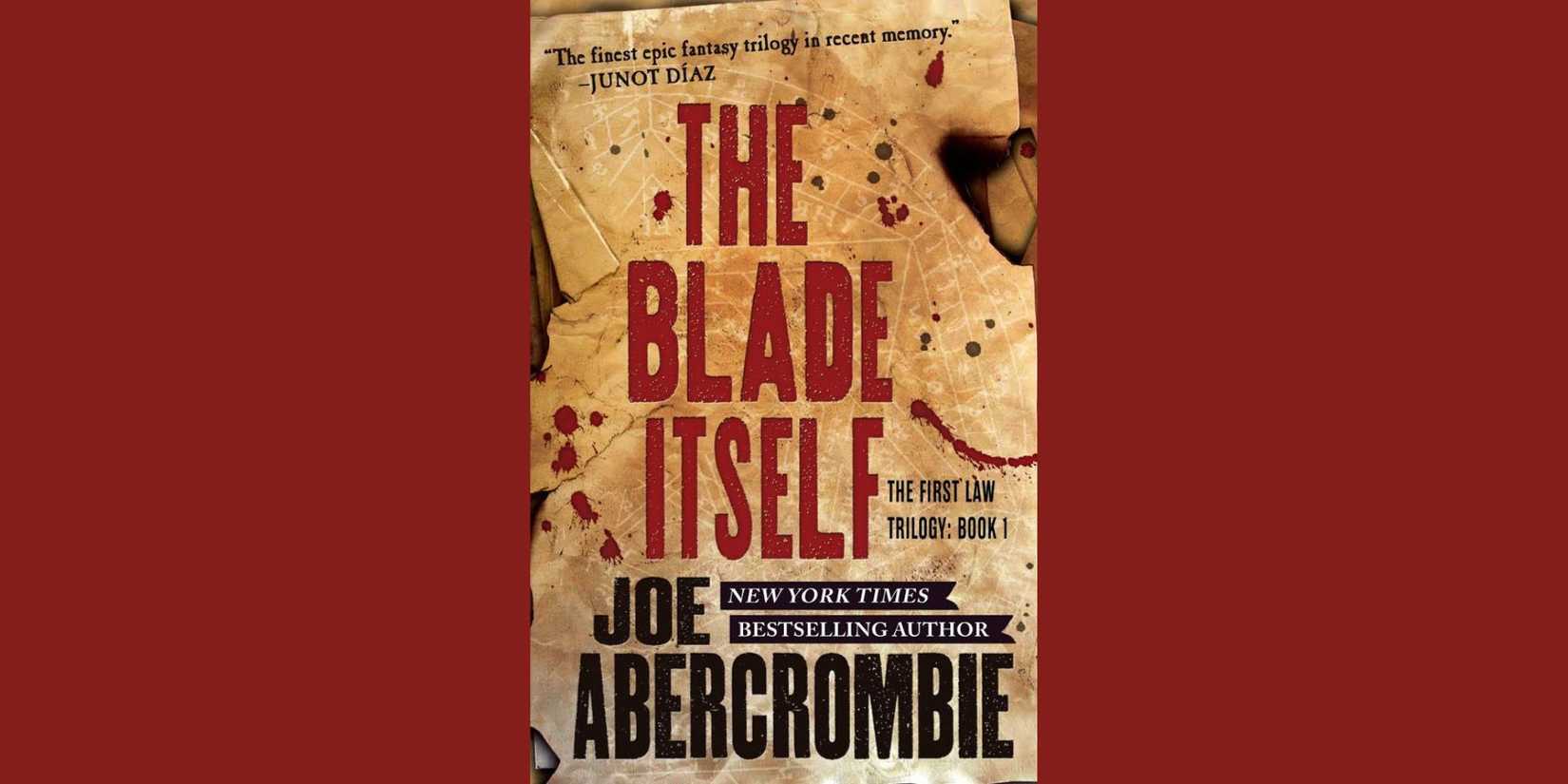
Joe Abercrombie's The First Law book series is widely recognized as one of the greatest and most important in the 21st-century history of fantasy literature. Composed of two trilogies, two short story collections, and three standalone books, it all started with the iconic The Blade Itself, generally recognized as one of the best sword-and-sorcery books of all time.
Calling The Blade Itself one of the greatest works of heroic fantasy in history comes with a heavy dose of irony, because the book's biggest accomplishment is taking the genre's tropes and archetypes, turning them on their head and drenching them in dark humor, hopeless cynicism, and moral grayness. It's one of the most important works of grimdark fantasy of modern times, proof of just how revolutionary heroic fantasy can be.
3 'The Name of the Wind' (2007)
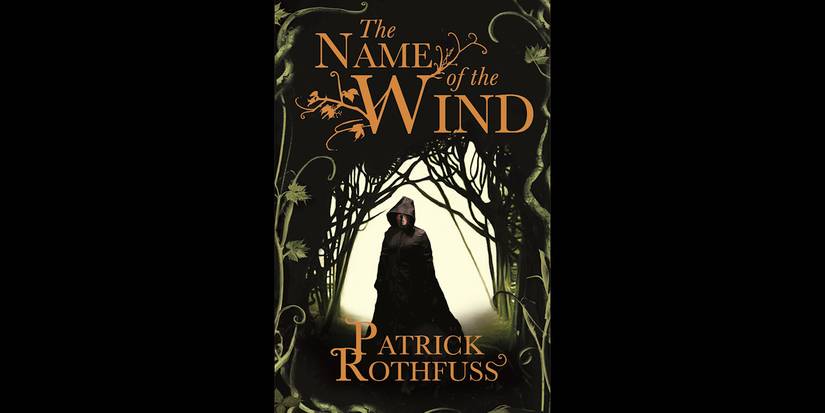
It has been 15 years of waiting for the next installment in Patrick Rothfuss' The Kingkiller Chronicle trilogy; but even if that final chapter never comes, one thing will forever remain certain: The Name of the Wind is one of the greatest fantasy books ever written. While other works from this genre shine through their high-stakes battles or their mythical adventures, The Name of the Wind shines through its emotional intimacy, narrative craftsmanship, and the depth of its character work.
It's one of those fantasy books that are a masterclass in great prose, meticulously written with language so rhythmic and beautifully lyrical that it's almost impossible to put the book down. Add to that some wonderfully written dialogue, engrossing character arcs, and brilliantly layered worldbuilding, and there should be no doubt as to why many would call this one of the true pinnacles of the 21st century's history of heroic fantasy literature.
2 'Words of Radiance' (2014)
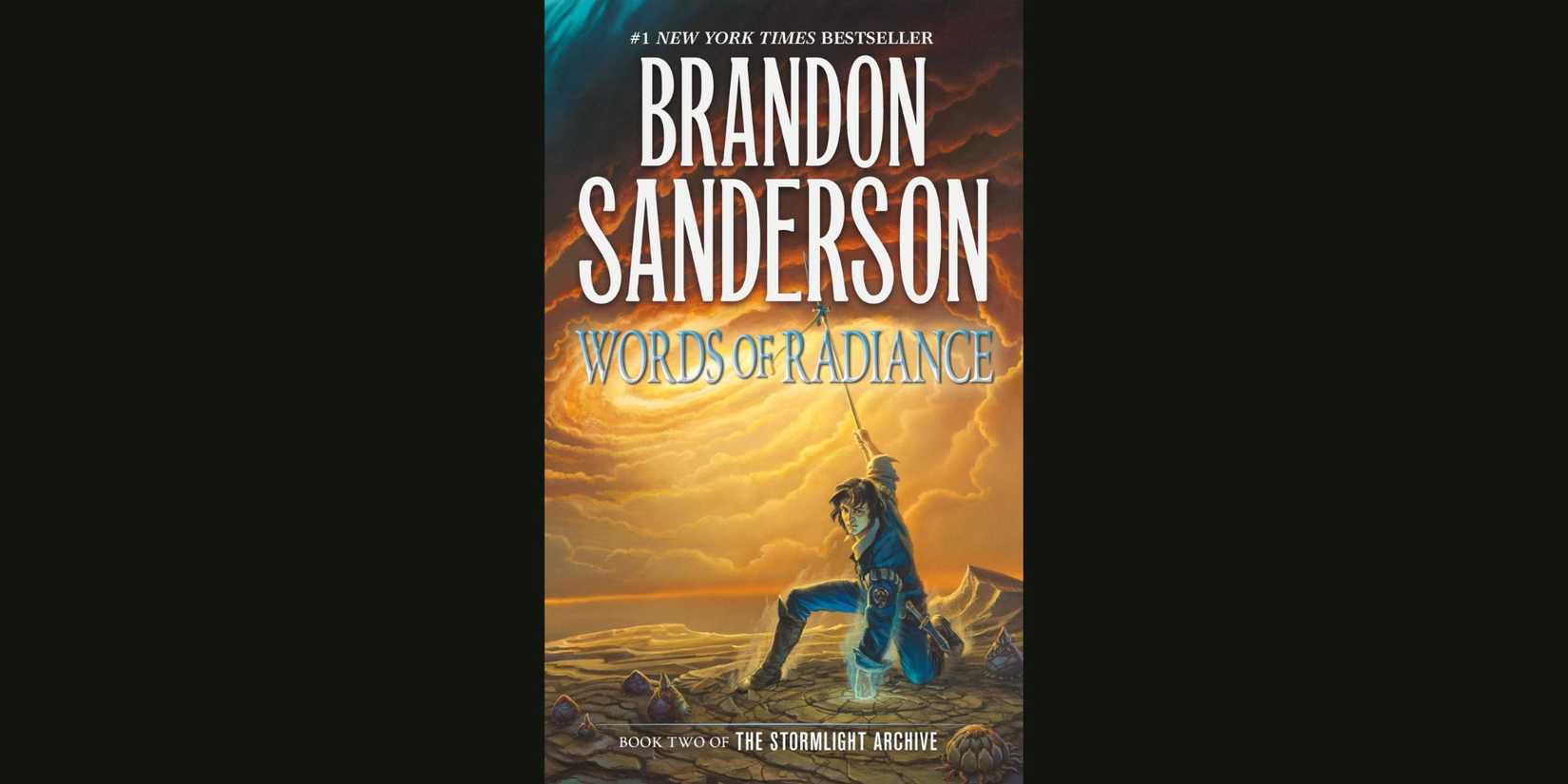
When it comes to speculative fiction authors, it doesn't get much more prolific or successful than Brandon Sanderson, whose Stormlight Archive series is easily among the greatest epic fantasy book trilogies of the 21st century thus far. Over the years, fans have had the most praise for the second installment in the series, Words of Radiance. Indeed, if any novel is worthy of the title of "best fantasy book of the last 26 years," it's this one.
Following on the massive worldbuilding project that was the masterful The Way of Kings, Words of Radiance takes everything that worked about the first book, drives the narrative and emotional stakes up to eleven, and delivers a breathtaking tour-de-force from cover to cover. The novel embraces many of the classic tropes of the heroic fantasy genre while adding tremendous psychological and narrative depth, and offers unique twists on many others which have only gotten more compelling with age.
1 'The Lord of the Rings' (1954–1955)

It's in no way an overstatement to say that J. R. R. Tolkien's The Lord of the Rings is the greatest, most important, and most influential fantasy book of the entire 20th century. It's one of the most universally acclaimed books of all time — regardless of genre — a gargantuan heroic fantasy epic of such tremendous scale and scope that it had to be published in three volumes. Over 70 years after the publication of The Return of the King, bookworms' love for this masterpiece only keeps growing.
In more ways than one, The Lord of the Rings is the foundational bedrock upon which the entire heroic fantasy genre was built following the huge effect it had on fantasy literature in the '50s. From the worldbuilding to the character writing and plotting, to Tolkien's legendary prose, virtually everything about The Lord of the Rings is perfect. There is no way of acquiring a complete, well-rounded understanding of the heroic fantasy genre without having read its magnum opus.
KioskNews shows a cleaned-up reading view extracted from the publisher’s page — the original always lives on their site, not ours.