Jensen Huang rejects succession plan, says Nvidia has enough leaders to run the company
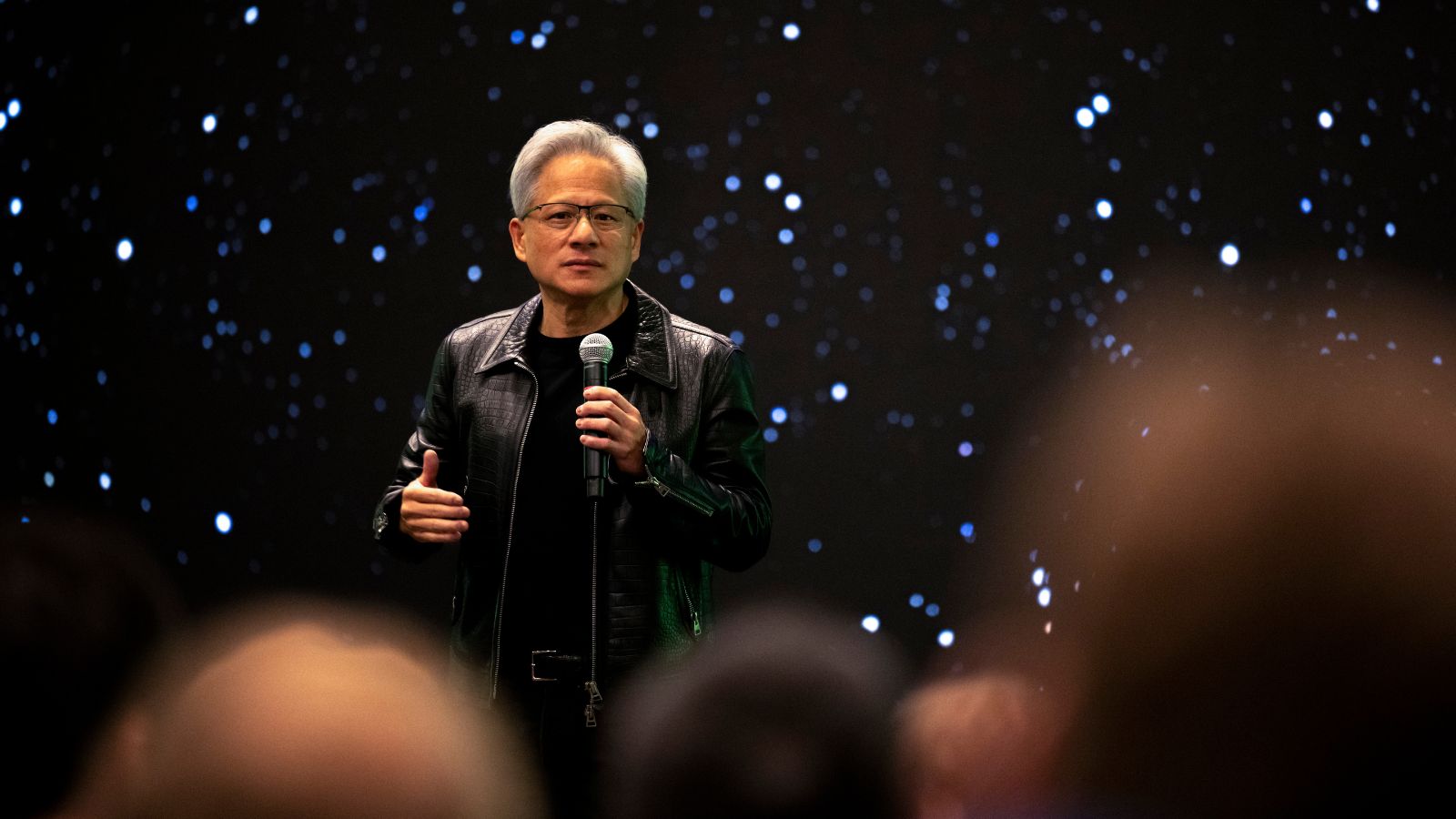
Now that Jensen Huang is back at the helm of affairs at the world’s leading chipmaker, it appears that the company no longer needs to have a succession plan in place. After resuming as the CEO of Nvidia, the 63-year-old held his first employee meeting. In his address, which was both apologetic and contrite, he expressed sincere apologies for his actions and what unfolded in the last few weeks.
A report by CNBC said that Huang addressed succession planning in the meeting. The CEO reportedly told staff that Nvidia has built a team that does not need succession planning as regular organisations do. This is mainly because the company operates a unique business model with multiple capable leaders at Nvidia who are steering different aspects of the company. According to Huang, a succession plan may lead to unnecessary hierarchy.
What Huang said at the first all-hands meeting
He reportedly began the meeting by thanking CFO Colette Kress for leading the company as the interim CEO amid the turbulent times. According to the publication, Huang revealed that Tuesday’s meeting with Nvidia staff was the second hardest meeting of his life, the first being with his wife. One of the people privy to the development told CNBC that Huang informed them that he was going to therapy every day for an hour and a half. The remorseful CEO said that he had made some very serious personal mistakes.
Huang said the board invited him to return as CEO after spending the weekend reviewing the situation. He added that Nvidia’s code of conduct, which he helped write, remains in place to ensure a safe and respectful workplace. He said violations of Nvidia’s code of conduct would be taken seriously, but each case would be assessed based on its circumstances and the people involved. Huang also thanked the company for giving him a second chance.
He also addressed the criticism he had received regarding his management style. self-described ‘insanely intense’ management style. Huang acknowledged that his behaviour had, at times, negatively impacted employees. Even though the CEO admitted that this intensity that he brought to his job elevated those around him, he admitted that often it took things too far. He said it disempowers them, and that was not right. Further, he said that he needed to figure out how to maintain his level of dedication to the organisation without causing hurt to people who serve alongside him.
Huang said he would hold himself to higher standards and undergo monthly 360-degree performance reviews, although the process would apply only to him. He also insisted that Nvidia remained politically neutral, despite praising US President Donald Trump, who played a key role in his return. Further, he highlighted his commitment to supporting women employees and promoting work-life balance through flexible workplace policies.
Dramatic exit and return
Talks around succession planning gained momentum after Huang resigned on November 12, after revelations about his multiple extramarital affairs, including one with a Chinese businesswoman suspected of being an alleged spy, emerged. The board of directors at Nvidia, which was earlier reluctant, reinstated him as the CEO on Monday, November 23. He returned to his role as Nvidia chief after an 11-day break since the controversy broke.
Story continues below this ad
Huang’s exit had rattled investors as Nvidia stock took a sharp hit following his resignation. The shares fell by about 24.5 per cent, dropping from $166.19 on November 12 to $125.53 by November 20, triggering widespread concerns about the company’s future. Regardless, the announcement of his return on November 23 kicked off a massive rebound. Buoyed by the development, Nvidia shares surged 31.5 per cent in a single trading session, adding over $950 billion to its market value.
KioskNews shows a cleaned-up reading view extracted from the publisher’s page — the original always lives on their site, not ours.