7 Box Office Flops From The 1990s That Became Childhood Classics, Including The Iron Giant

Senior Music Editor at Screen Rant, Sarah's love of sound and story drive the beat. A globetrotting brand whisperer and award-winning journalist, she’s built cross-cultural narratives around the world—but music has always been her true north. She launched DJ Mag North America, successfully introducing the iconic UK brand to the U.S. market. Previously, she carved a space for EDM inside the pages of VIBE, blending electronic and hip-hop culture long before it was trendy.
Growing up in the 1990s, nobody particularly cared how much money their favorite movie made at the box office. If it was entertaining enough to watch repeatedly on VHS, that was usually sufficient. Whether it had earned back its production budget was somebody else's problem.
Yet some of the decade's most beloved childhood movies were commercial disappointments when they first arrived in theaters. Disney spent millions producing family adventures that struggled to attract audiences, while several animated features failed to compete with the enormous success of films like The Lion King and Toy Story.
The theatrical marketplace was particularly unforgiving to movies that didn't become immediate sensations. Fortunately, home video offered an entirely different opportunity. Families could discover something they'd missed in theaters, and children had a remarkable capacity to watch the same movie until they could practically recite it.
Some of these productions eventually joined the ranks of forgotten Disney movies worth revisiting, while others became established family favorites. Their second lives also demonstrate why theatrical revenue doesn't always reflect a movie's lasting cultural value.
Of course, box office disappointment isn't quite the same thing as a financial disaster. Theater owners retain a share of ticket sales, and marketing expenses can make an apparently respectable gross insufficient to justify a movie's cost. Meanwhile, VHS sales and television broadcasts could transform an unsuccessful release into a valuable property.
These seven '90s movies struggled commercially before finding the audiences they deserved. Some went on to inspire sequels and stage productions, while others developed passionate followings among the children who grew up watching them. Their original box office performances now seem almost impossible to reconcile with the affection they inspire.
Hocus Pocus (1993)
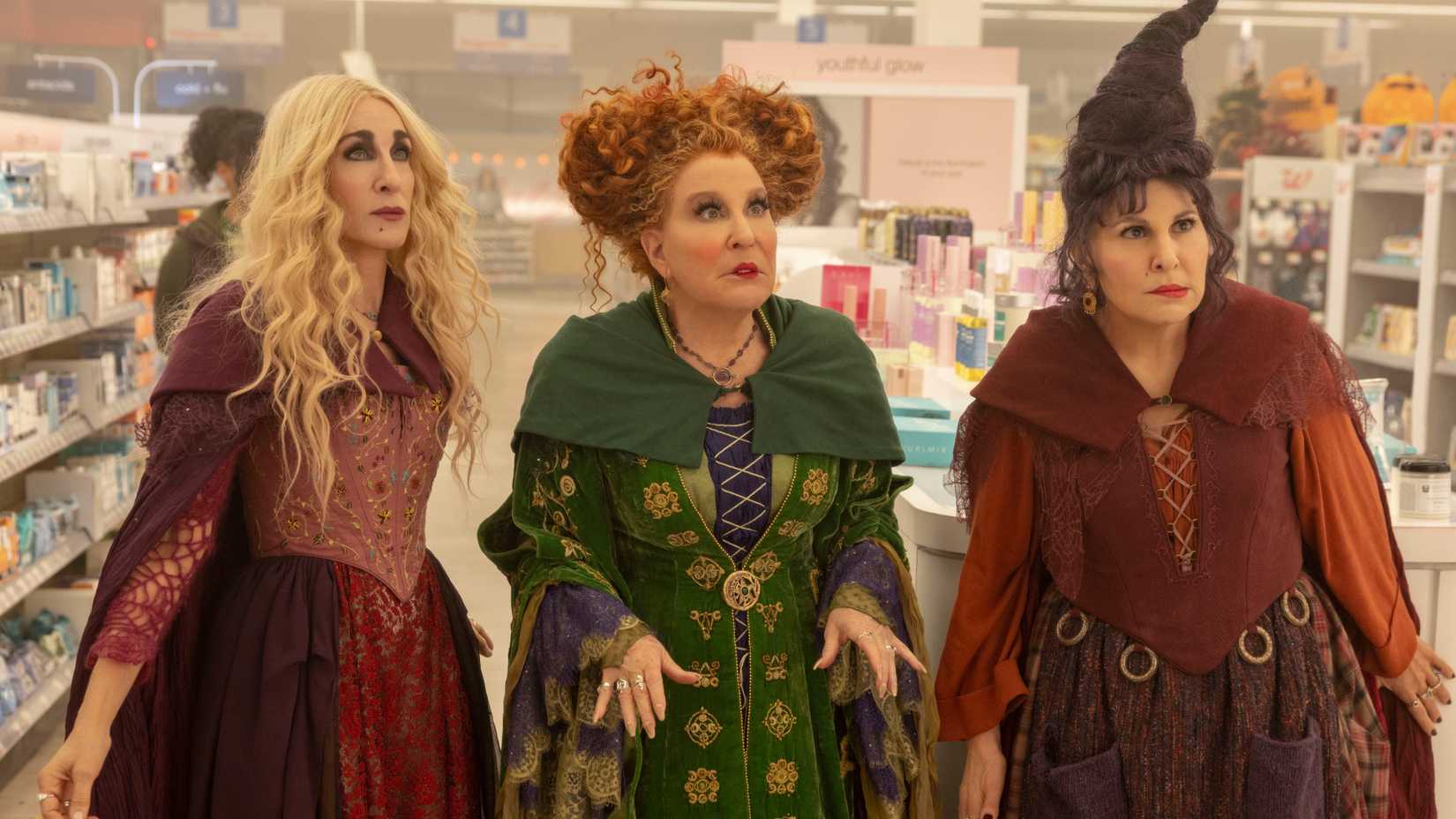
It's difficult to imagine Halloween without the Sanderson sisters, although Disney originally released Hocus Pocus in July 1993. That curious scheduling decision did little to help Kenny Ortega's supernatural comedy, which earned approximately $39.5 million during its original domestic theatrical run against a $28 million production budget. While hardly an outright disaster based on ticket sales alone, it was a disappointment for a studio hoping to establish another family favorite.
Bette Midler, Sarah Jessica Parker, and Kathy Najimy play three witches accidentally resurrected in modern-day Salem, Massachusetts. Their performances are deliciously theatrical, particularly Midler's commanding portrayal of Winifred Sanderson. The movie's mixture of broad comedy and surprisingly sinister moments also makes it considerably stranger than the typical Disney family adventure.
Television broadcasts and home video gradually transformed Hocus Pocus into an annual Halloween tradition. Its popularity eventually grew enough to inspire Hocus Pocus 2 in 2022, nearly three decades after the original. What initially seemed like an unsuccessful attempt at a family-friendly Halloween comedy became one of Disney's most recognizable seasonal properties.
The Rocketeer (1991)

Before superhero movies dominated multiplexes, Disney attempted to launch its own adventure franchise with The Rocketeer. Directed by Joe Johnston, the 1991 film follows Cliff Secord (Billy Campbell), a stunt pilot who discovers an experimental jetpack and becomes entangled in a dangerous conspiracy involving Nazi agents. The premise offered old-fashioned adventure with considerable potential, but the film failed to become the blockbuster Disney envisioned.
With a reported production budget around $40 million, The Rocketeer earned approximately $46.7 million domestically. Those figures weren't enough to cover the wider costs of a major theatrical release, and the disappointing performance effectively ended plans for a theatrical sequel. Its timing was hardly ideal, either, arriving between Robin Hood: Prince of Thieves and Terminator 2: Judgment Day.
What audiences eventually discovered was a wonderfully entertaining throwback to the adventure serials of the 1930s. Campbell makes an appealingly ordinary hero, Jennifer Connelly brings considerable charm to Jenny Blake, and Timothy Dalton has tremendous fun playing the villain. The elaborate costumes and Art Deco production design have aged beautifully, helping The Rocketeer develop a devoted following among fans who grew up with its distinctly retro vision of superhero cinema.
Newsies (1992)
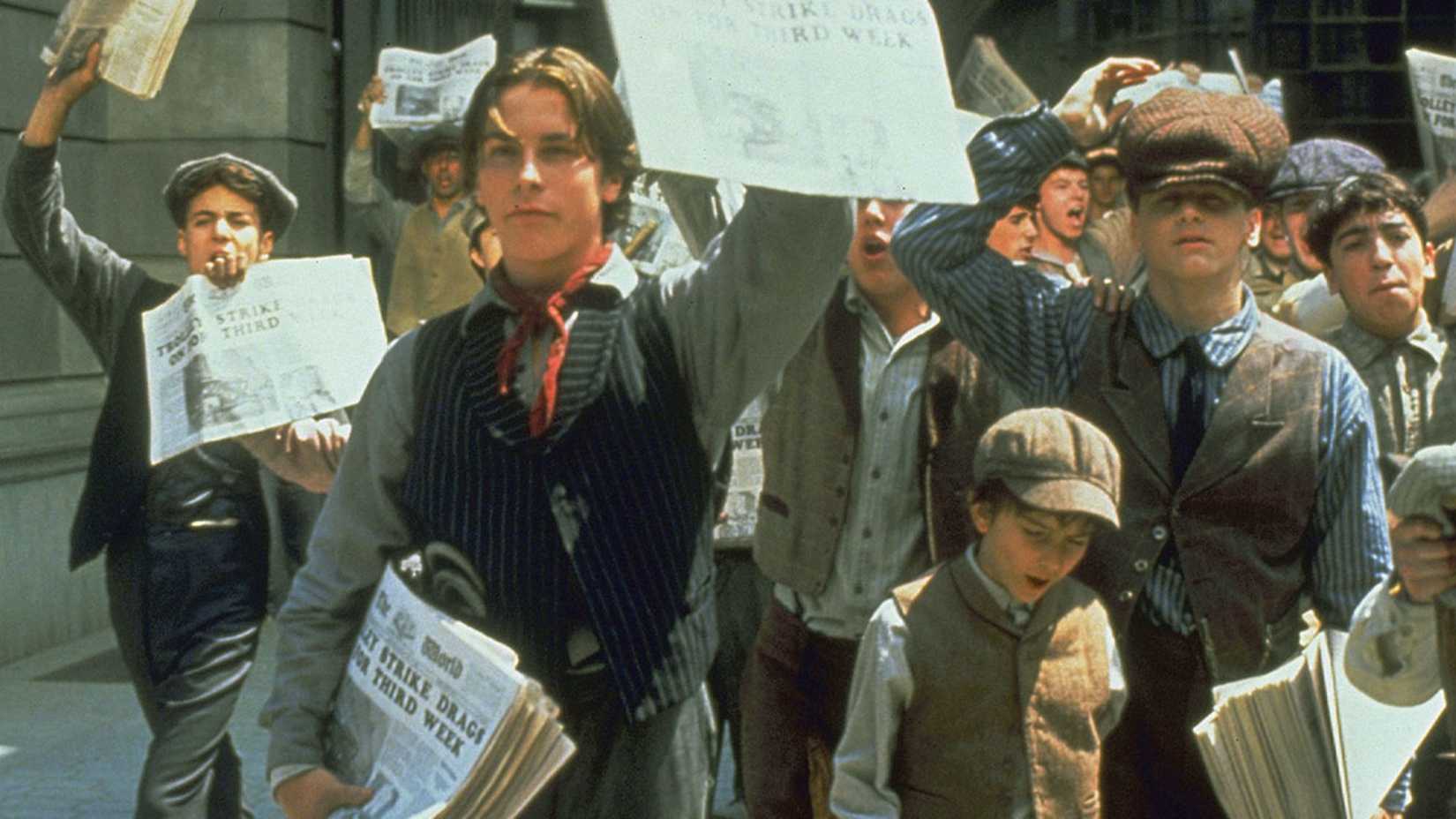
A Disney musical starring Christian Bale, featuring songs by Alan Menken, and directed by Kenny Ortega sounds like an obvious success in retrospect. Unfortunately, Newsies was anything but. The 1992 production cost approximately $15 million and earned a disastrous $2.8 million at the domestic box office, becoming one of Disney's most notorious theatrical disappointments of the decade.
Set during the New York City newsboys' strike of 1899, the film follows Jack Kelly (Bale), a charismatic young newspaper seller who helps organize a rebellion against powerful publishing executives. Its spirited musical numbers and elaborate dance sequences are infectious, although contemporary audiences apparently weren't interested in a historical musical about children selling newspapers.
Those who discovered Newsies on VHS and the Disney Channel felt differently. The movie gradually attracted an enthusiastic following, with its soundtrack becoming particularly beloved among young musical theater fans. Its remarkable second life eventually led to a successful Broadway adaptation, which opened in 2012 and won two Tony Awards. Few Disney flops have experienced such a spectacular reversal of fortune.
The Pagemaster (1994)

Macaulay Culkin was one of the biggest child stars in Hollywood when The Pagemaster arrived in November 1994. Unfortunately, his presence wasn't enough to rescue the ambitious family fantasy, which earned approximately $13.7 million theatrically against a reported production budget of roughly $27 million. Audiences who missed it in theaters would later discover one of the decade's more imaginative adventures.
Culkin plays Richard Tyler, an anxious young boy who takes shelter in a mysterious library during a storm. After a bizarre accident, he finds himself transformed into an animated character and transported into a literary world populated by talking books. Patrick Stewart, Whoopi Goldberg, and Frank Welker voice his unlikely companions, representing different genres of literature.
The combination of live action and animation remains particularly appealing, especially as Richard navigates increasingly dangerous fictional environments. Although the movie's storytelling can be uneven, its central idea is irresistible to children who grew up loving books. Among the fantasy movie worlds that reward exploration, a library where stories literally come alive has a charm all its own. The Pagemaster found an appreciative audience on home video, particularly among viewers who remember the comforting promise of escaping into a good book.
A Little Princess (1995)

Alfonso Cuarón would eventually become one of cinema's most acclaimed directors, but his first American feature struggled to find an audience. Released in 1995, A Little Princess earned approximately $10 million against a $17 million production budget. Its disappointing commercial performance is particularly surprising considering the considerable critical praise it received, including two Academy Award nominations for cinematography and art direction.
Adapted from Frances Hodgson Burnett's beloved novel, the film follows Sara Crewe (Liesel Matthews), a wealthy young girl whose privileged life collapses after her father is presumed dead during World War I. Forced into servitude at a New York boarding school, Sara maintains her dignity through storytelling and an extraordinary imagination.
Cuarón treats the material with remarkable visual sophistication, particularly during the elaborate fantasy sequences inspired by Sara's stories. Emmanuel Lubezki's cinematography gives the film a dreamlike beauty, while Matthews delivers an affecting performance without excessive sentimentality. Its message about compassion and self-worth resonates just as strongly with adults as children. A Little Princess deserved a considerably larger theatrical audience, but it eventually became a cherished favorite among families who discovered its considerable charms at home.
James And The Giant Peach (1996)


Roald Dahl's stories have always contained a wonderfully peculiar mixture of childhood fantasy and genuine menace. Henry Selick understood that balance when he directed James and the Giant Peach, combining live-action sequences with elaborate stop-motion animation. Unfortunately, the 1996 Disney production earned approximately $29 million in reported theatrical revenue against an estimated $38 million budget, making it a commercial disappointment despite positive reviews.
The story follows James (Paul Terry), a lonely boy living with his cruel aunts after the deaths of his parents. His fortunes change when a gigantic peach becomes home to an eccentric collection of talking insects, sending him on an extraordinary journey across the Atlantic. The animated characters are beautifully realized, particularly the wonderfully expressive Centipede and Miss Spider.
Selick's distinctive visual imagination gives the adaptation an atmosphere that more conventional animation would struggle to reproduce. The film is sometimes frightening, occasionally absurd, and ultimately very moving. Its unusual aesthetic may have limited its initial commercial appeal, but subsequent generations have embraced its handcrafted charm. Like the most memorable fantasy movies of the 20th century, James and the Giant Peach understands that the strangest imaginary worlds can make surprisingly convincing emotional sense.
The Iron Giant (1999)

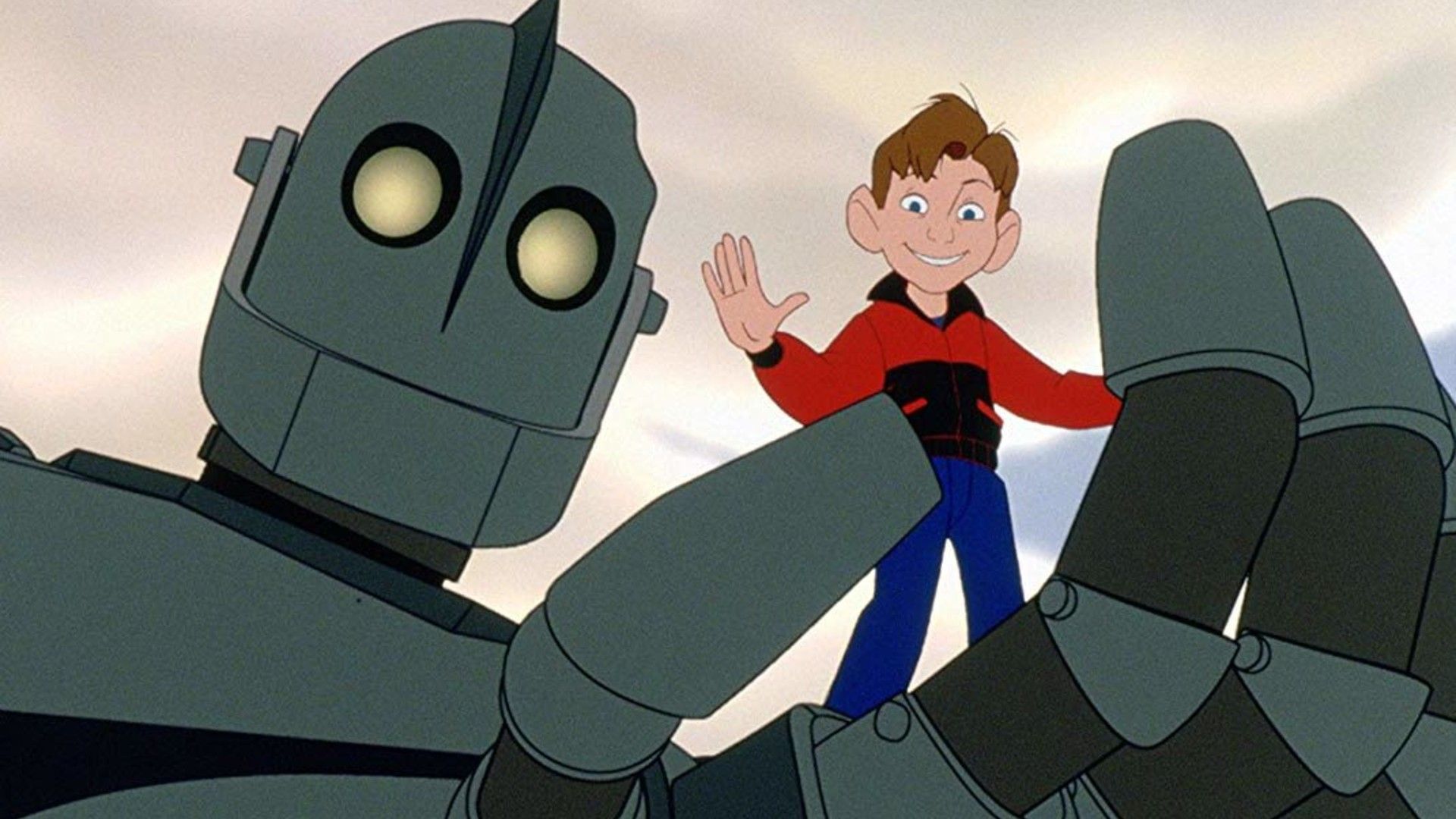
Of all the childhood classics that failed commercially during the 1990s, The Iron Giant may be the most difficult to explain. Brad Bird's animated directorial debut received widespread critical acclaim, yet Warner Bros. struggled to attract audiences. The film earned approximately $23 million domestically during its original release against a production budget commonly reported between $50 million and $70 million.
Set during the Cold War, the story follows Hogarth Hughes, a young boy who befriends an enormous extraterrestrial robot that has crash-landed near his Maine hometown. Their friendship develops against a backdrop of government paranoia, with the Iron Giant forced to confront the terrifying destructive potential of his own existence.
Bird's film is a remarkable achievement, combining beautiful traditional animation with sophisticated themes about identity and the choices that define us. Vin Diesel gives the Giant an unexpectedly moving voice performance, while the relationship between Hogarth and his unlikely companion forms the heart of the story.
Warner Bros.' marketing strategy has frequently been blamed for the film's disappointing theatrical performance, particularly given the enthusiastic response from critics. Fortunately, its home video release introduced the movie to a much larger audience, and its reputation continued to grow.
Today, The Iron Giant is widely regarded as one of the finest animated films of its era. Its extraordinary transformation from box office failure to childhood classic is especially fitting for a movie about a misunderstood outsider who turns out to be something remarkable. The film couldn't find its audience in theaters, but the generations that discovered it afterward have ensured it won't be forgotten.

- Release Date
- August 6, 1999
- Runtime
- 86 minutes
- Director
- Brad Bird
- Writers
- Tim McCanlies
- Producers
- Allison Abbate, Des McAnuff
-

Eli Marienthal
Hogarth Hughes (voice)
-

The Iron Giant (voice)
KioskNews shows a cleaned-up reading view extracted from the publisher’s page — the original always lives on their site, not ours.