Shabana Mahmood says police anti-racism commitment was ‘patently absurd’
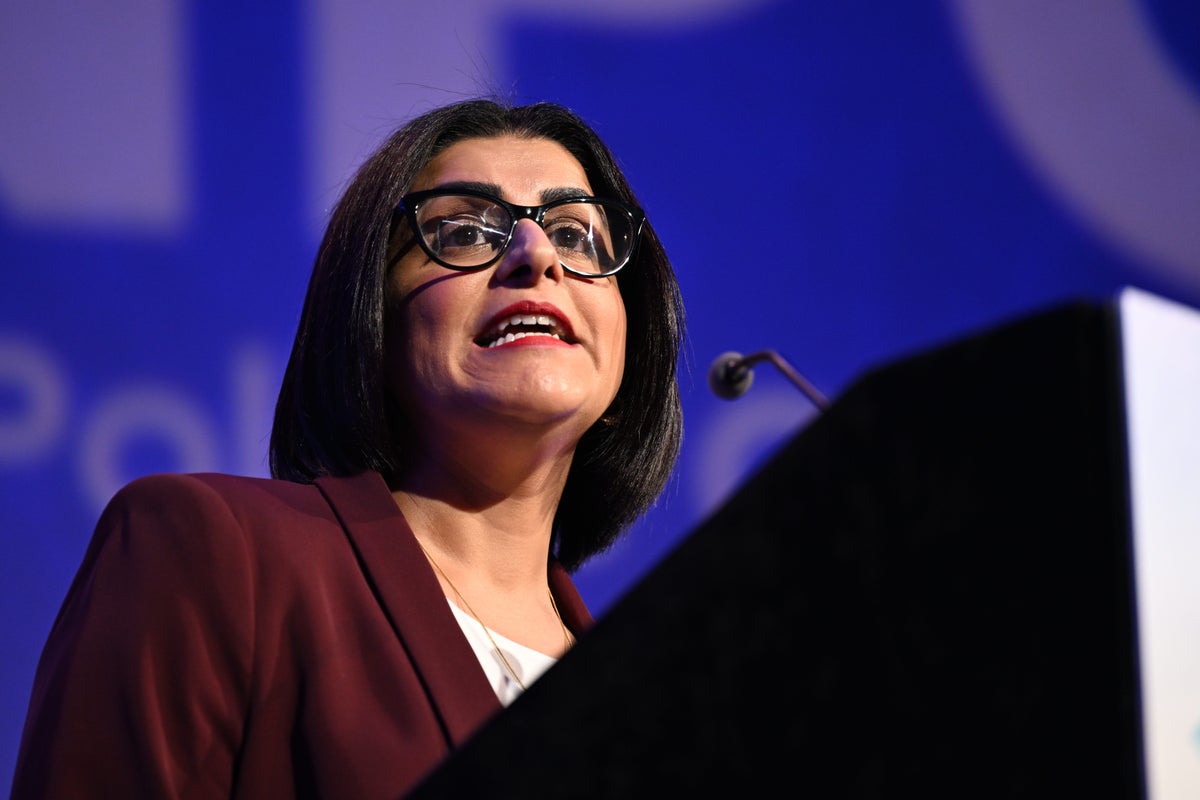
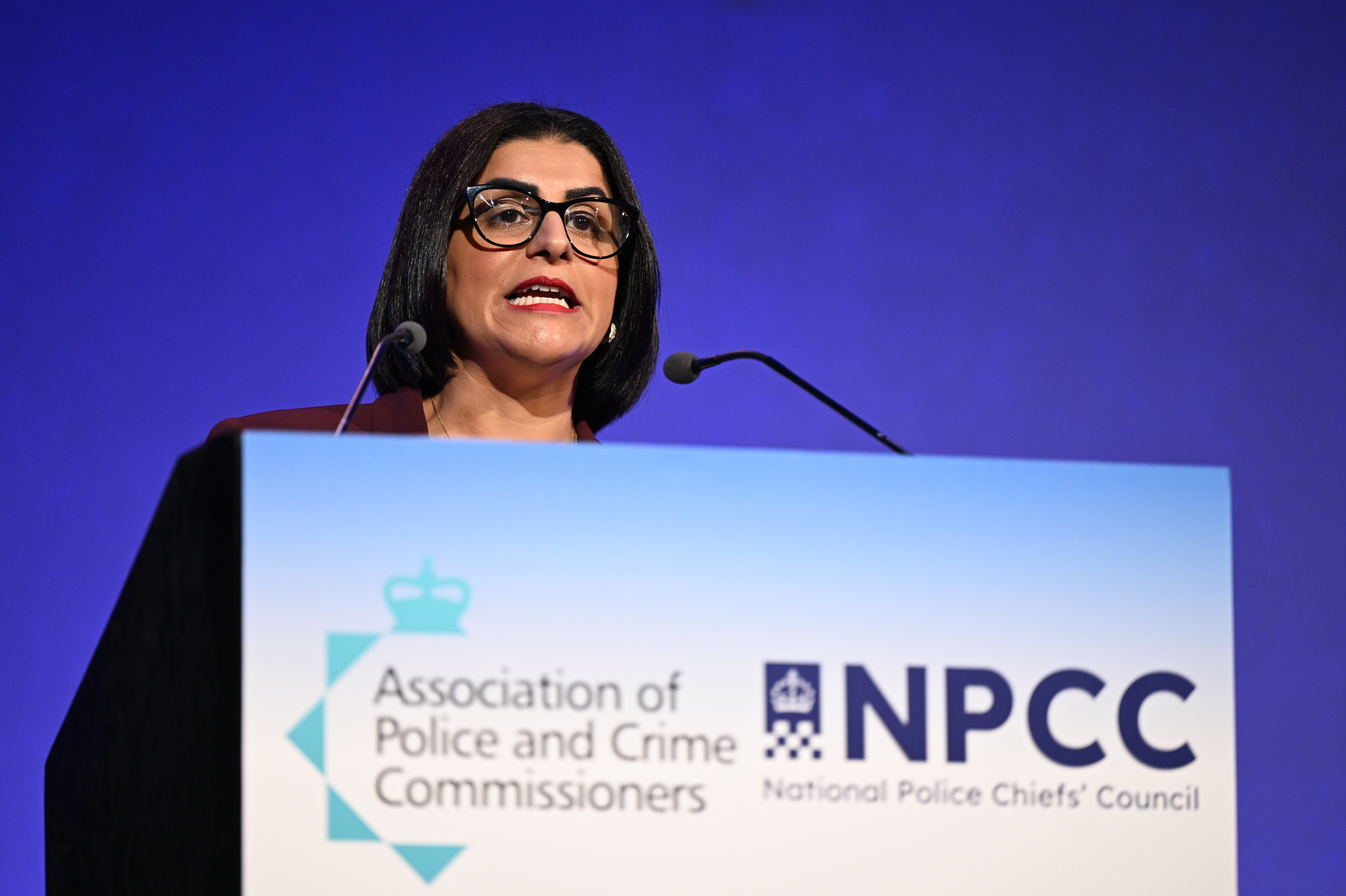
Shabana Mahmood has said the scrapped police anti-racism commitment was “patently absurd” as she revealed plans to bring in new impartiality standards for officers.
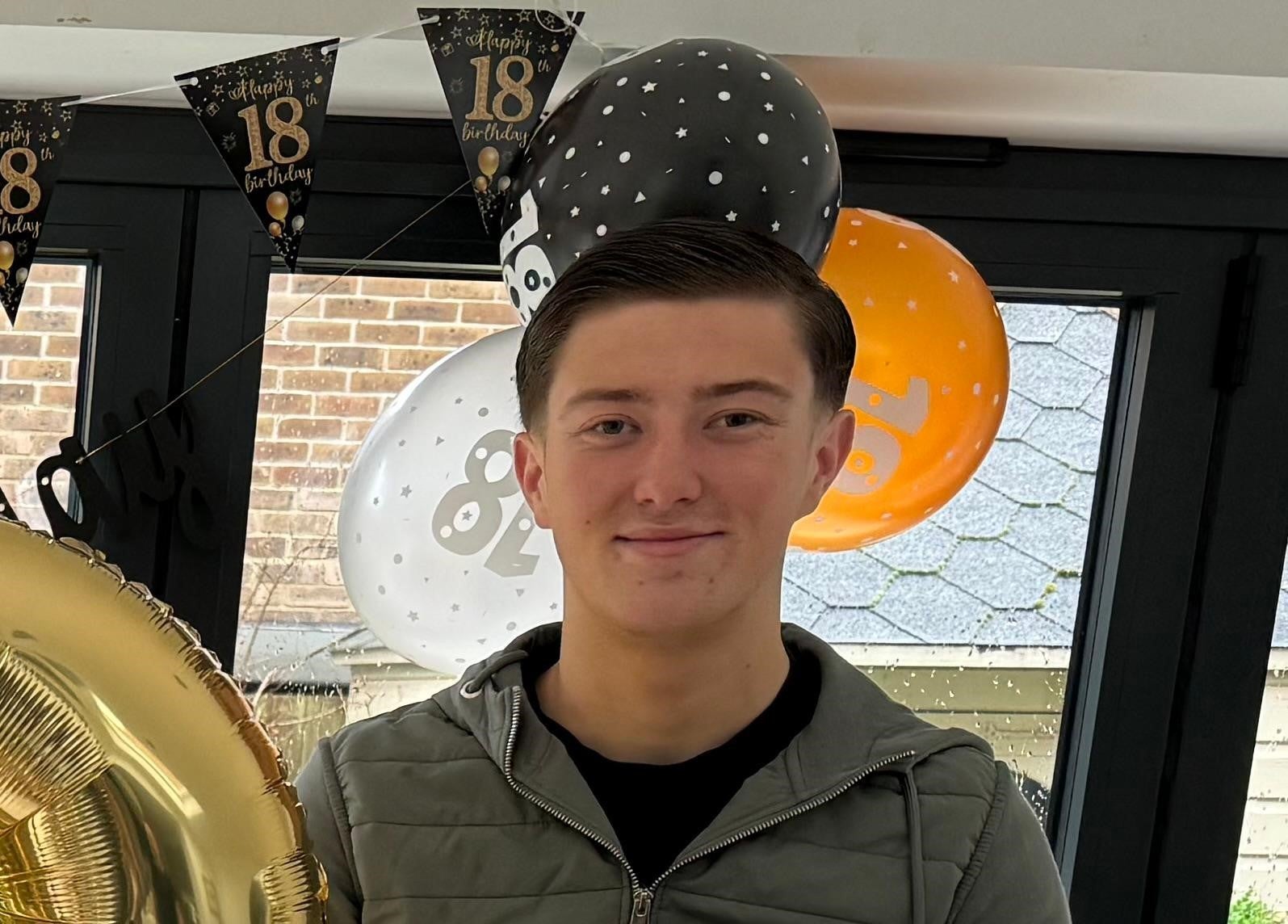
The home secretary described the anti-racism document as “misguided and distortive” and said it had helped to fuel accusations of two-tier policing in the wake of the murder of Henry Nowak, who was handcuffed as he lay dying after his killer falsely accused him of racist abuse.
In a speech at a major policing conference on Wednesday, she said: “It was patently absurd to tell police officers that fair policing ‘does not mean treating everyone the same’. So was the document’s guidance that officers should not be ‘colourblind’.
“I understand what the guidance was trying to achieve. But the result was a misguided and distortive document that put fire under the idea that this country pursues two-tier policing and so achieved precisely the opposite effect it intended.”
A third of Britons believe police treat people from ethnic minority backgrounds more favourably than white people, a More in Common poll found earlier this year.
She told chief constables a new “impartiality standard”, to be developed by the College of Policing and subject to consultation next year, will help to tackle the “corrosive” perception of two-tier policing.
She warned police to “leave the politics to the politicians”, adding that the new standard will also give officers guidance on wearing symbols on badges and lanyards and how to behave at community-led events. This includes officers not taking part in Pride marches, she confirmed.
However she insisted accusations of two-tier policing were “utter complete ridiculous rubbish”.
In a controversial video address this summer, Reform UK leader Nigel Farage claimed Hampshire Police’s treatment of Mr Nowak was evidence of a “two-tier culture” as he urged the public to respond with “pure, cold rage”.
Ms Mahmood told journalists at the event: “What Reform and others will have you believe is every single day officers go out and they practice a thing called two-tier policing.
“That is utter complete ridiculous rubbish. That is not what’s happening in our police forces.
“But there have been examples of differential treatment, and those have had an impact on confidence in policing, and they’ve allowed that false perception of two-tier policing to take hold.”
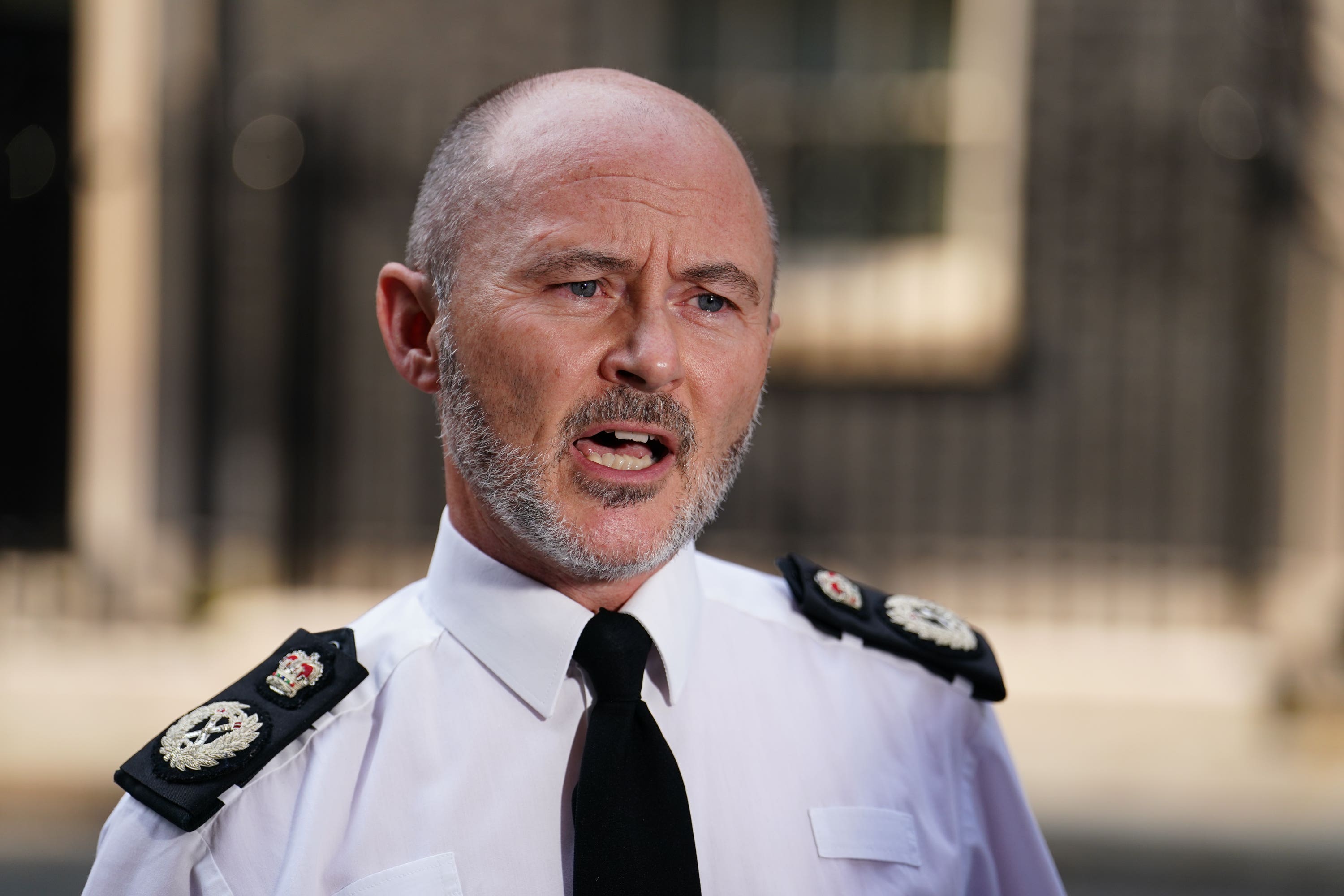
Responding to the announcement, chair of the National Police Chiefs’ Council, Gavin Stephens, said policing needs to be fair but called for “tolerance” from the public as officers respond to difficult situations.
“There’s a 999 call every two seconds, often with limited information, lots of different factors to weigh up, and that’s why we have discretion,” he said.
“And discretion means that two situations will be dealt (with) differently that on the face of it might be the same.
“But of course, what’s not in the public’s mind, or in the reporting, is the nuance of what’s going on.”
The home secretary also revealed her plans for policing in England and Wales to be restructured into about 200 local commands, as part of sweeping changes described as the biggest reforms to policing in 200 years.
Each around the size of a unitary authority, the local commands will be focussed on tackling neighbourhood crimes like burglary, vehicle theft, phone theft and antisocial behaviour.
However Ms Mahmood refused to reveal how many of the 43 forces in England and Wales could be scrapped or merged under her plans for a new three-layered policing system, made up of local commands, regional specialist police forces and a National Police Service.
Earlier this year, the government set out plans to radically overhaul the police service in England and Wales, creating a national service which operates like the British FBI as well as fewer, larger geographical forces.
The home secretary said root and branch reform is needed, noting the recent incident at RAF Fairford needed every on duty officer in Gloucestershire, while disorder in Gosport required officers to be drafted in from 13 forces.
A timetable for the changes will be set out once the Police Reform Bill has been laid in Parliament in the spring.
“We’re going to go slow and at the right pace because I don’t want to transfer operational responsibilities, for example, to the National Police Service until I know it’s fully ready, because I don’t want to see a drop-off in service,” she said.
“Public safety comes first, and I don’t want to do it too quickly, such that you see a drop-off in service for communities.”
KioskNews shows a cleaned-up reading view extracted from the publisher’s page — the original always lives on their site, not ours.